
Joining the Canadian Army
In the first volume of the Canadian army official history of the Second World War, Six Years of War, C.P. Stacey, the official Canadian Army historian, wrote about "The History of Private Jones," a fictional soldier based upon a serving member of the Canadian Army to give a personal look at what Canadian Army recruitment and training looked like during the Second World War.
The first few months of the Second World War saw a rapid expansion of the Canadian Army. On the 1st of September 1939 the Canadian Army was ordered to mobilize. Five days later the strength of the Canadian Active Service Force (CASF), the original name given to the overseas force, was 22,878. By the 24th of September the total had grown to 56,534, of whom 38,986 were in the CASF. Statistics for the whole month of September show a total of 58,337 taken into the CASF. It was the largest single month for enlistments of the whole war.
To join the overseas forces, one had to be placed in medical "Category 'A'" or "Fit for general service." This was defined as "Men perfectly fit, mentally and physically, for all active service conditions of actual warfare in any climate, who are able to march, can see to shoot, and hear well." Those placed in Category "B" could be accepted for units employed on the lines of communication, or in any unit for "sedentary work" or if they were "skilled tradesmen employed at their trades." The minimum height was five feet four inches and slightly taller for the artillery. Chest measurement was to be at least 34 inches.
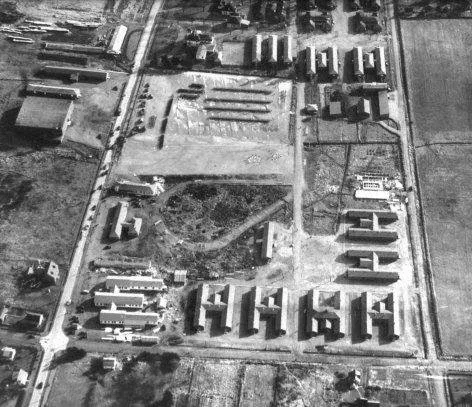
Training bases were built across the country to support the massive influx of new recruits.
Recruitment
Recruiting the Canadian Army
Despite the quick expansion of the Canadian Army in September 1939, recruitment was soon constrained. This was the result of the unofficial policy known as limited liability, in which Canada would not send a large land force to fight in Europe like it did in the First World War. Because of this policy, recruitment was slowed down in late September. On the 24th, an order went out deferring immediately all recruiting except for infantry and machine-gun units of the 1st and 2nd Divisions. On the 11th of October, recruiting stopped for the units of the 2nd Division. Additionally, in November 1939, the minimum age for enlistment was raised from 18 to 19 years.
Some rules to constrict recruitment were eased during this time. The requirement that recruits be British subjects was abandoned on the 13th of December 1939. Foreign nationals, other than those from enemy countries, who had been resident in Canada on the 1st of September 1939 were eligible to enlist. The residence qualification was dropped altogether in October 1940.
By the spring of 1940, limited liability had ended as the situation had changed. With the German conquest of France and the Low Countries, Canada yet again increased the size of its army. More divisions were raised in Canada and more people joined the Canadian Army. Conscription for overseas service was also introduced under the National Resources Mobilization Act (NRMA). In June 1940, the general physical requirements for enlistment were lowered. The minimum height was lowered to five feet and the minimum chest measurement was now 32 inches.
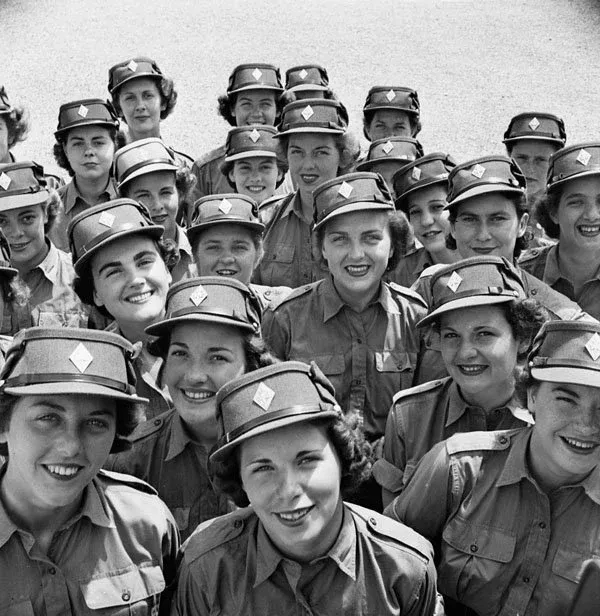
There was a large increase in the strength of the mobilized force, going from 76,678 all ranks on the 31st of March 1940 to 177,810 on the 29th of December 1940. During 1942 more men and women were enlisted into the Canadian Army than in any other year of the war. General Service enlistments rose to 130,438, which included 7,463 in the Canadian Women's Army Corps and individuals who were conscripted and chose to join the overseas service.
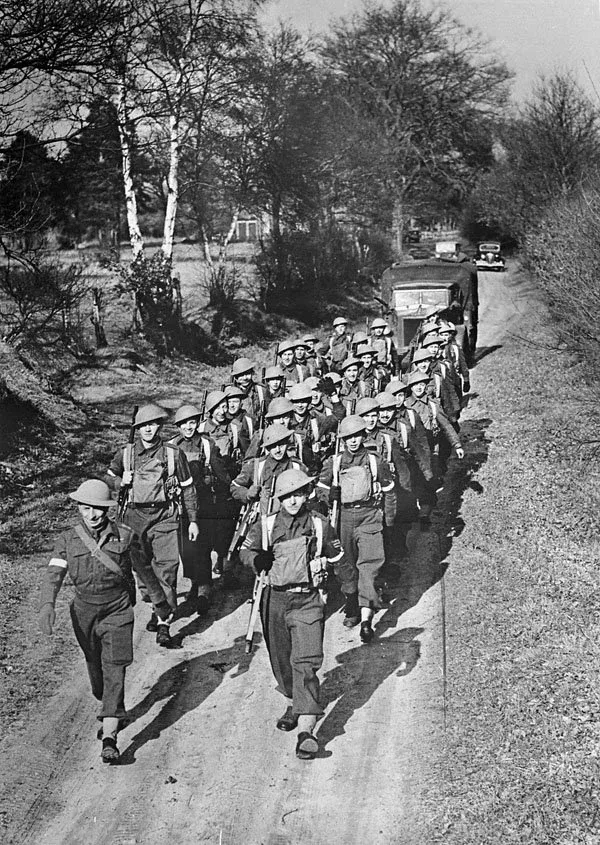
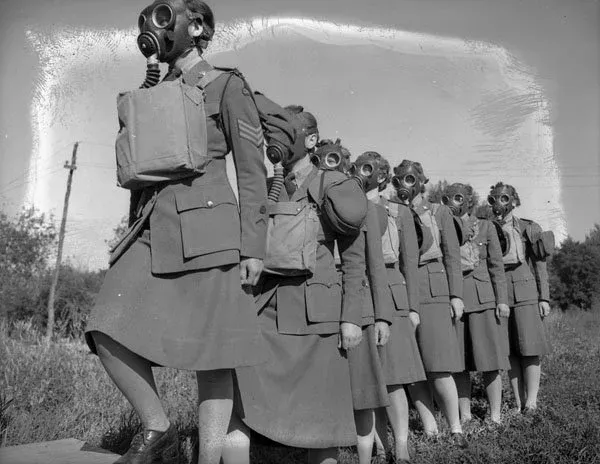
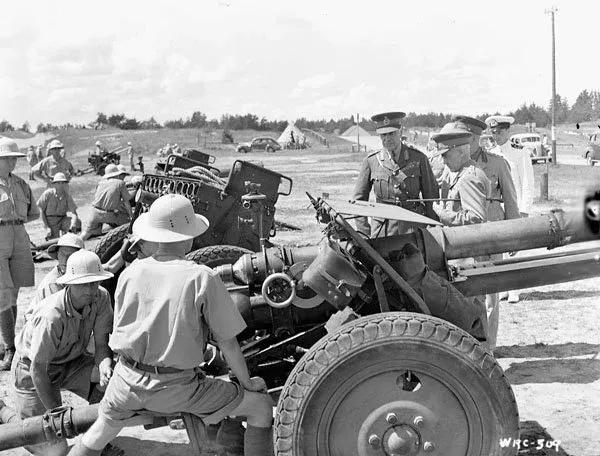
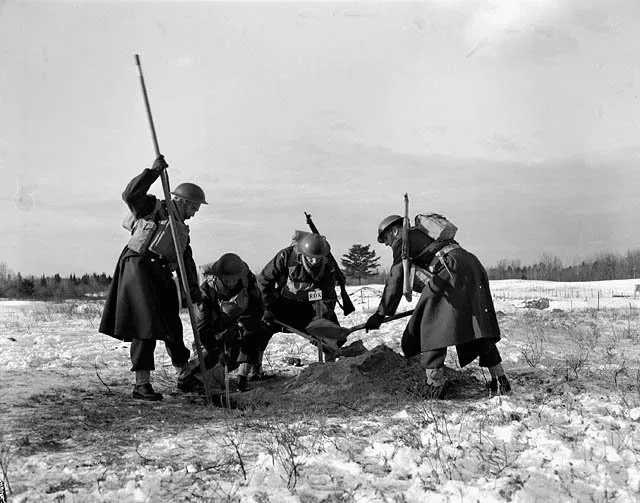
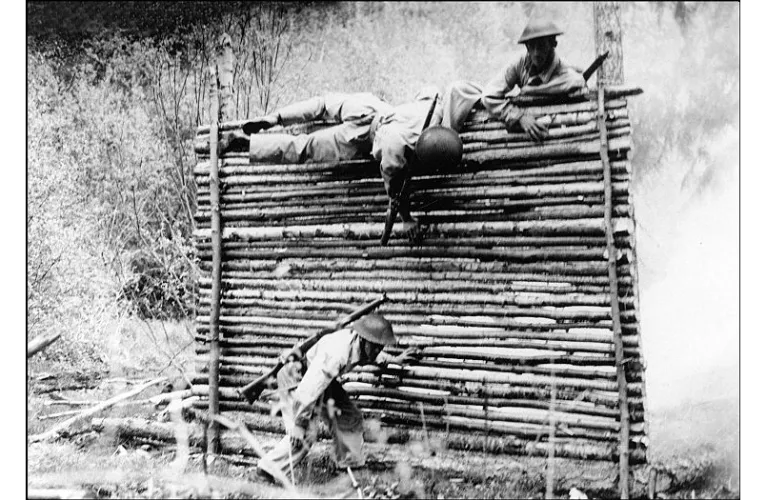
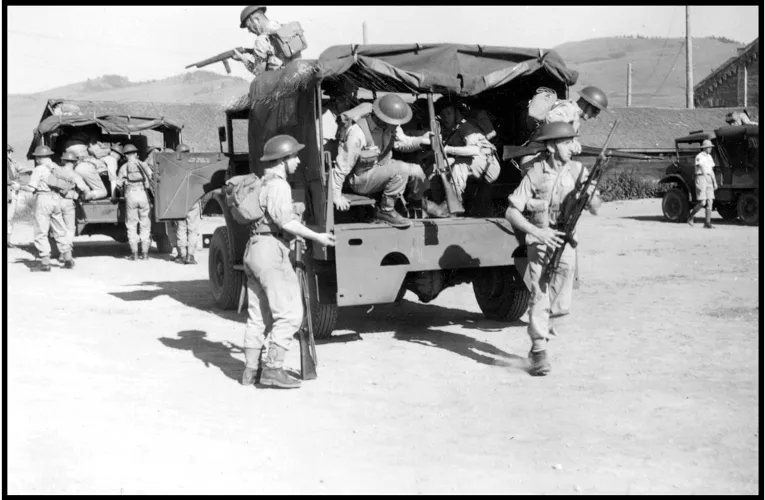
More than 1.2 Million Canadians served in the Canadian Army in the Second World War
This section features an interactive Sankey diagram exploring recruitment across the provinces between the Army, Navy and Air Force. See the interactive data visualization on the live web map.
Training
Basic Training to Combat
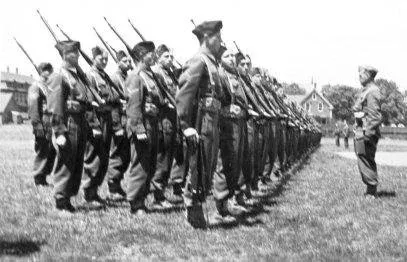
Much of the early training done by the units took place at armouries as they were spread around the country in large cities and small towns. All Canadian soldiers in the early years of the Second World War began their training with a stint at a Basic Training Centre. During this "common-to-all-arms" training, discipline was instilled with close-order drill, uniform inspections, and lectures on the fundamentals of military life. The basics of how to use weapons and equipment were also taught at this point.
After basic training, a recruit was sent to advanced training specific to their arm of the army. This step included more specialized weapons training and more complicated tasks specific to their trade, including working as part of a team to capture objectives and engaging an enemy force.
Some soldiers were selected for further specialized training in a specific role. This training was highly particular to the task at hand. Once this training was completed, the soldier would be given their assignment and waited to join their unit. This could sometimes take several weeks. Those in the active force would most likely be sent overseas to fight in Europe. Training only went so far — combat was the ultimate test of the infantry.
The Private Jones Story Map
The Private Jones story map explores an average soldier's journey through the Canadian Army training system in 1942.