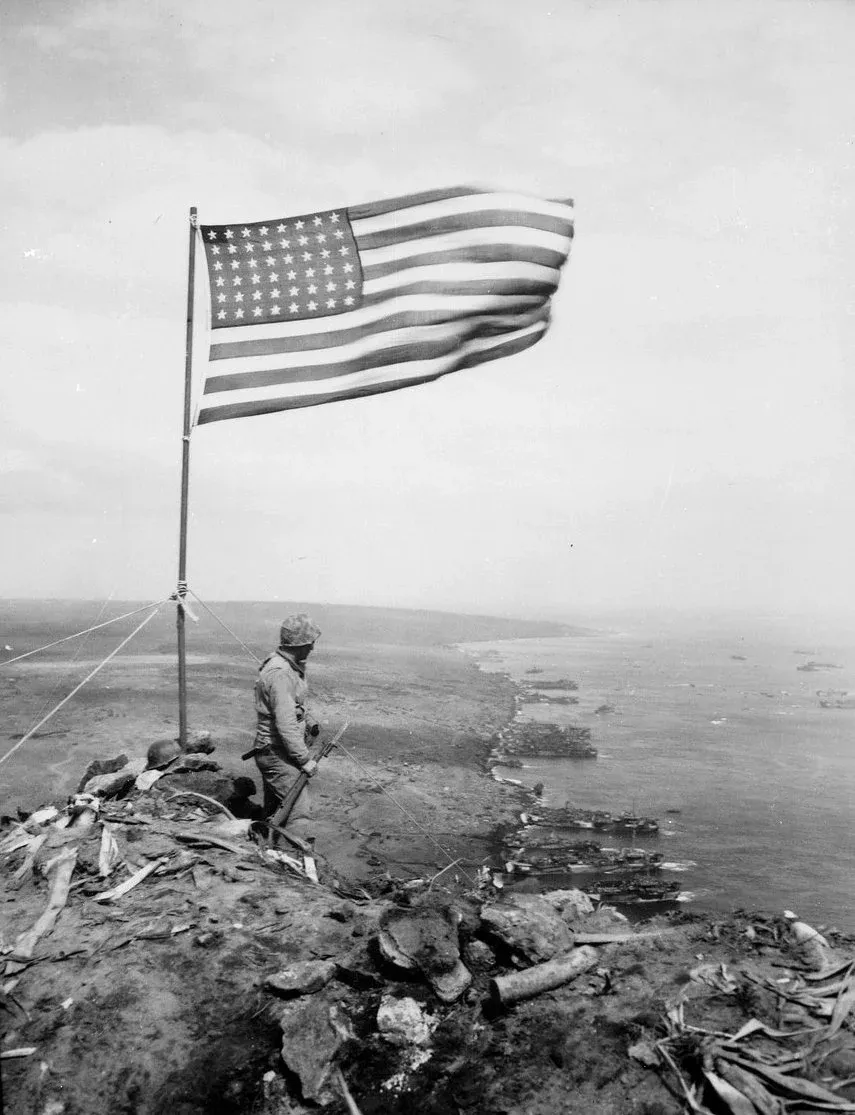
19 February – 26 March 1945

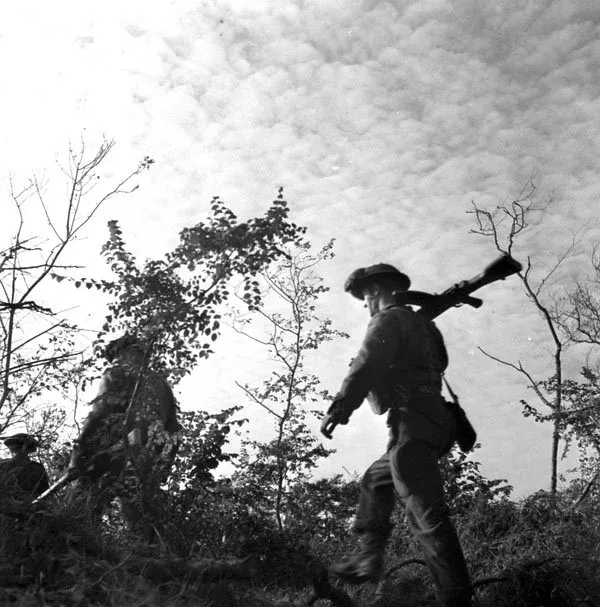
Battle of Iwo Jima

February – March 1945

The Battle of Iwo Jima was a major conflict in World War II fought between the United States and Japan from February to March 1945. The United States suffered more than 26,000 casualties securing the strategically vital island, 750 miles south of Tokyo.

Explore project →
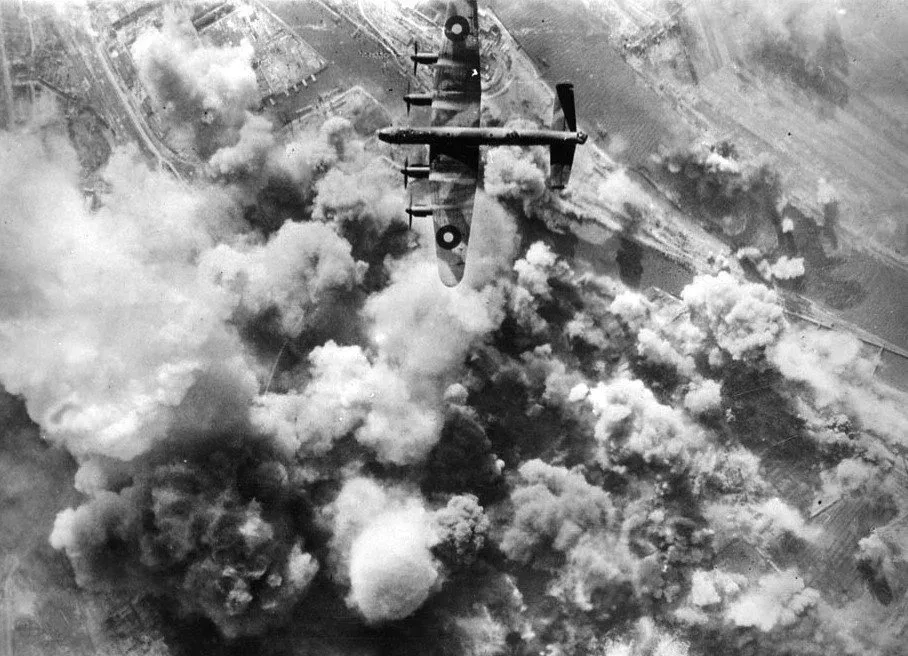
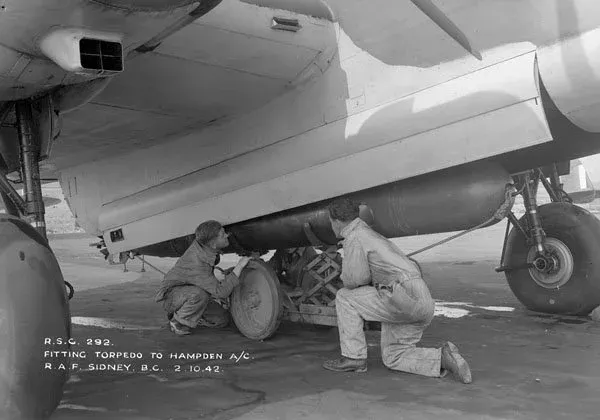
Bomber Command

No. 6 Group

The story of Canadian airmen in RAF Bomber Command during the Second World War, including nearly one-third of all personnel and 15 dedicated squadrons of No. 6 Group, and the sacrifice of approximately 10,000 Canadian airmen.

Explore project →

1940–1945

British Commonwealth Air Training Plan

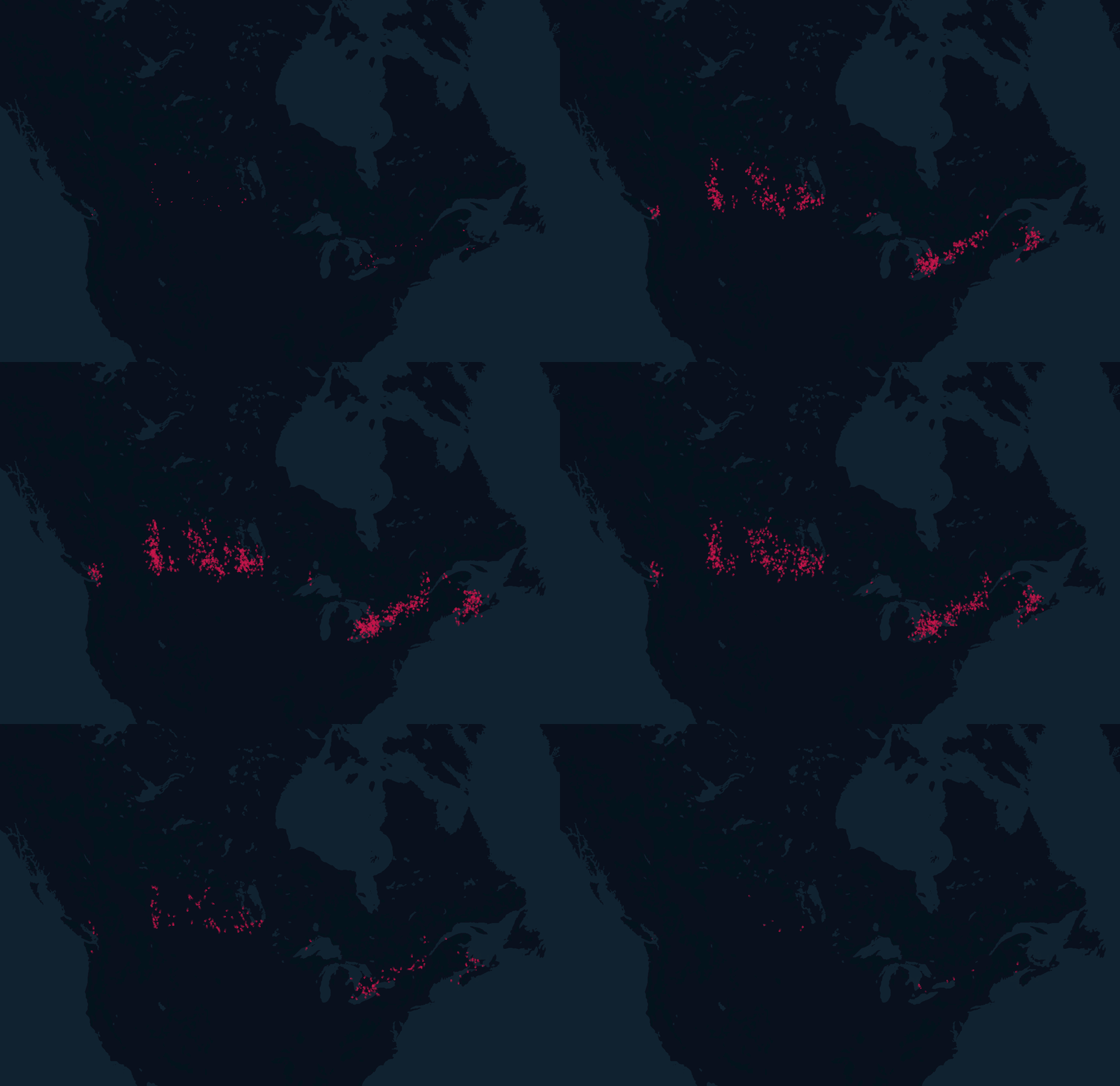
Canada — The Aerodrome of Democracy

The British Commonwealth Air Training Plan (BCATP) was Canada's greatest contribution to the Allied air war. Between 1940 and 1945, over 130,000 aircrew from across the Commonwealth and occupied Europe trained at more than 100 schools across Canada.

Explore project →

1939–1945

Canada's Homefront

How the War Came Home to Canada

Hundreds of thousands of Canadians took part in the Second World War without ever leaving Canada — supporting war industries and the defence of the country. Explore seven key aspects of the war at home, from the defence of Canada to the internment of Japanese Canadians.

Explore project →

1939–1945

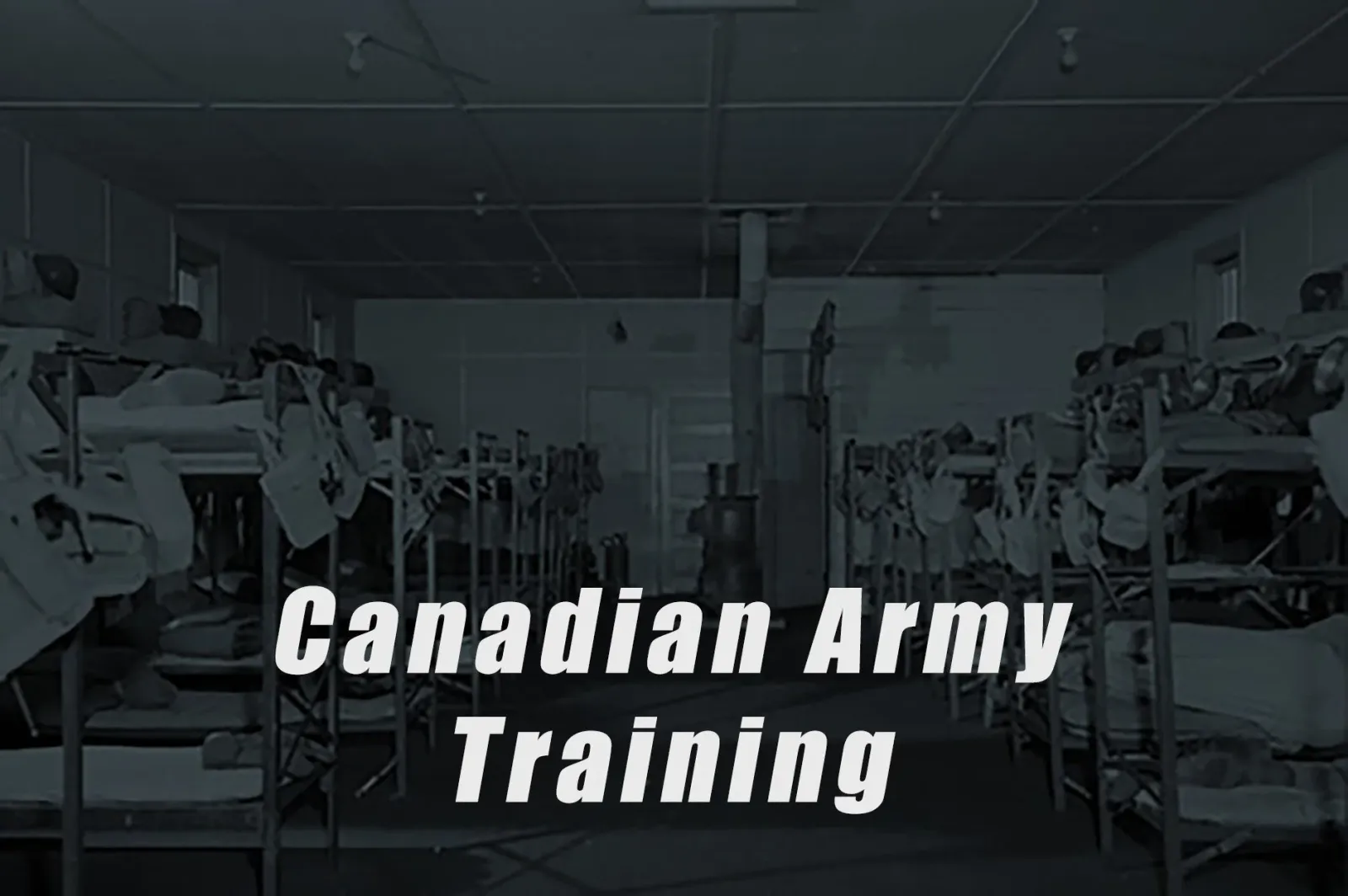
Canadian Army Recruitment and Training

From Civilian to Soldier — 1939–1945

Following Private Jones through the Canadian Army's recruitment and training system in the Second World War — from the rapid mobilization of September 1939 through basic and advanced training across Canada to the front lines in Europe.

Explore project →

December 8–25, 1941

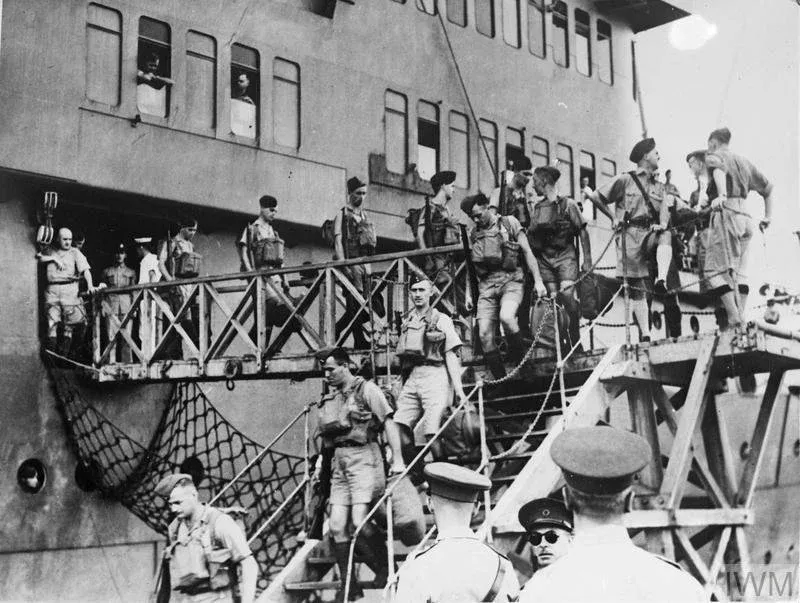
Fall of Hong Kong

The Battle of Hong Kong — December 1941

The story of Canadian troops sent to defend Hong Kong in 1941 — the battle, the surrender, and nearly four years of brutal captivity.

Explore project →

24 February 1942

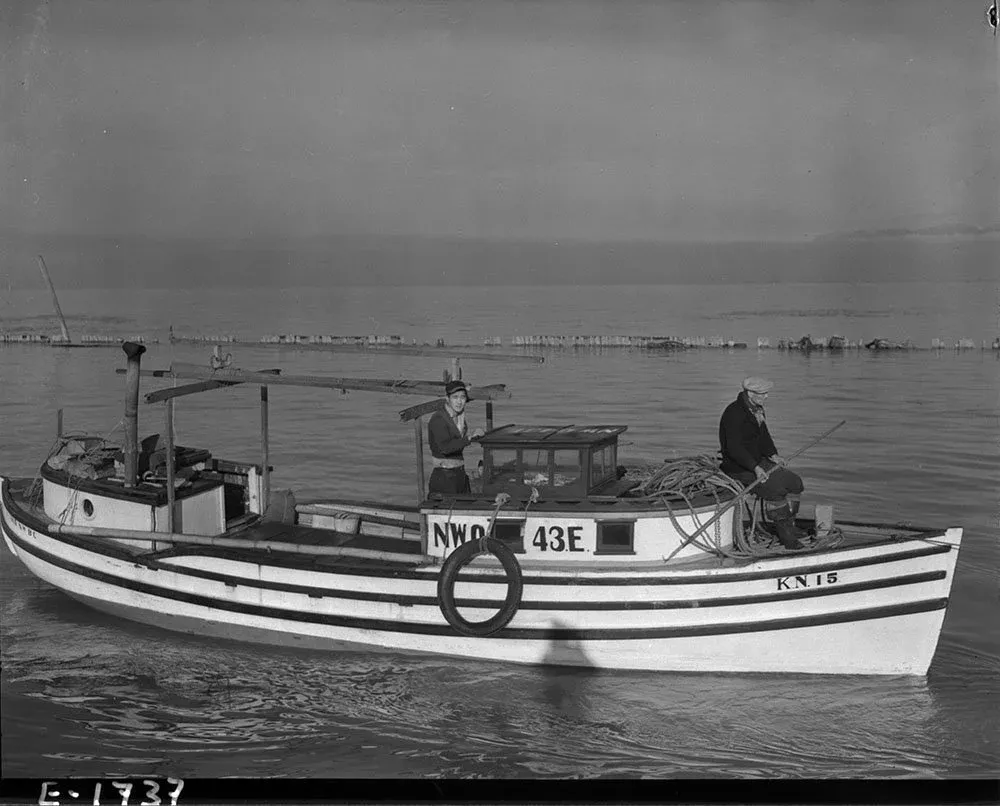
Japanese-Canadian Internment

Relocation, Dispossession and Internment 1942–1949

During the Second World War, 21,000 people of Japanese ancestry — the majority born in Canada or British subjects — were dispossessed, relocated, and interned by the Canadian government in a reactionary policy with no basis in fact.

Explore project →

1939–1945

Maritime Defence of Canada

The Royal Canadian Navy and the Defence of Canada's Coasts — 1939–1945

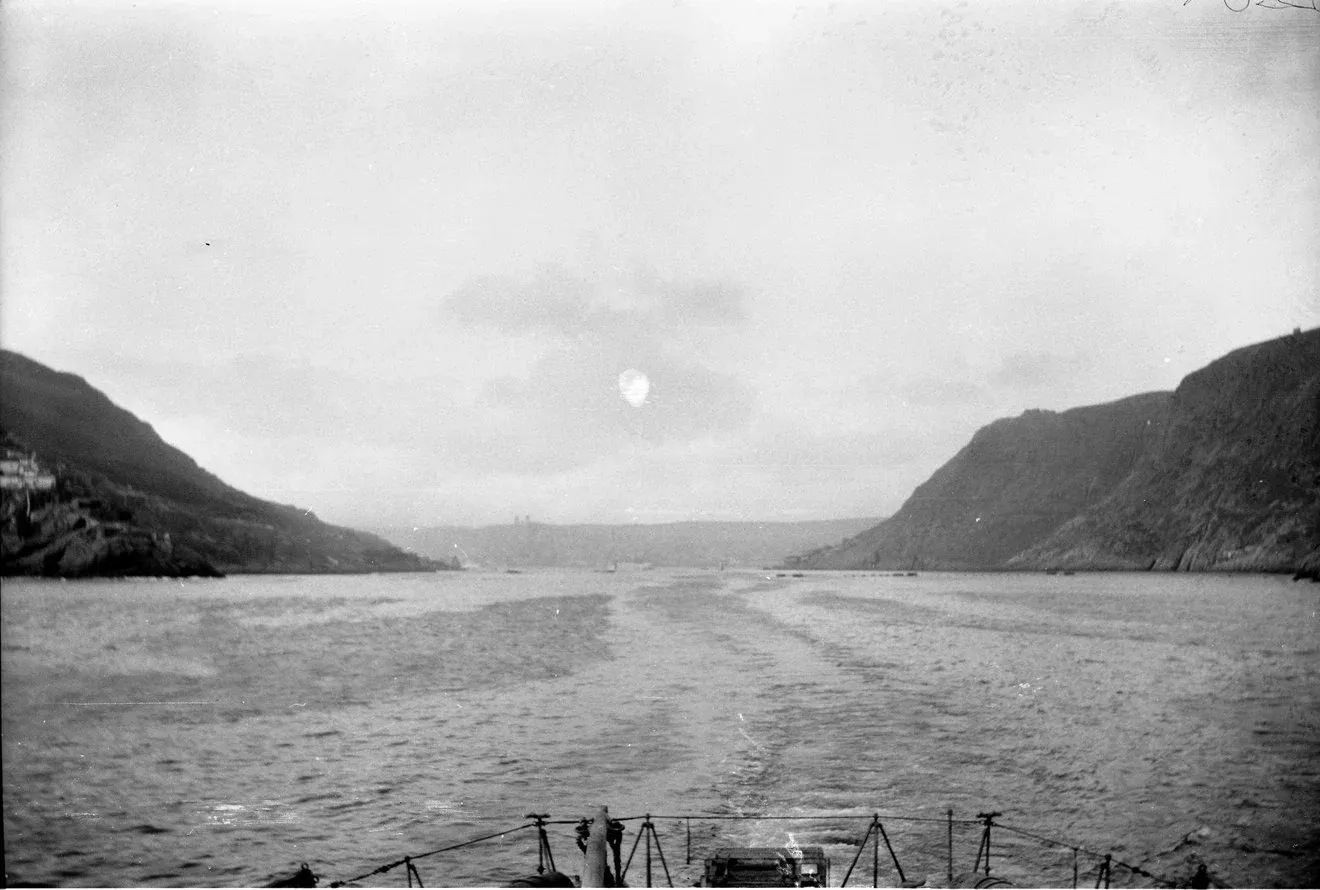
Canada's maritime defence during the Second World War was a multi-level sea, land, and air effort involving the Royal Canadian Navy, Canadian Army, RCAF, and Department of Transport — protecting the convoy routes that kept Britain supplied.

Explore project →

1940–1945

Northwest Staging Route

Defending Alaska — The Alaska Highway and the Lend-Lease Air Route to the Soviet Union

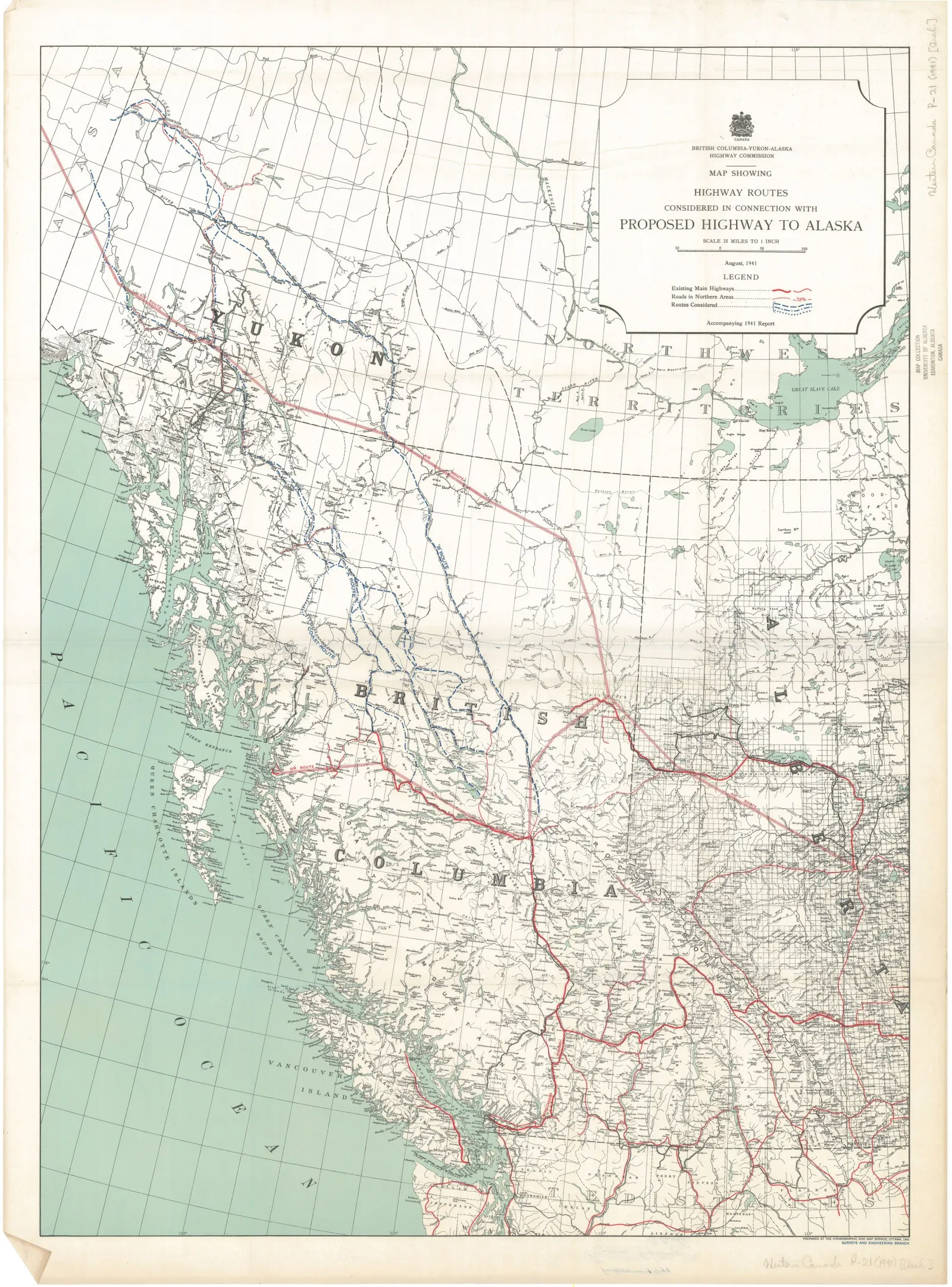
The Northwest Staging Route was a chain of airfields connecting Great Falls, Montana to Fairbanks, Alaska, used to ferry nearly 8,000 Lend-Lease aircraft to the Soviet Union. Its construction, alongside the Alaska Highway, was one of Canada's most ambitious wartime infrastructure projects.

Explore project →

15 August 1943

Operation Cottage: Invasion of Kiska Island

15 August 1943

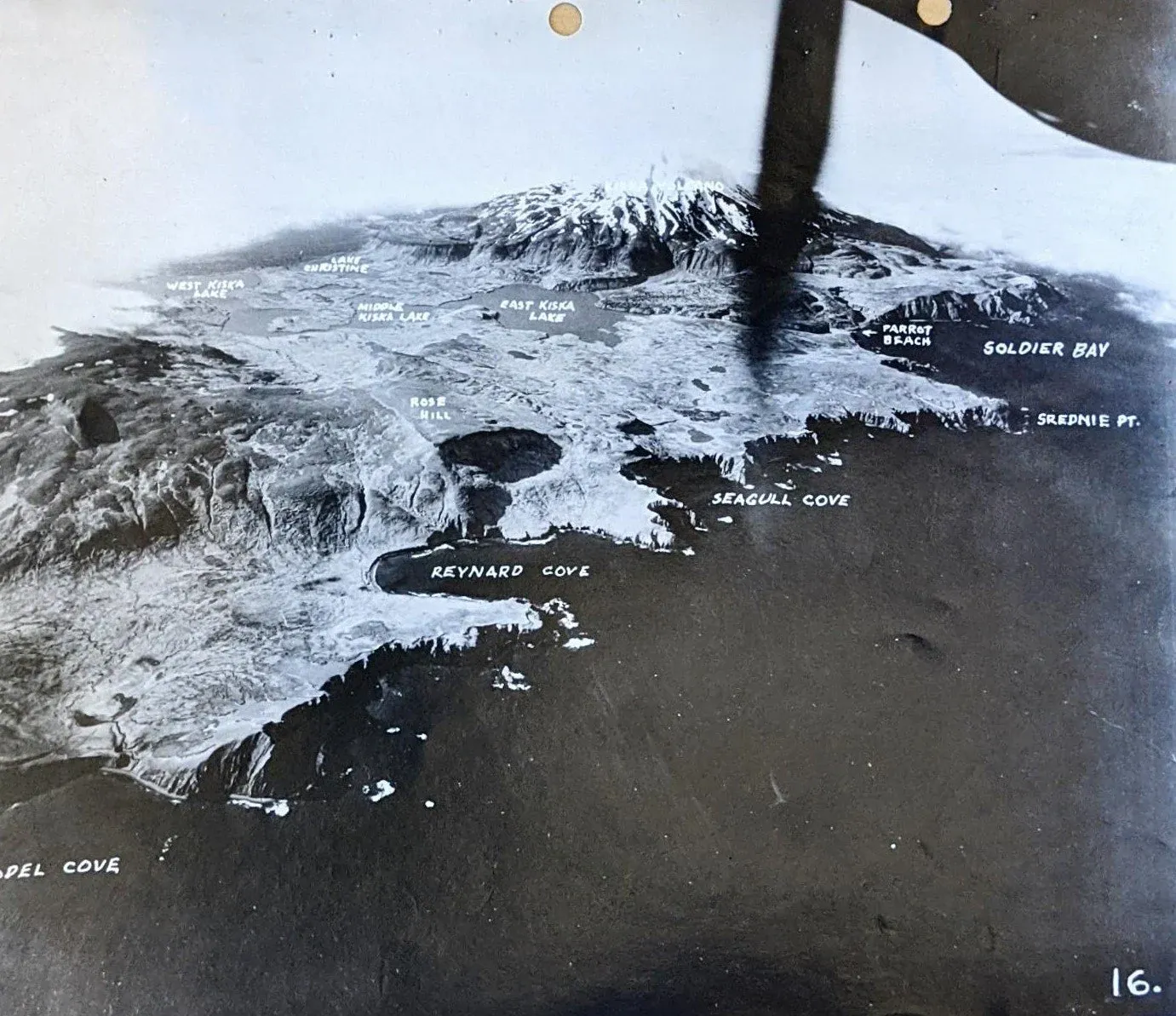
The story of Operation Cottage — Canada's little-discussed and strangest operation of the Second World War, the invasion of Kiska Island in the Aleutians, where 5,300 Canadian troops landed only to find the Japanese had secretly evacuated.

Explore project →

19 August 1942

Operation Jubilee: Raid at Dieppe

19 August 1942

The story of Operation Jubilee — the Allied amphibious raid on Dieppe on 19 August 1942, involving more than 6,000 soldiers, predominantly from the 2nd Canadian Infantry Division, and the largest single-day air battle of the war.

Explore project →

17–22 September 1944

Operation Wellhit

The Capture of Boulogne — 17–22 September 1944

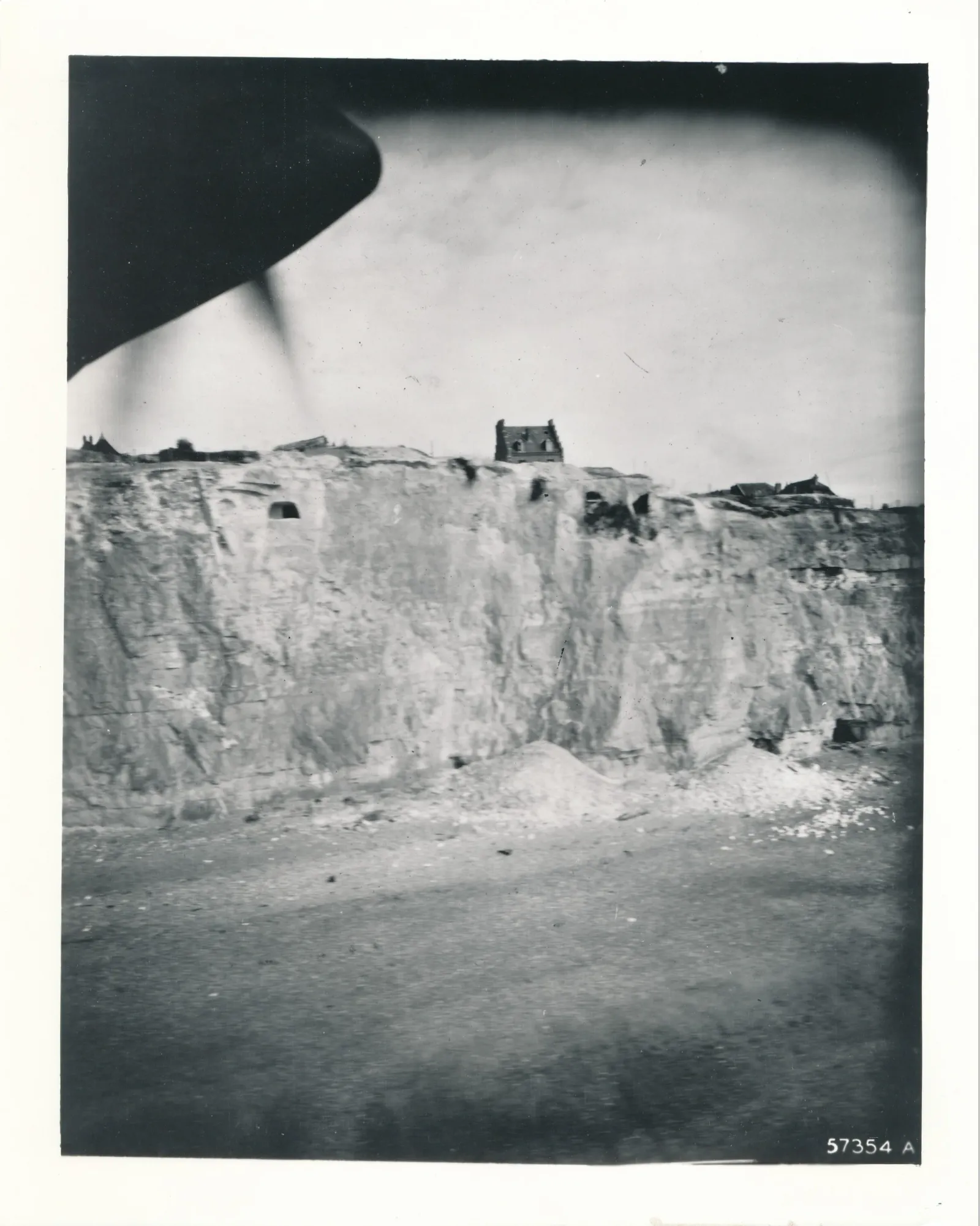
Operation Wellhit was the 3rd Canadian Infantry Division's assault on the heavily fortified port of Boulogne-sur-Mer in September 1944. Over six days of intense fighting, the Canadians captured 9,517 German prisoners at a cost of 634 casualties.

Explore project →

1939–1945

RCAF Operations in Canada

The Home War Establishment — Eastern and Western Air Command

During the Second World War, 51 RCAF squadrons served in North America defending Canada's coasts and airspace. This is the story of the Home War Establishment — Eastern Air Command on the Atlantic and Western Air Command on the Pacific.

Explore project →

1939–1945

War Production

Canada — Arsenal of Democracy

Canada's transformation from a Depression-era economy into one of the great arsenals of the Allied war effort. By the end of the war Canada had produced millions of shells, thousands of aircraft, hundreds of warships, and hundreds of thousands of trucks — more than Germany, Italy, and Japan combined.

Explore project →

1939–1945

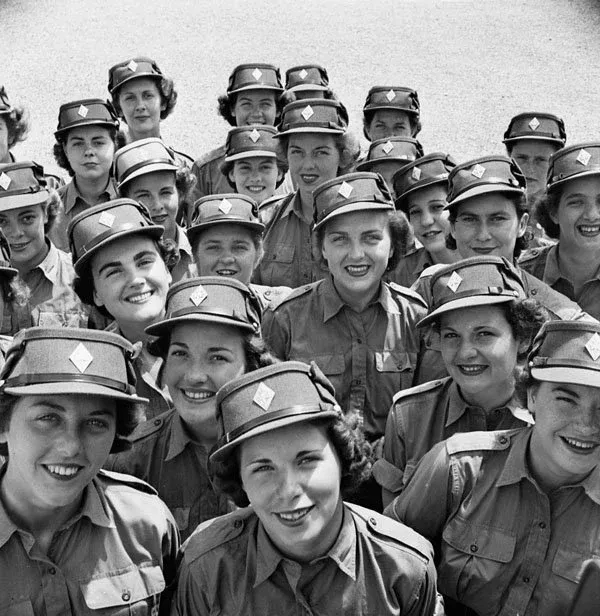
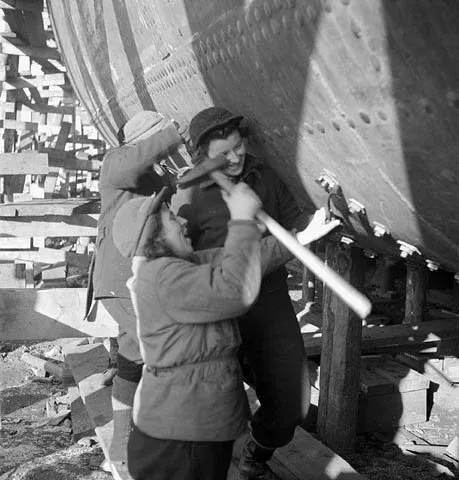
Women in the Workforce

Canada's Women and the Second World War — Total War on the Home Front

Canadian involvement in the Second World War is defined as 'total war.' This is the story of how Canadian women contributed to the war effort — from factory floors and shipyards to volunteering and the armed forces — and the limits placed on those contributions by race, class, and gender.

Explore project →