
Visit our web map exploring the Raid at Dieppe
What was Operation Jubilee?
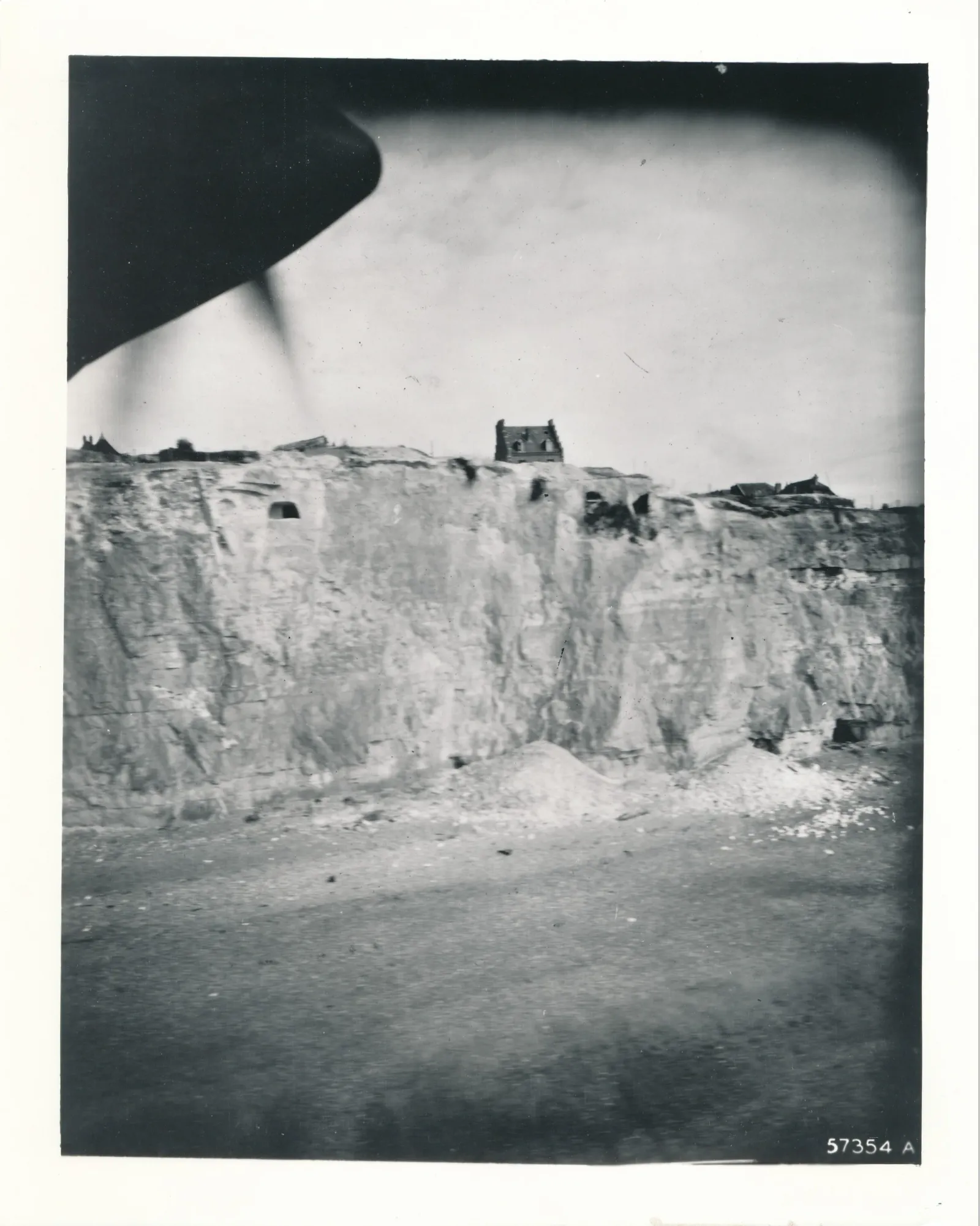
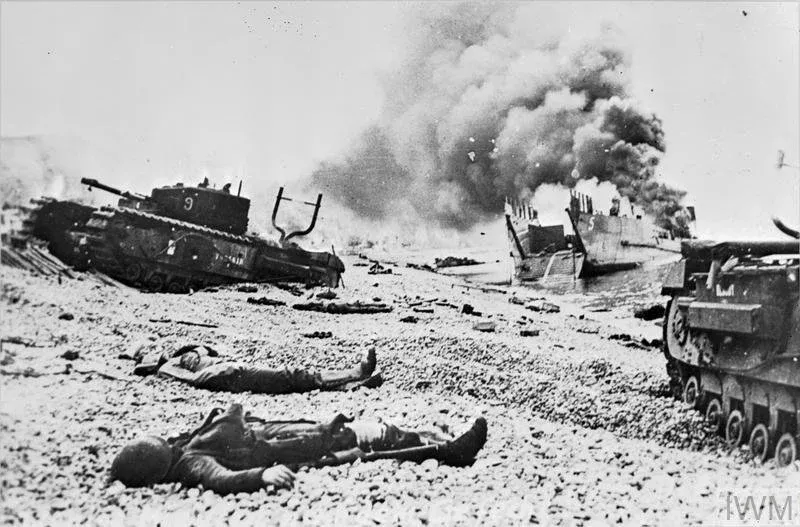
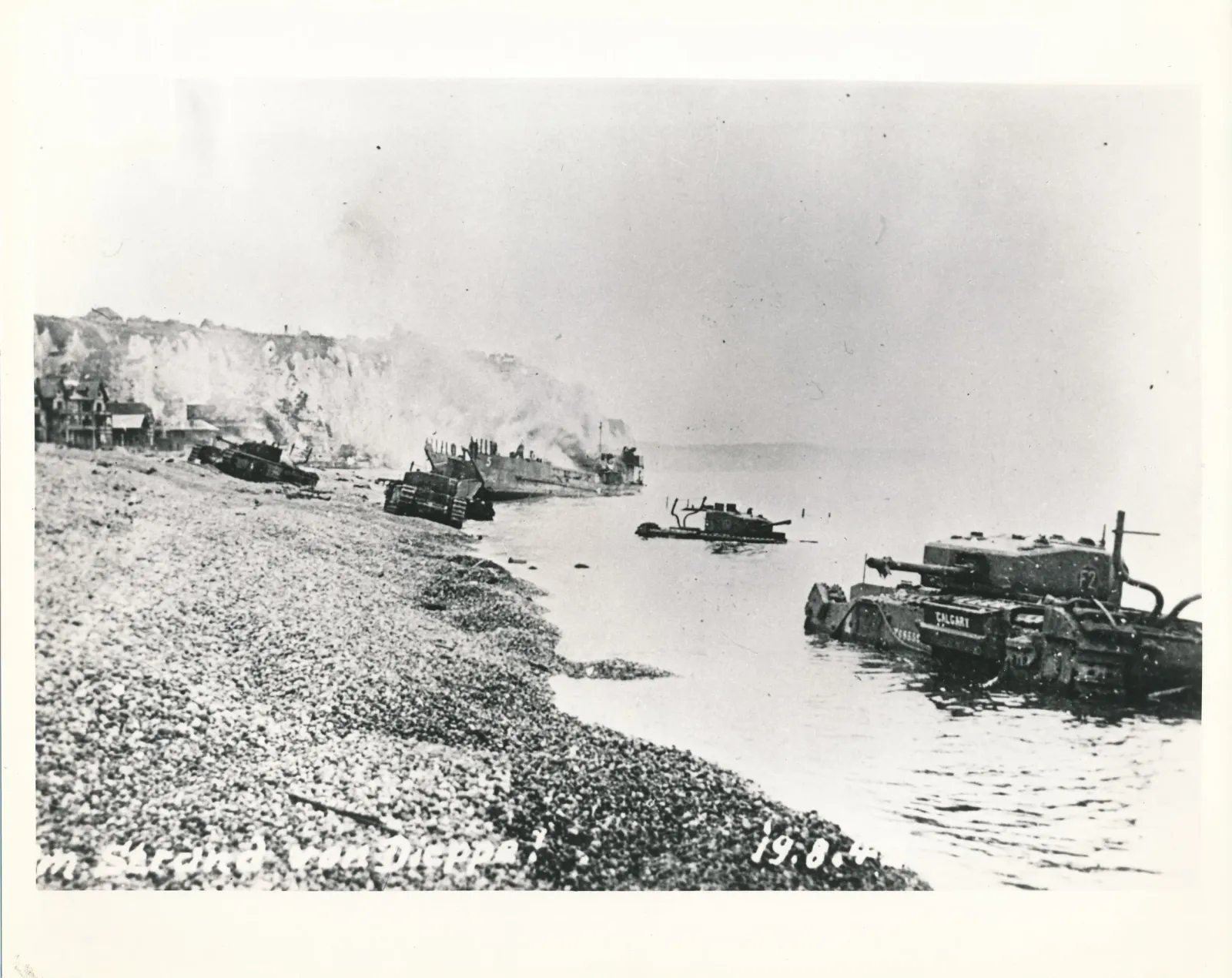
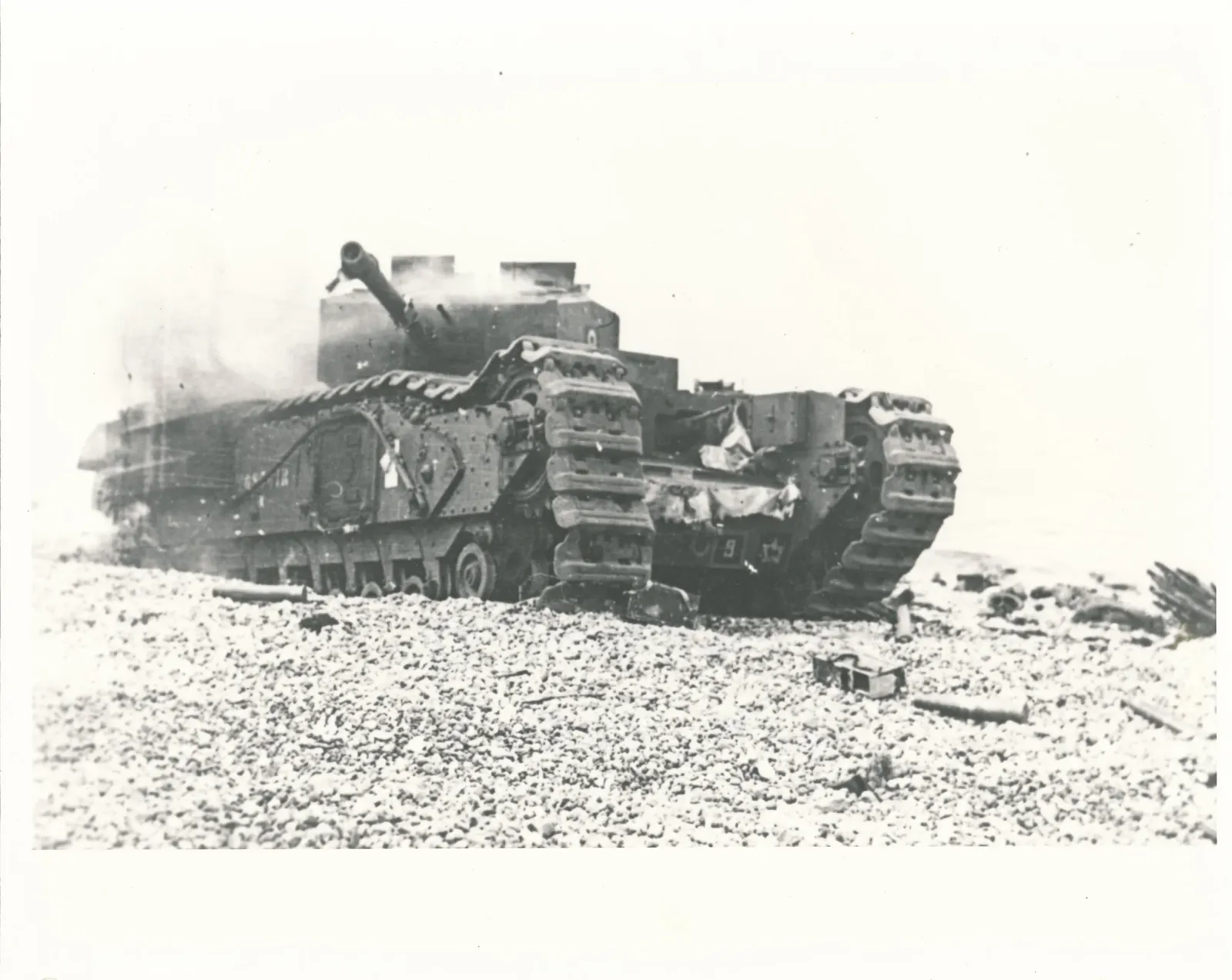
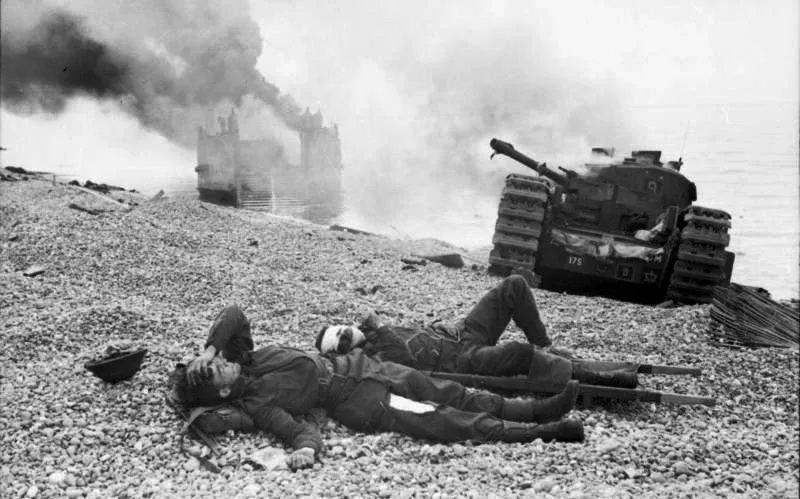
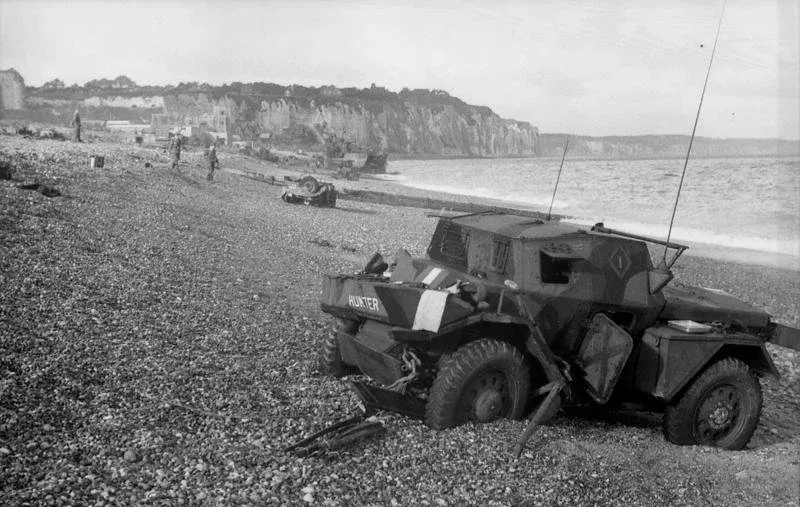
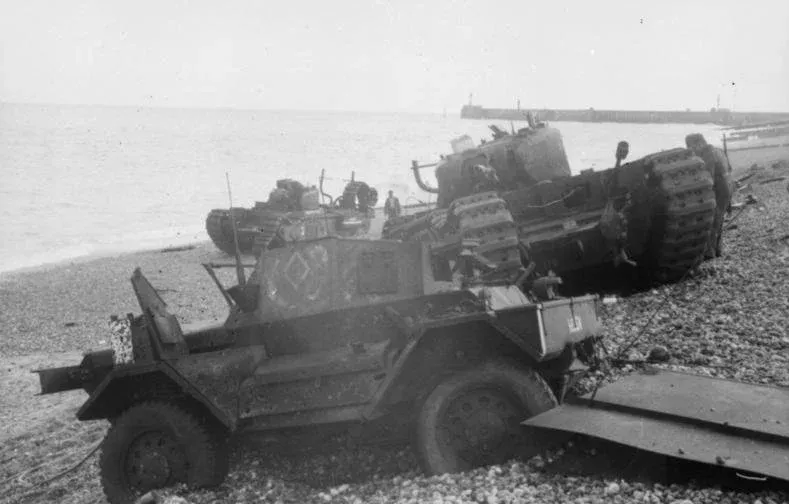
Operation Jubilee was an Allied amphibious operation to raid a major port on the French coast. The objective was to take and hold the town of Dieppe. The operation saw more than 6,000 soldiers land early in the morning on the 19th of August 1942. Most of the soldiers were from the 2nd Canadian Infantry Division led by Major General John Hamilton Roberts from his command ship the HMS Calpe. The main assault was supported by the 14th Canadian Army Tank Regiment (The Calgary Regiment) using Churchill tanks and Daimler scout cars. On the far flanks British Commando units also supported the operation, including No. 3 and No. 4 Commando, as well as a unit of the Royal Marines.
The beginning of the operation was to be kicked off by the Commando units of No. 3 and No. 4 Commando who would land at Yellow and Orange beach respectively. No. 3 Commando would land at Yellow Beach 13km east of Dieppe, with the objective of destroying the Goebbels coastal battery at Berneval. No. 4 Commando would land 10km to the west of Dieppe, with the objective of destroying the Hess battery at Blancmesnil.
Next to land before the main assault were the two flank attacks by the South Saskatchewan Regiment (SSR) and Queens Own Cameron Highlanders of Canada (QOCH). The SSR would land at Green Beach near Pourville west of Dieppe, and the Royal Regiment of Canada with a company of The Black Watch of Canada would land at Blue Beach near Puys east of Dieppe.
Last to arrive would be the main assault force landing on the beaches in front of the town of Dieppe, code named White and Red Beach. The Royal Hamilton Light Infantry would land at White Beach, while the Essex Scottish Regiment would land at Red Beach. Three squadrons of tanks from The Calgary Regiment (Tank), 14th Canadian Army Tank Regiment were to land at White and Red beach to support the assault.
In Reserve were Les Fusiliers Mont-Royal and Royal Marines who were not designated for a particular beach, but on call to reinforce where needed. During the battle Les Fusiliers Mont-Royal and the Royal Marines would be ordered to land at the main beach, but only the Les Fusiliers Mont-Royal would in fact land.
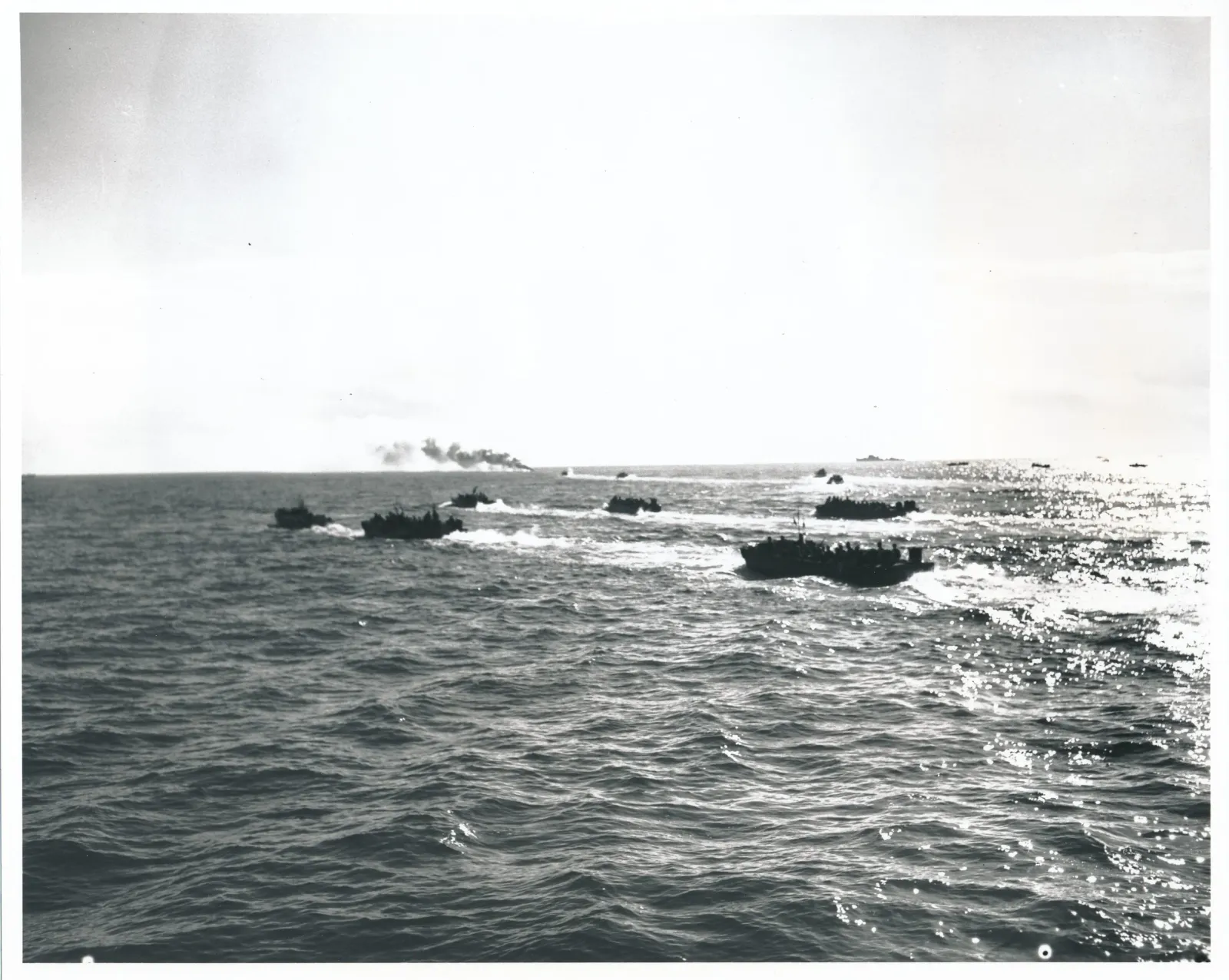
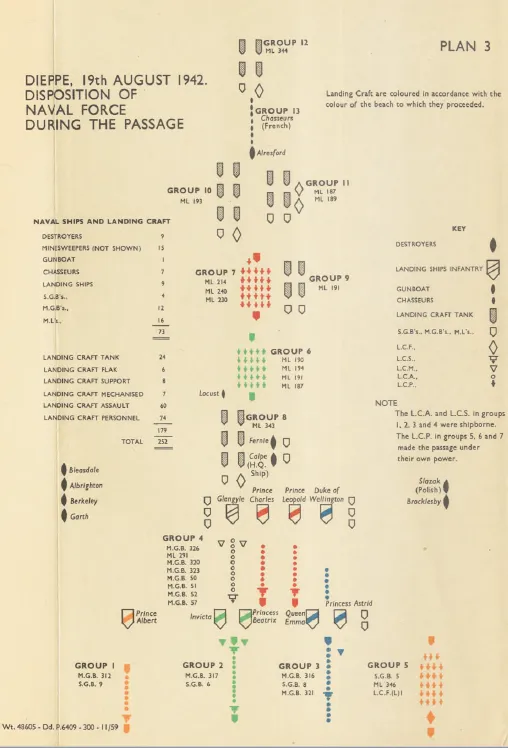
To support the invasion of Dieppe, the Royal Navy supplied more than 230 ships. Most of these were landing craft and support ships escorted by a mere nine destroyers. No battleships or cruisers accompanied the force across the English Channel. Crossing the channel with the invasion fleet were 24 Landing Craft Tank (LCT) which were used to bring the tanks of the 14th Canadian Army Tank Regiment, each holding three Churchill tanks, and sometimes a fourth Daimler Scout Car.
Proceeding the main assault at White and Red Beach was a preparatory bombardment and air attack. Four destroyers lined up and began shelling the eastern and western headlands to suppress the enemy, while five Hurricane Squadrons bombed the defensive positions along the beaches and laid a defensive smoke screen for the landing. Compared to the D-Day landings in 1944, the preparations for Dieppe were woefully inadequate and did little to suppress or destroy the enemy.
Units that fought at Dieppe:
The following major units are mapped on the web map: Royal Hamilton Light Infantry, The Essex Scottish Regiment, The Royal Regiment of Canada, The Black Watch of Canada, South Saskatchewan Regiment, The Queens Own Cameron Highlanders of Canada, The Calgary Regiment (Tank) 14th Canadian Army Tank Regiment, Les Fusiliers Mont-Royal, No. 3 Commando, No. 4 Commando, and the Royal Marines.
The following units fought at Dieppe as attachments or supporting units: Calgary Highlanders, Toronto Scottish (M.G.), 3rd Light AA Regiment RCA, 4th Field Regiment RCA, 2nd Field Company RCE, 7th Field Company RCE, 11th Field Company RCE, 1st Field Park Company RCE, 11th Field Ambulance RCAMC, 2nd Division Ammunition Company RCASC, and 2nd Provost Company.
What is the Project '44 Dieppe Web Map?
The web map is a free resource that allows the public to explore the raid at Dieppe. The web map provides the where and when for the events taking place during the battle. While much has been written about Dieppe, and how the battle takes place, it can often be difficult to understand the context of how everything is connected. This project gives the public a more visual way to understand the battle that will hopefully inspire them to read the many great books and resources that dive deeper into the raid.
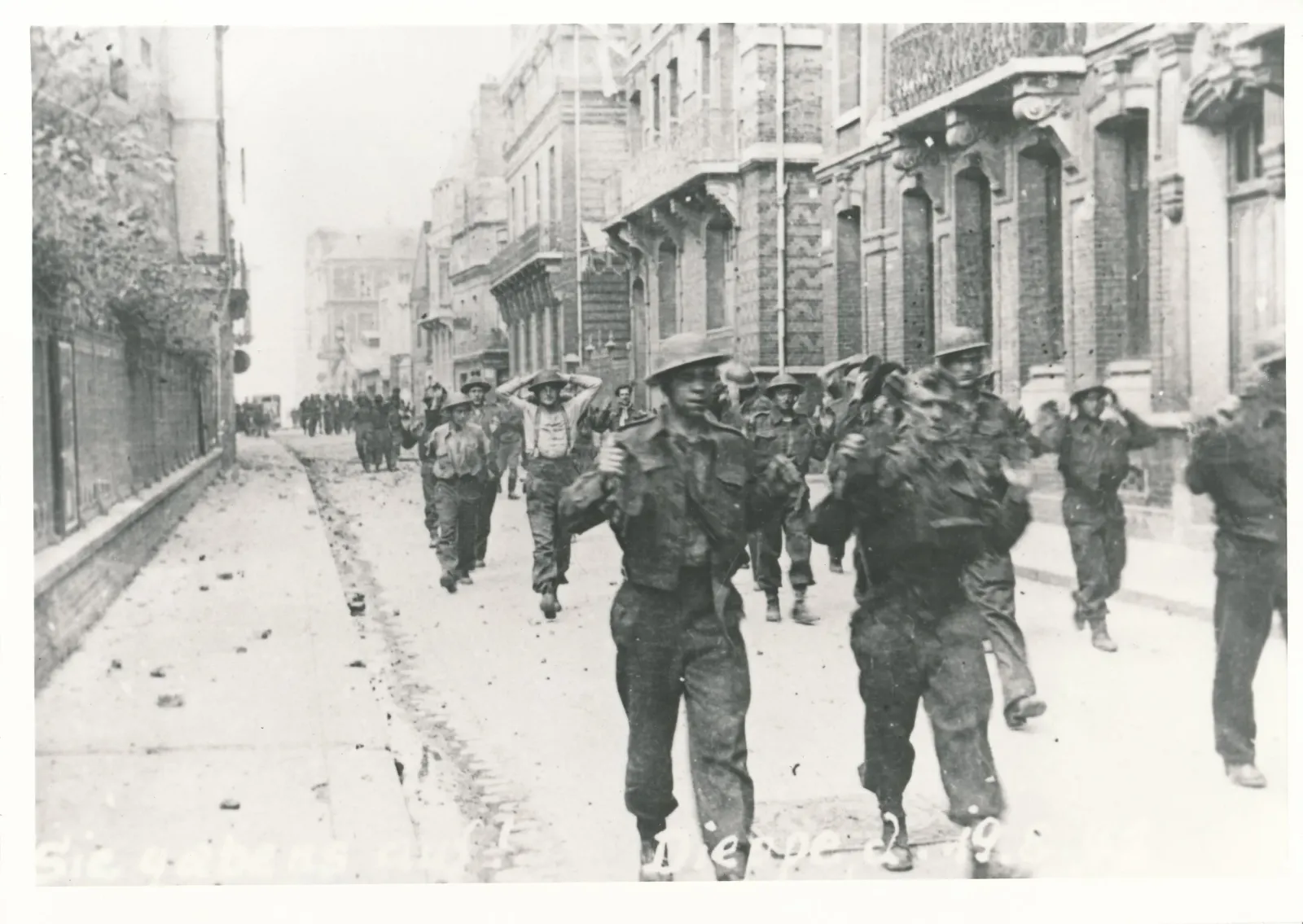
Heroes of Dieppe
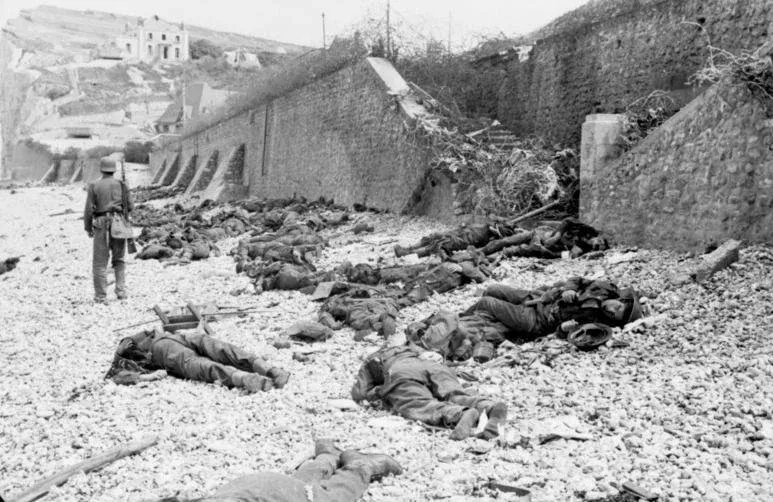
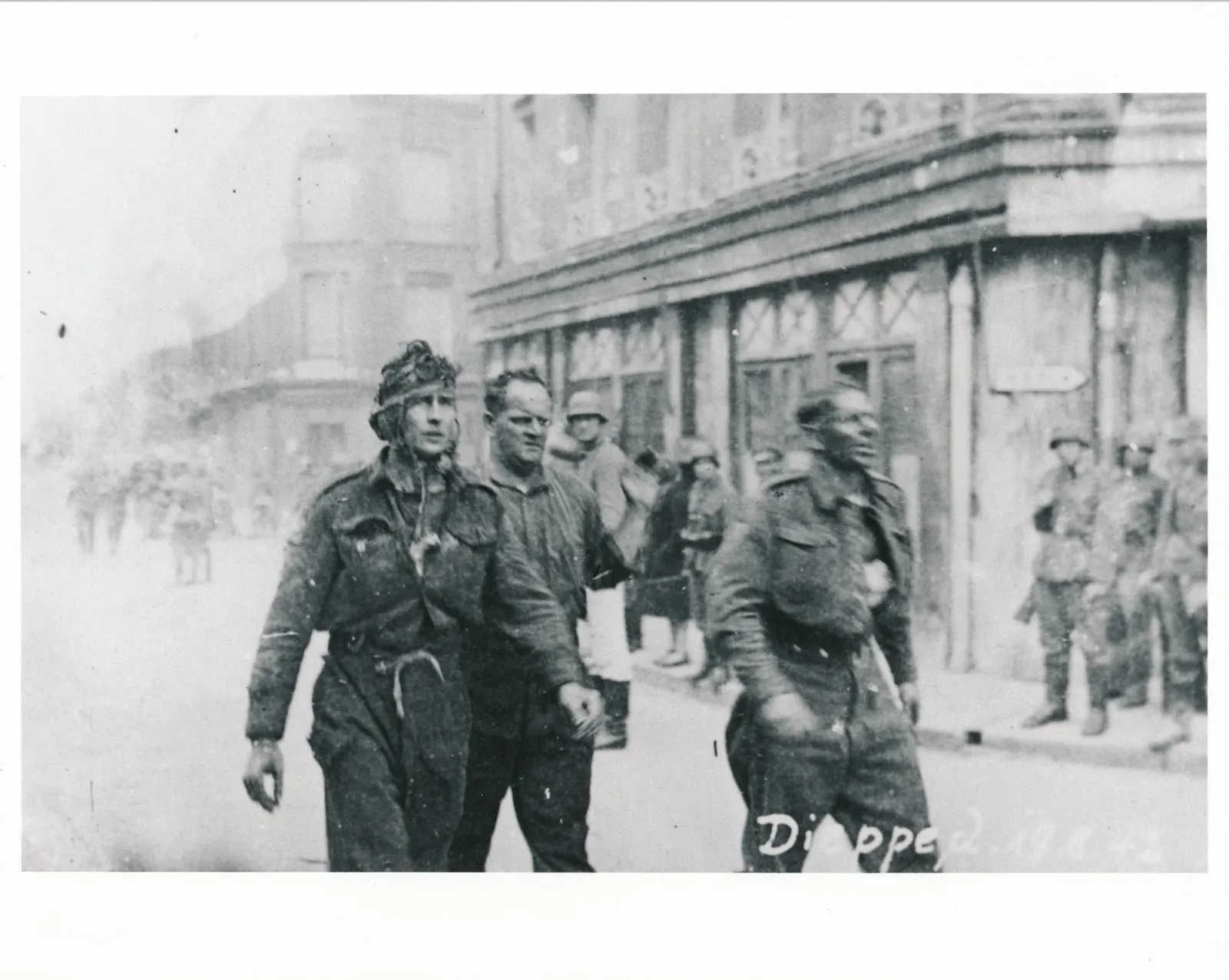
In just over eight hours of combat three Victoria Crosses were awarded for gallantry during the operation, two to Canadian soldiers and one to a British soldier. Miraculously all three Victoria Cross winners would survive the war, but both Canadians would be captured and spend the next three years as Prisoners of War.
Major Porteous, VC — Major Porteous was attached to No. 4 Commando for the raid, and was shot through his hand during the assault, with the bullet passing into his arm. Disregarding his wounds, he dashed across open ground while under fire and without hesitation took charge of a detachment. He then led the detachment in a bayonet charge to clear out a German position. Shot for a second time in the thigh, he continued to clear the final objective, finally collapsing from a loss of blood. Learn more
Lt Colonel Charles Merritt, VC, ED — Lt Col Merritt was the Commanding Officer of the South Saskatchewan Regiment, and landed at Green Beach with most of his Battalion on the wrong side of La Scie River. The only crossing was a narrow bridge covered by German fire which was piled with dead and wounded soldiers who had attempted to cross earlier. Under heavy fire, Merritt personally led several platoons across the bridge, then attacked a concrete pillbox killing all the occupants. Learn more
Captain John Weir Foote, VC, CD — Captain Foote was the Regimental Chaplain for the Royal Hamilton Light Infantry, and landed on White Beach. Over an eight-hour period, Foote assisted the Regimental Aid Post with the many casualties on the beach. Leaving the shelter of a beach depression, Foote continually ventured onto the beach to bring back wounded soldiers. Foote had several opportunities to evacuate, but refused and remained with the wounded on the beach. Learn more
"The air battle over Dieppe was the single largest one-day air battle of the war."
Air Battle over Dieppe
"Air battle over Dieppe" contributed by Dr. Mike Bechthold. mike@blackflight.ca
The RAF successfully defended the British Isles during the Battle of Britain, but the focus of air operation by the spring of 1942 had shifted to the continent. The British were eager to fight the Luftwaffe in the skies over occupied Europe, but the Germans quickly realized that they did not have to counter the British as the single seat fighters could do little damage. The RAF supported the plan for Dieppe as a catalyst to draw the Luftwaffe into battle.
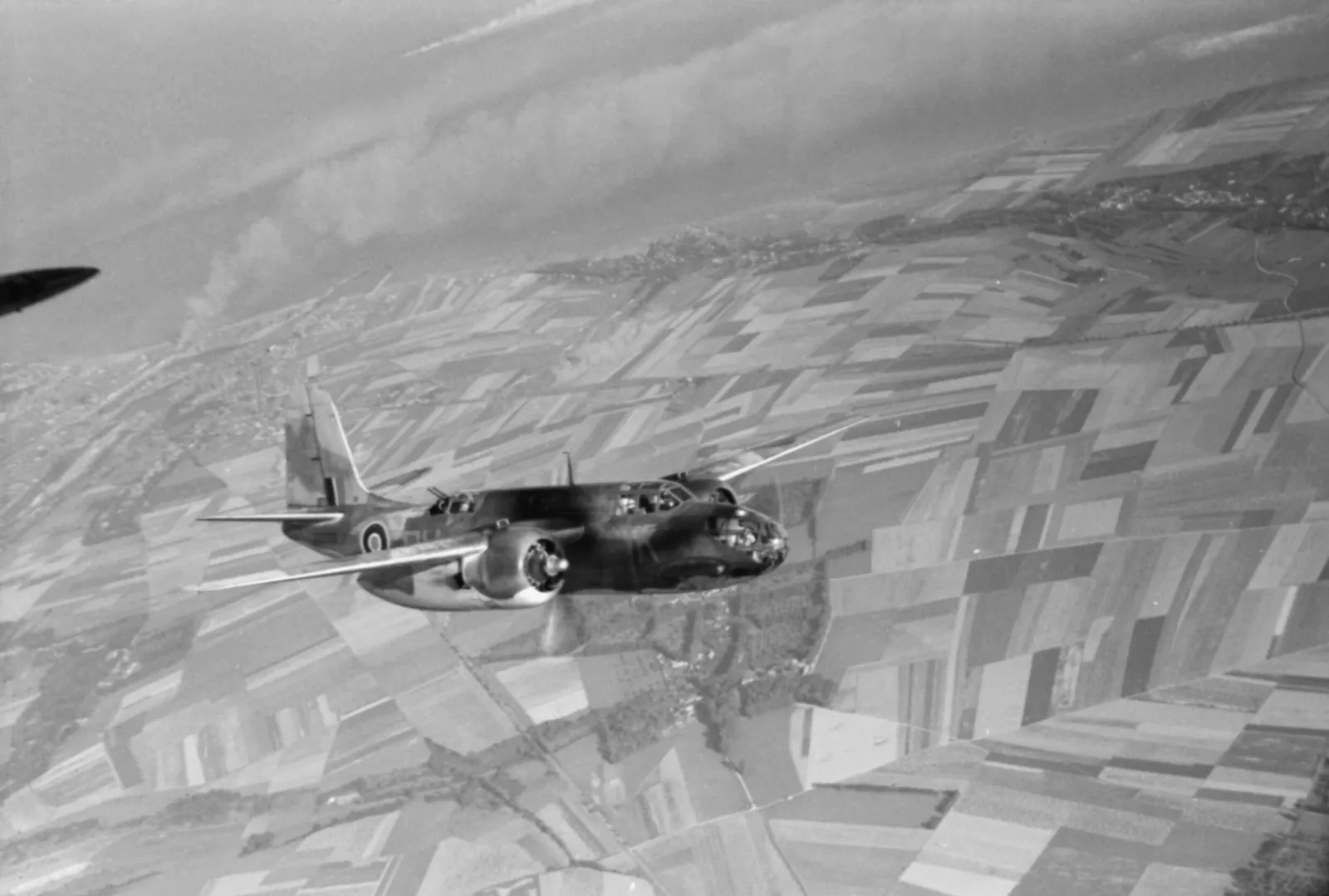
In total, 72 Royal Air Force and Royal Canadian Air Force squadrons from Fighter Command took part in the fighting, including: 48 Spitfire squadrons (28 RAF, 6 RCAF, 5 Polish, 3 US, 2 Czech, 2 Norwegian, 1 Free French, 1 Belgian); 8 Hurricane squadrons (army support); 6 Douglas Boston squadrons (5 RAF Bomber Command, 1 RCAF); 4 North American Mustang squadrons (photo reconnaissance); 3 Hawker Typhoon squadrons; 2 Bristol Blenheim squadrons; 1 Bristol Beaufighter squadron; 4 B-17 Flying Fortress squadrons (USAAF); and 2 Spitfire squadrons (USAAF).
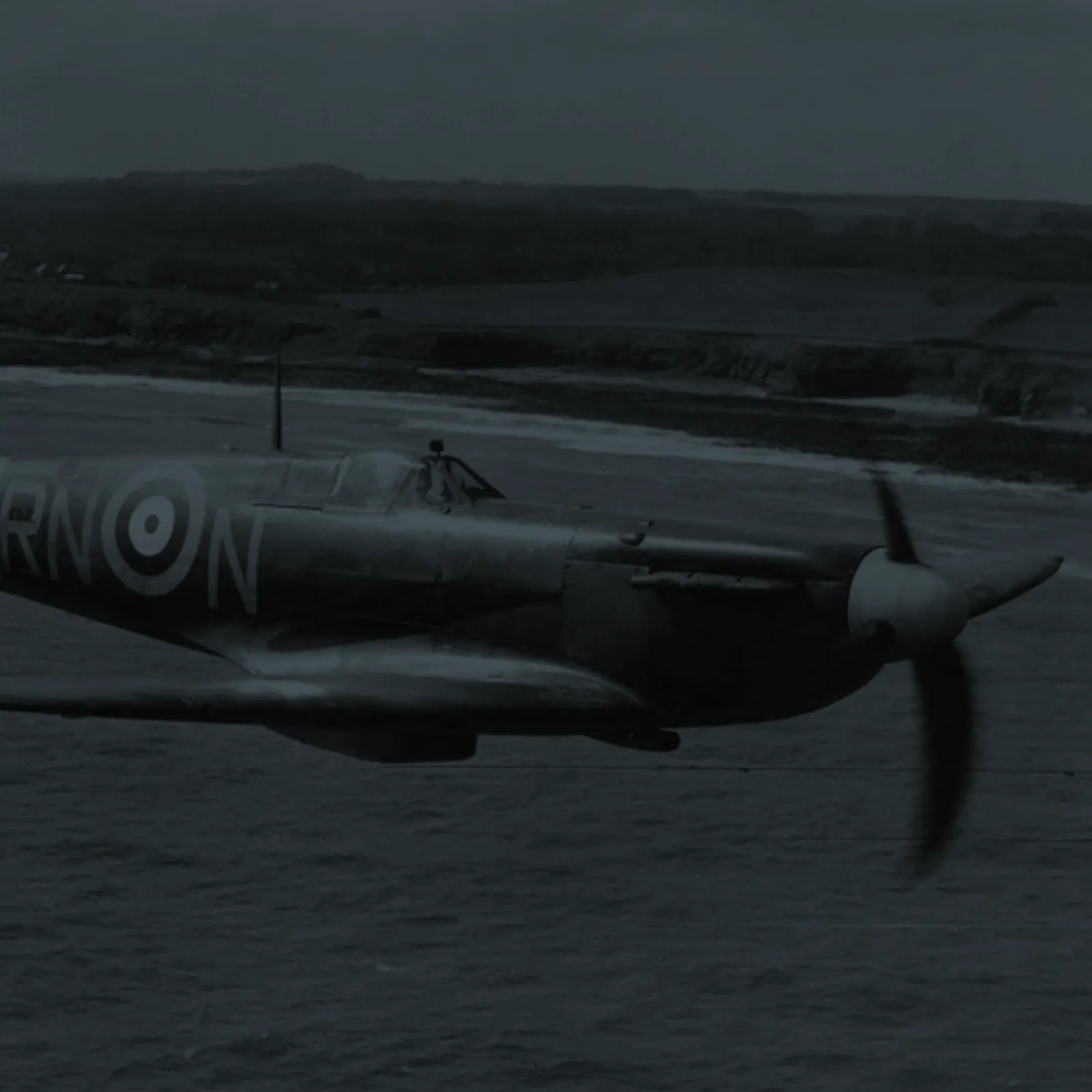
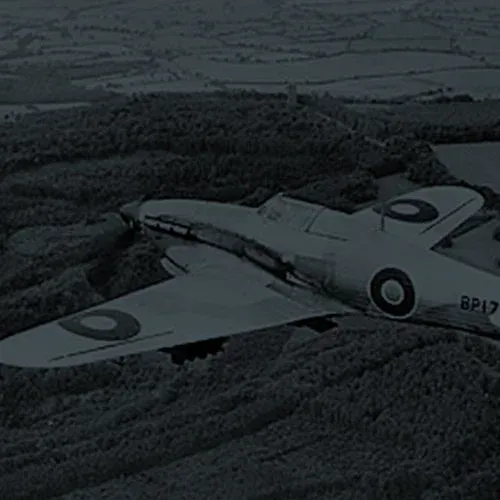
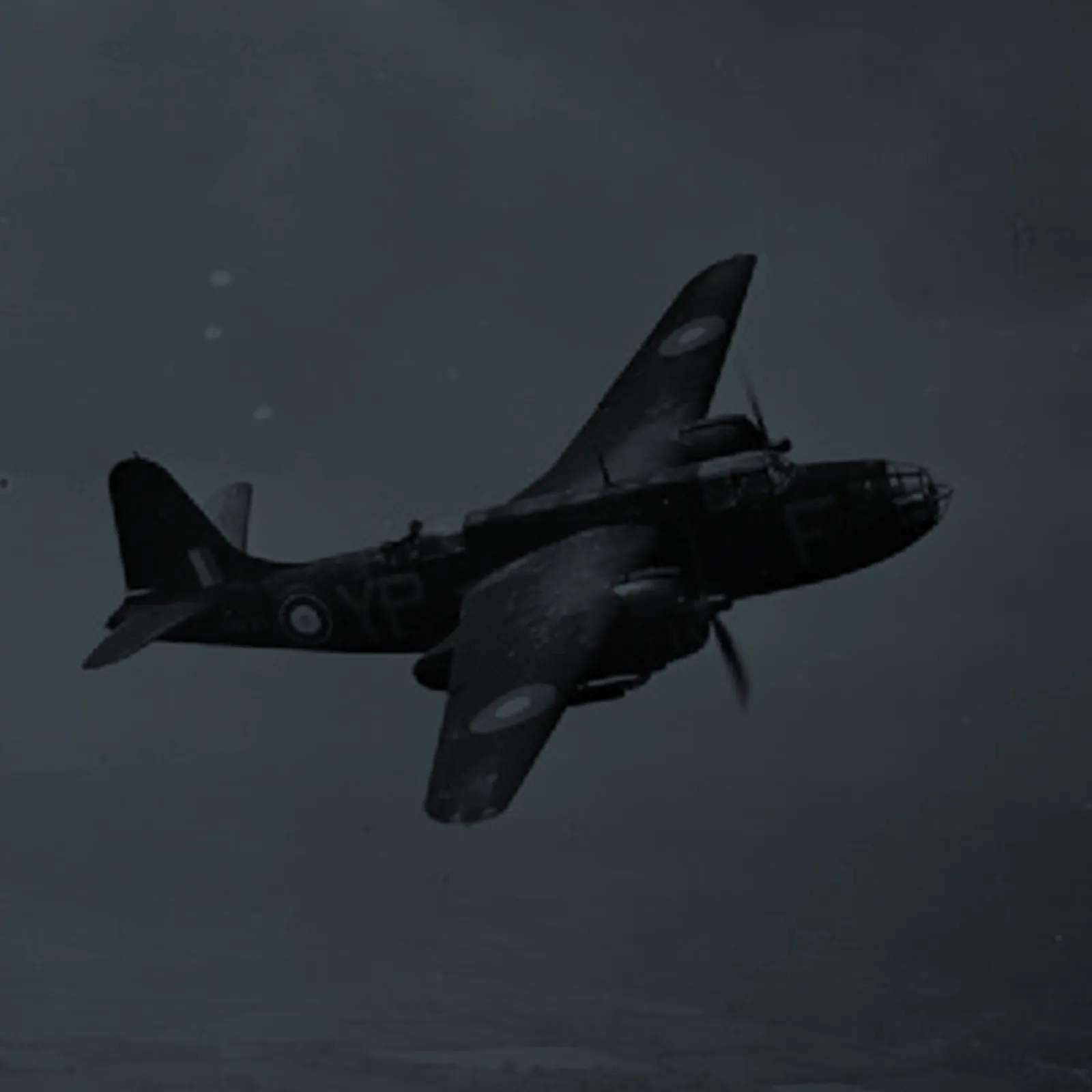
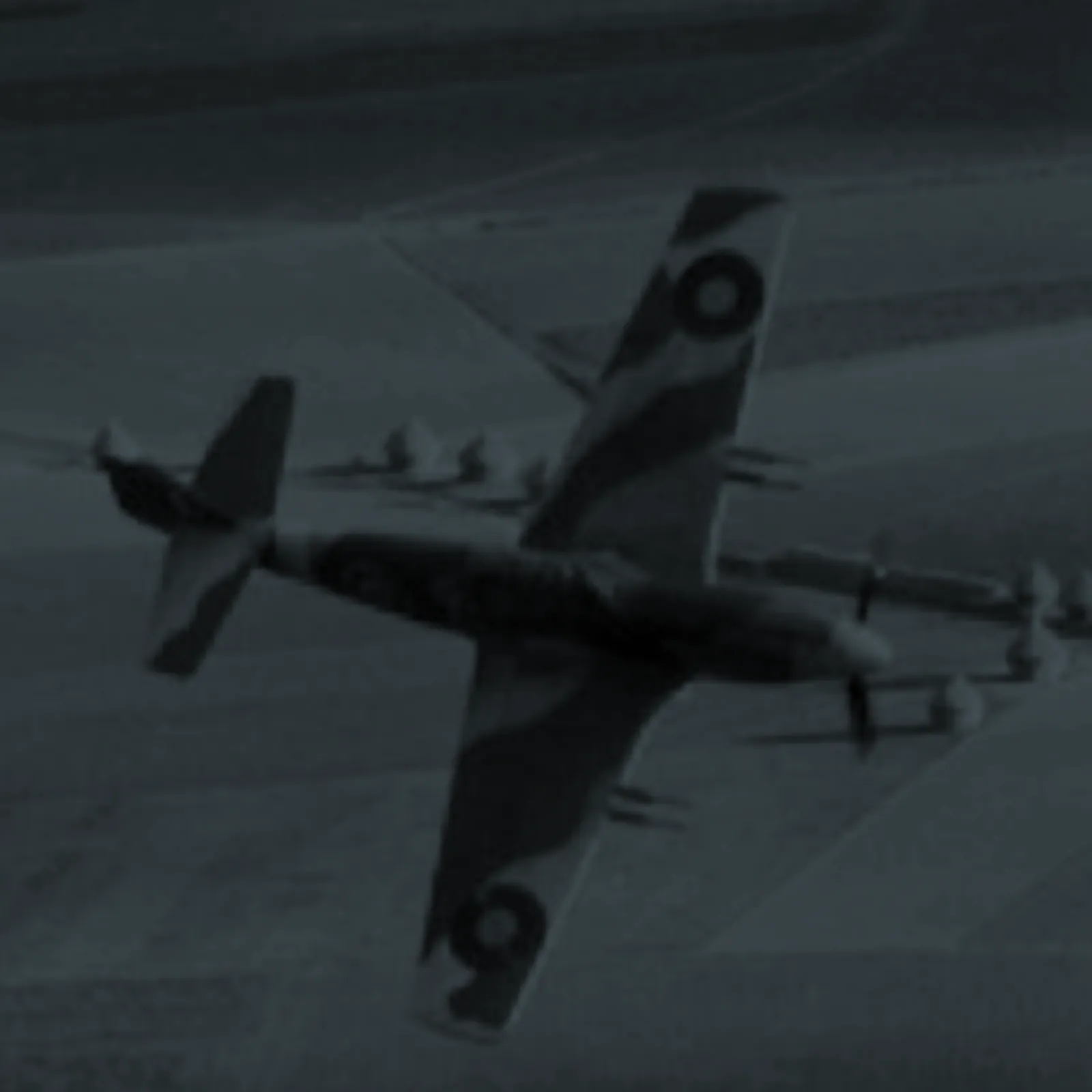
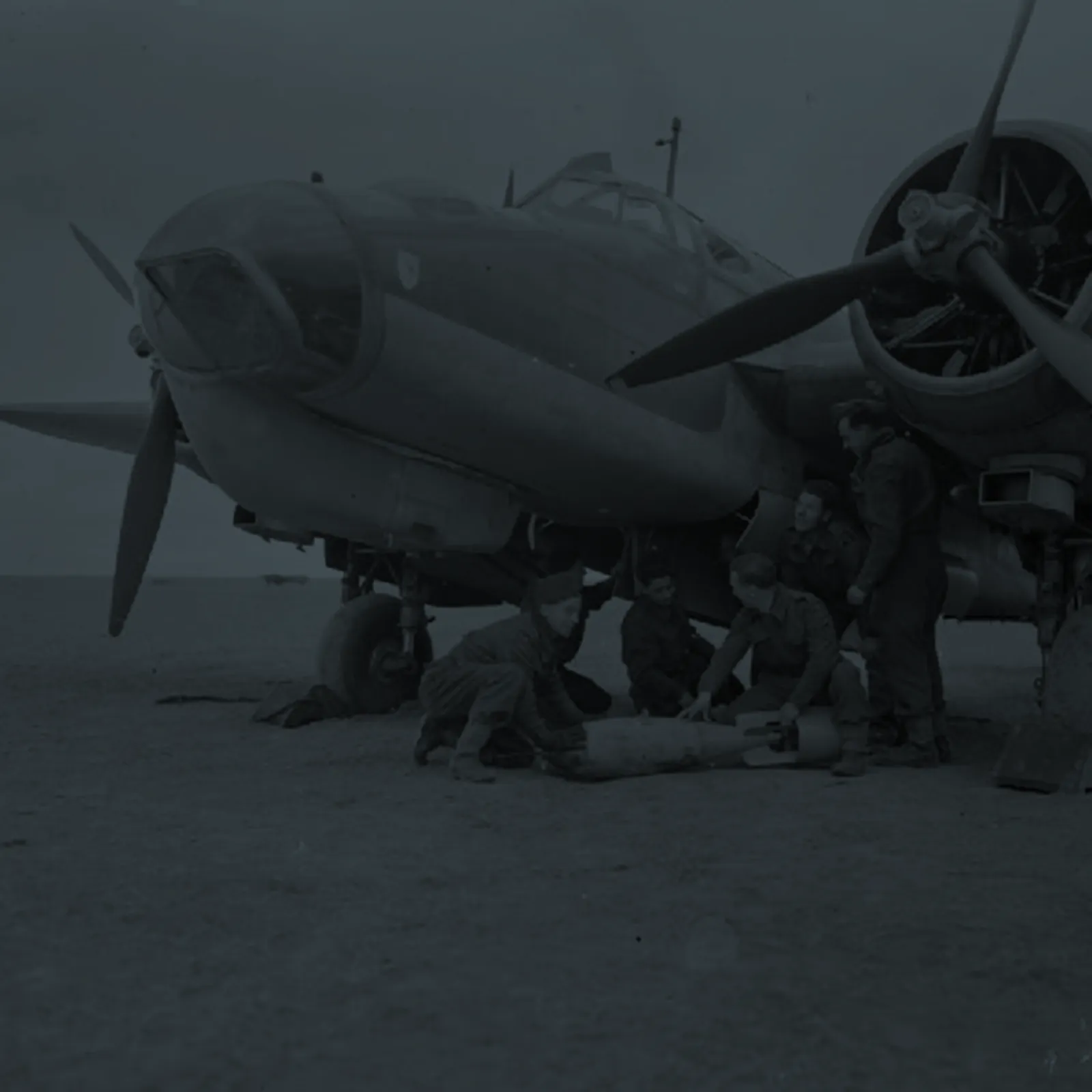
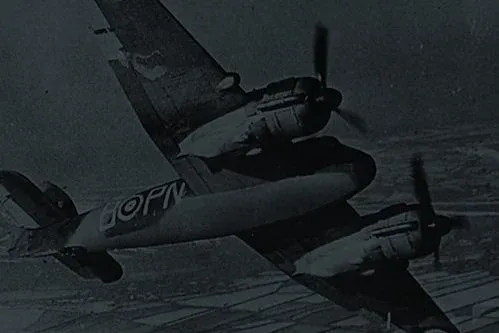
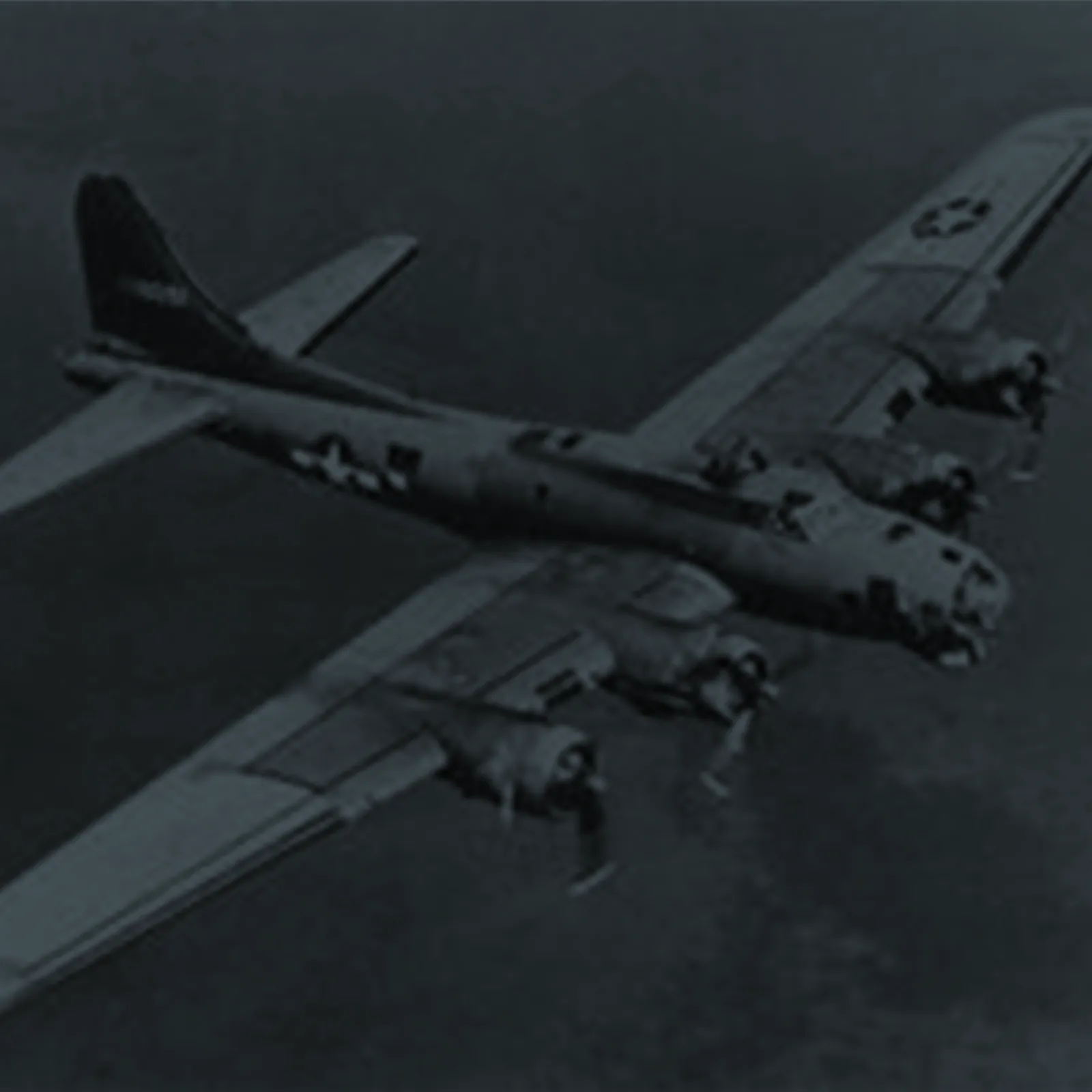
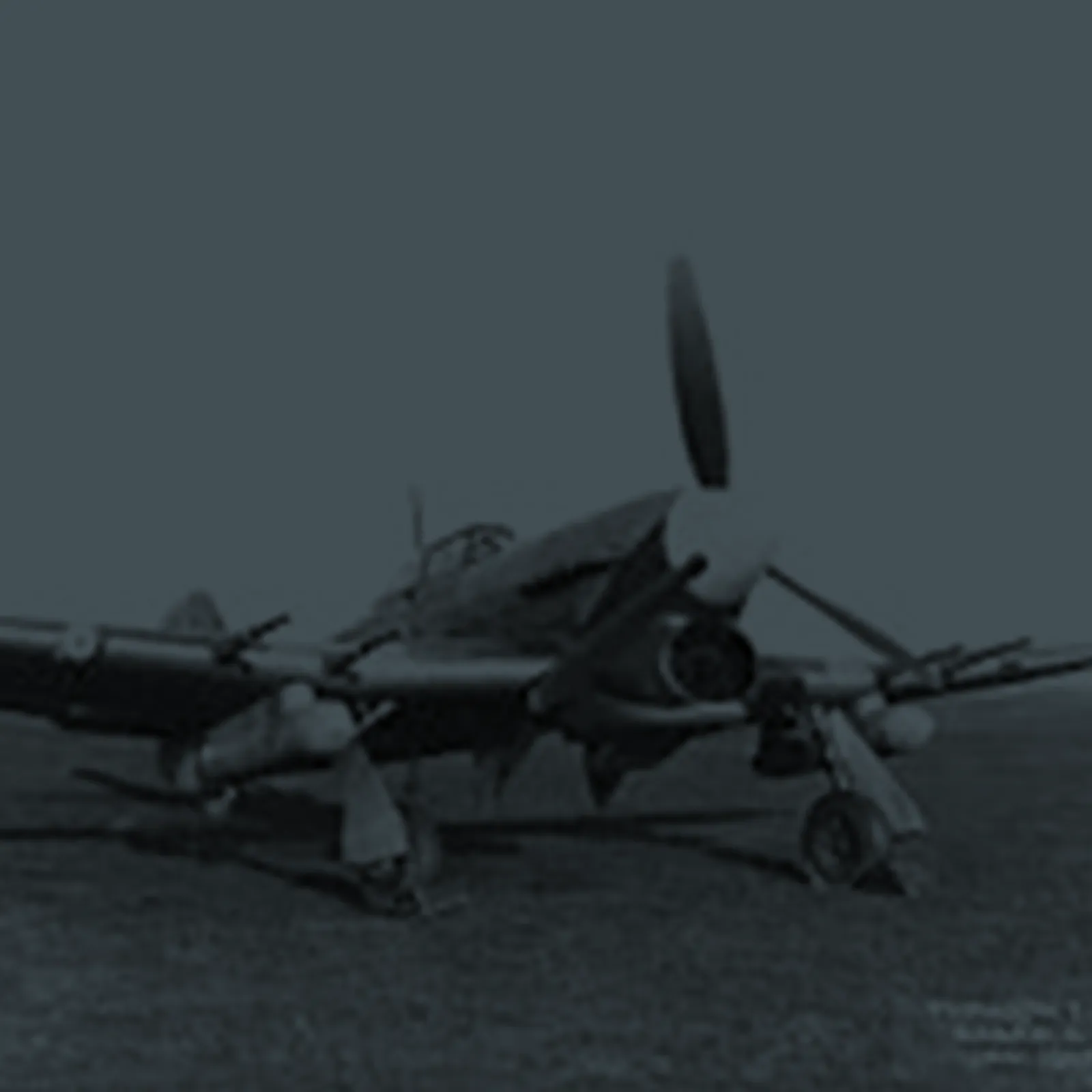
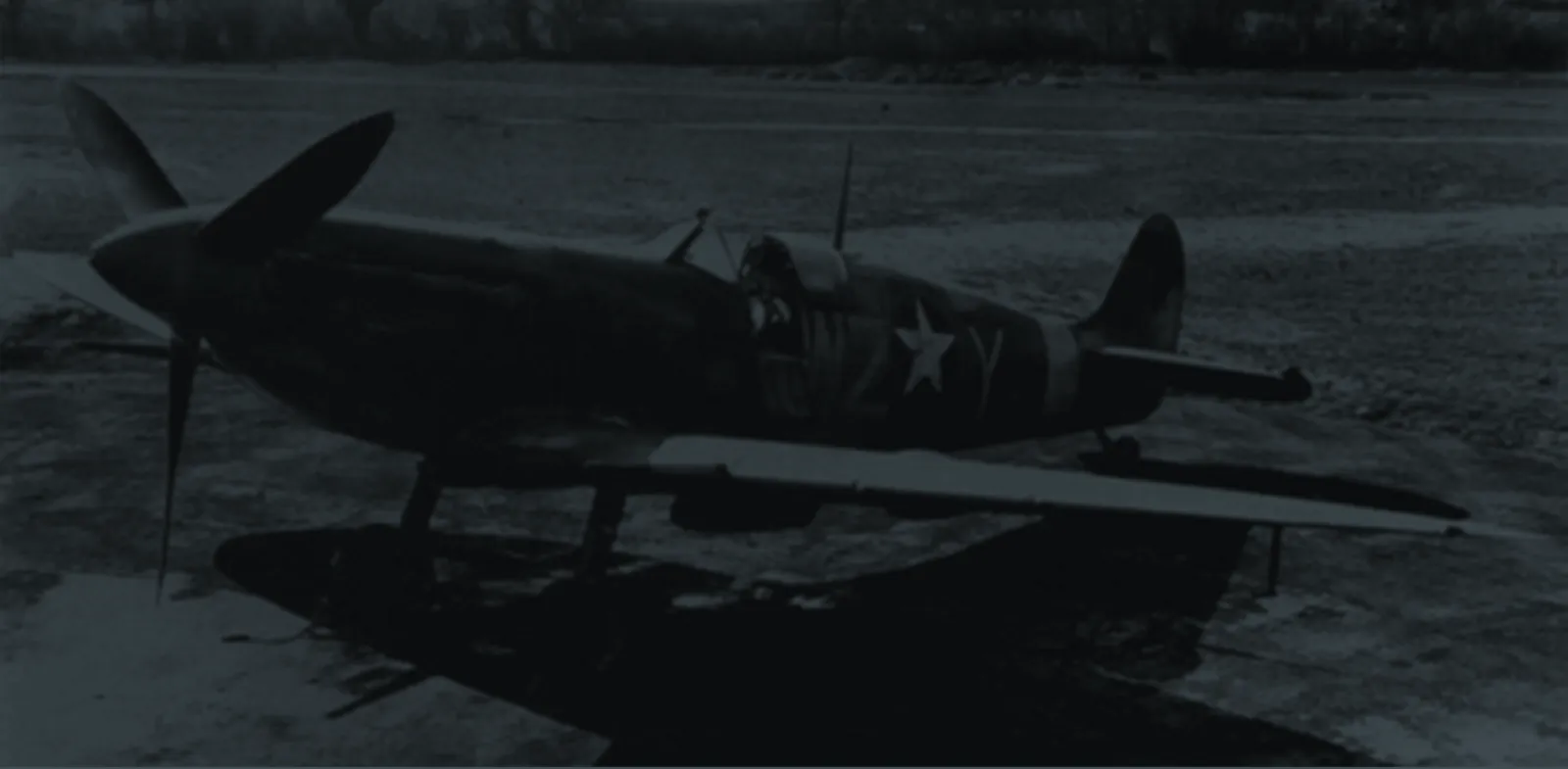
The RAF and RCAF squadrons performed many roles during the battle. The four Mustang squadrons surveyed the battlefield to anticipate the arrival of German reserves. The medium bombers attacked gun batteries and laid smoke to screen the naval landings. The USAAF, flying one of its first missions over Europe, bombed a German airfield near Abbeville. The majority of the Allied fighter squadrons were deployed as an air umbrella to protect the Allied naval and air forces from Luftwaffe attacks.
The RAF and RCAF flew some 2,955 sorties on 19 August in support of Operation Jubilee. Their losses were heavy (106 aircraft, 62 killed in action, 29 wounded, and 17 taken prisoner). In addition to protecting the fleet, pilots claimed 96 Luftwaffe aircraft destroyed, 39 probably destroyed, and an additional 135 damaged. After the war, it was discovered actual German losses were about half those claimed — 48 aircraft destroyed and 24 damaged.
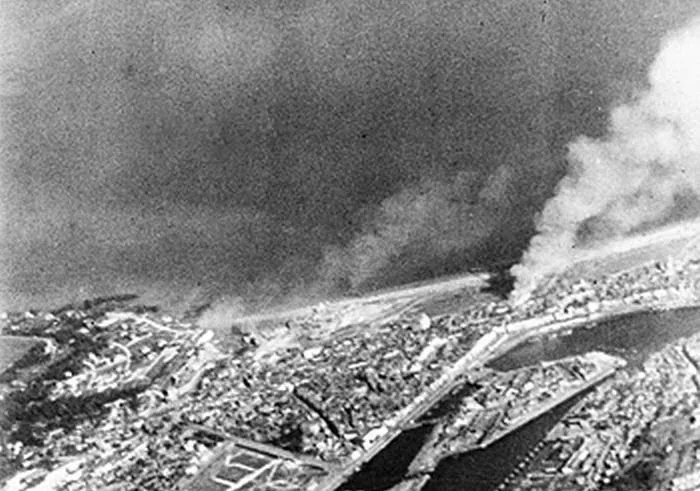
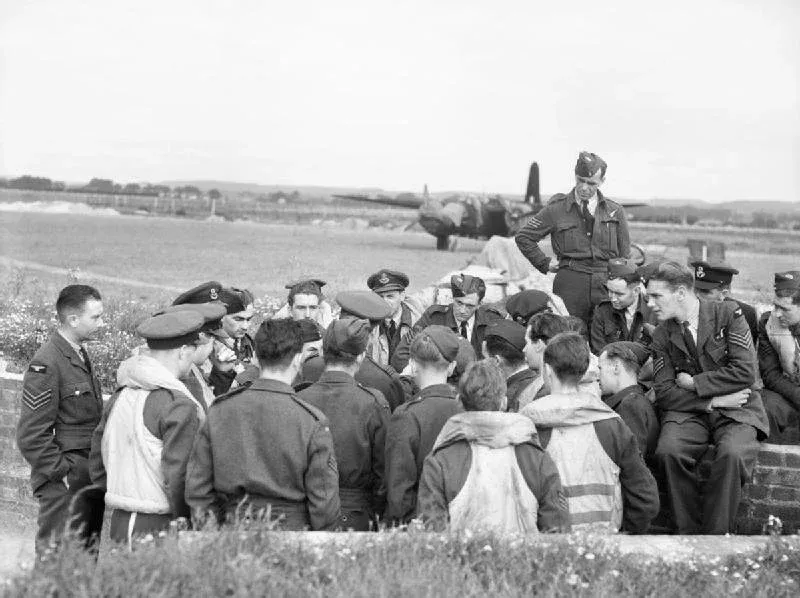
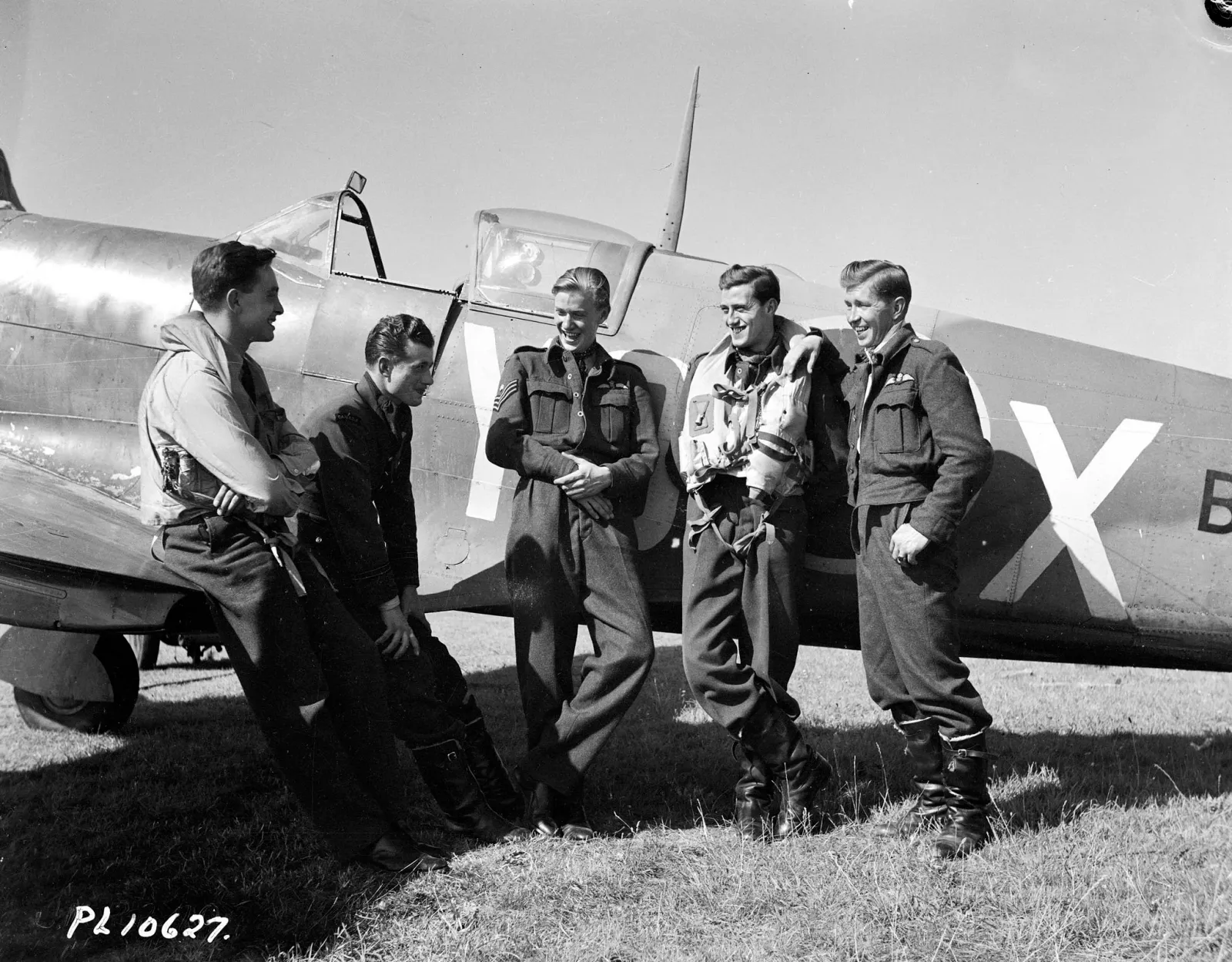
"Attackers grossly under-estimated the strength of the German Garrison... It was a disaster" — Winston Churchill
How to Use the Web Map
Timeline
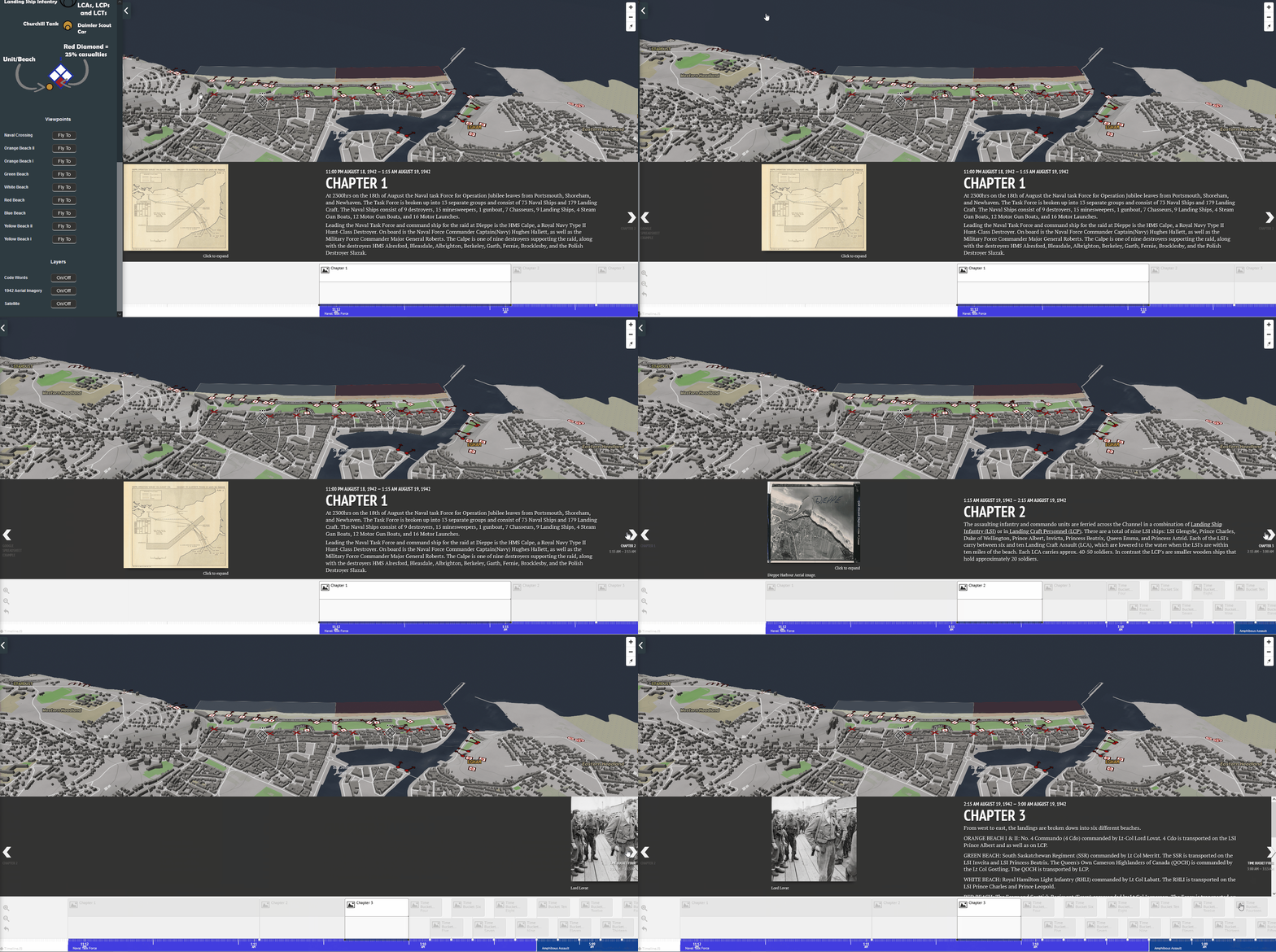
A dynamic timeline powers the web map and forwards the animations. The timeline allows users to understand when events were taking place. Each event is broken down into a chapter, with most chapters covering a 15-minute span of the battle. The bottom of the timeline is colour coded to show the main phases of the operations: Naval Task Force, Amphibious Assault, Holding the Beach, Withdrawal, and Surrender.
To advance the timeline and watch the animations press on the arrows on either side of the timeline. Users can also click on individual event chapters, or drag the bottom timeline to a section they wish to view. Located on the left side of the timeline are a series of buttons that allow users to expand or contract the timeline, and a button to reset the timeline to the beginning.
Legend
The legend is located on the left hand side of the map as a collapsible menu. It contains information on the map symbols for all the unit markers. Each allied unit has a coloured circle that corresponds to the unit and beach it lands at. Gold circles are used to denote the Churchill tanks and Daimler scout cars when landed on the beach.
How to Navigate the Map
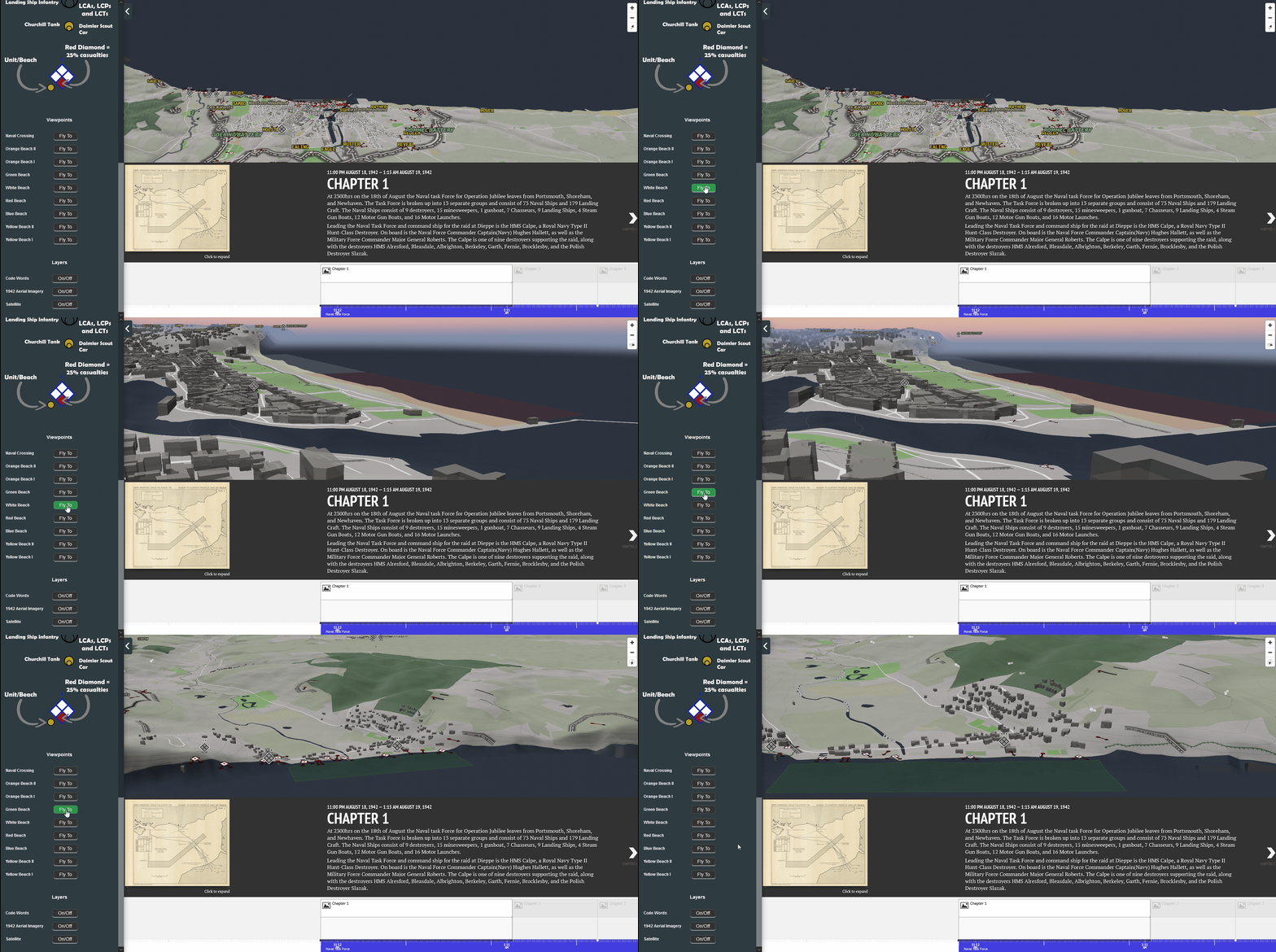
Located in the legend are nine viewpoint buttons that can be clicked to move the map around. These viewpoints will quickly move you from various pre-determined vantage points to witness the actions taking place. On the far top right of the web map there are navigation buttons to increase the zoom and re-orientate the map to north. Alternatively a user can navigate the map using their mouse: hold left mouse button to pan, hold right mouse button to change pitch and bearing, and use the mouse scroll wheel to zoom.
Methodology — How We Mapped Dieppe
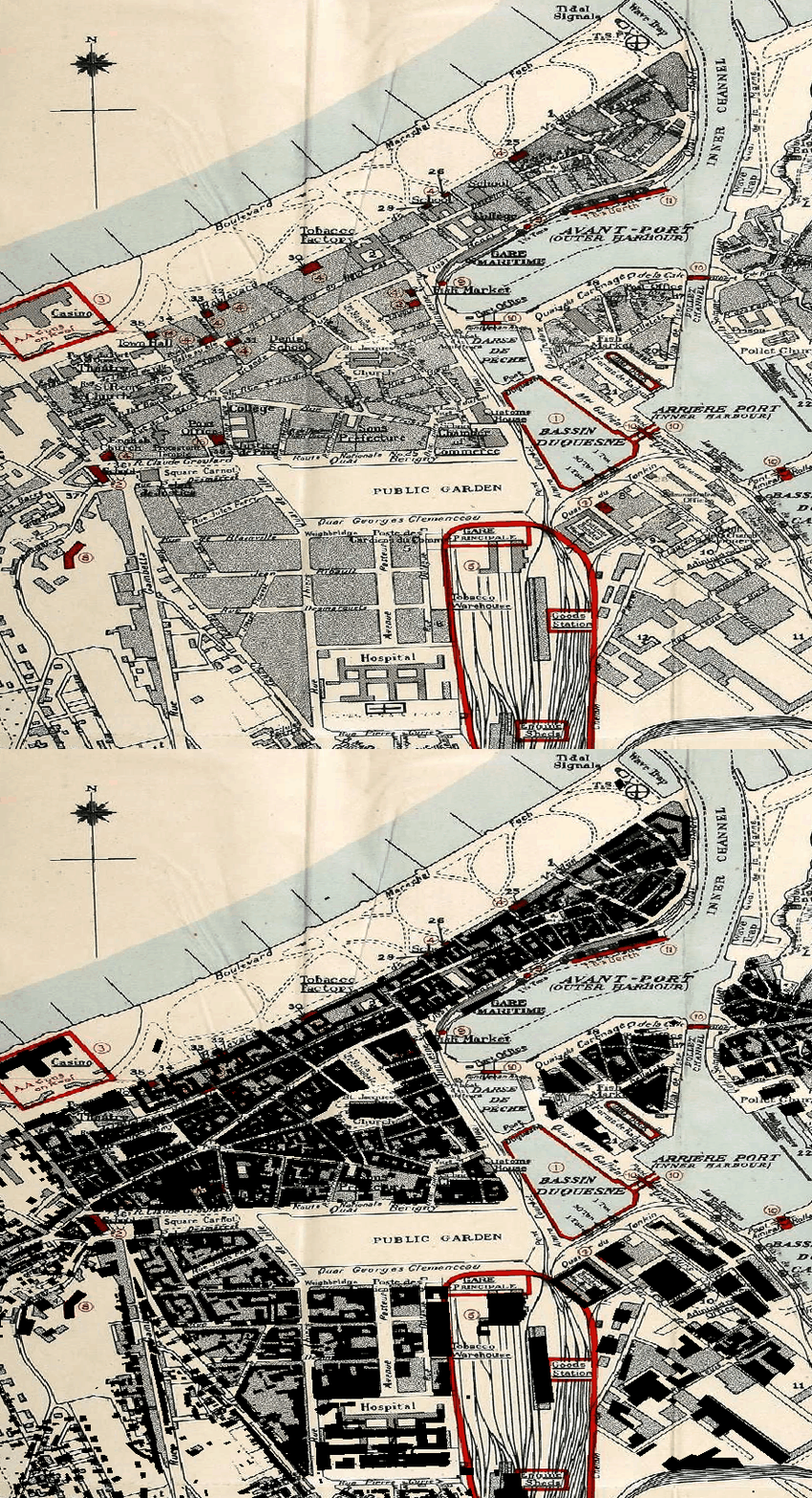
Open Street Maps
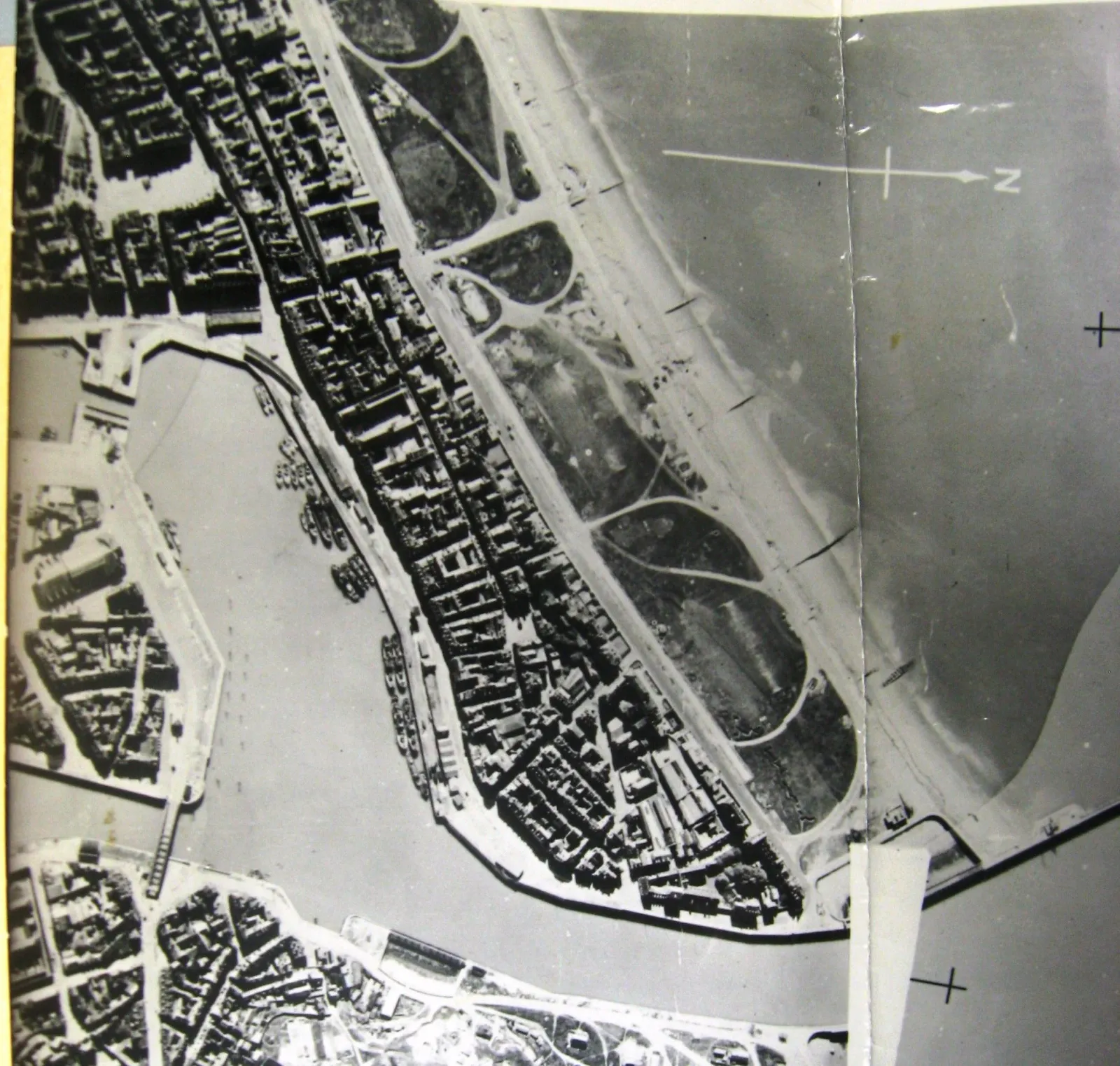
The first part to mapping Dieppe began with collecting as many original maps of Dieppe in 1942 as possible — Town Plans, topographic maps from the Geographical Section General Staff (GSGS), Defensive Overprints, and contemporary maps from C.P. Stacey. Each of these maps were then georeferenced in ArcGIS. Using OSM buildings from 2022 as a base, we were then able to delete buildings from new areas of development, and add in buildings that were destroyed over time such as the famous Casino on the Promenade. The intent was not to get a perfect 100% exact town replica, but to have the shape of the town of Dieppe and for the surrounding areas to be similar to how it was in 1942.
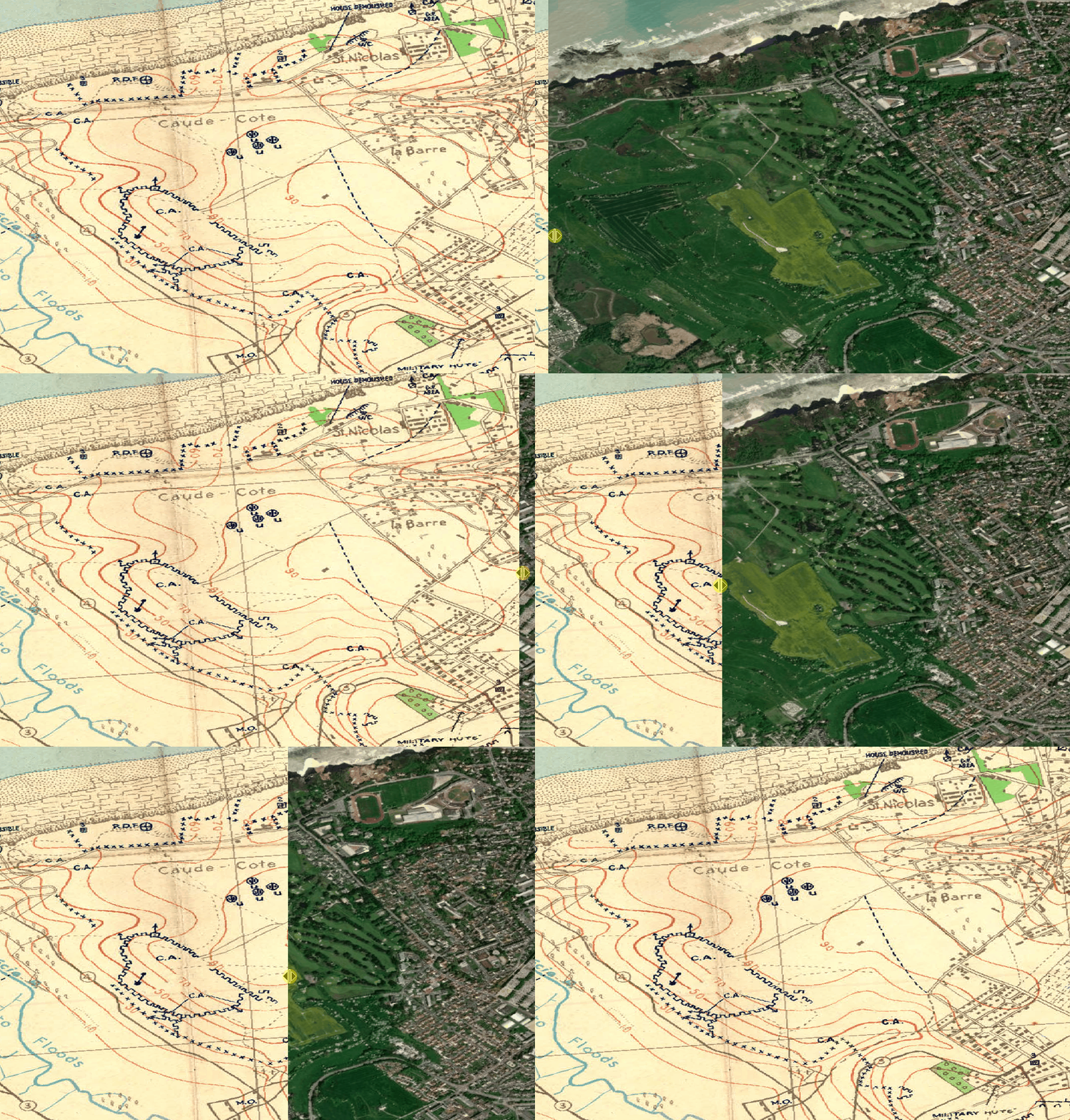
Defensive Overprints
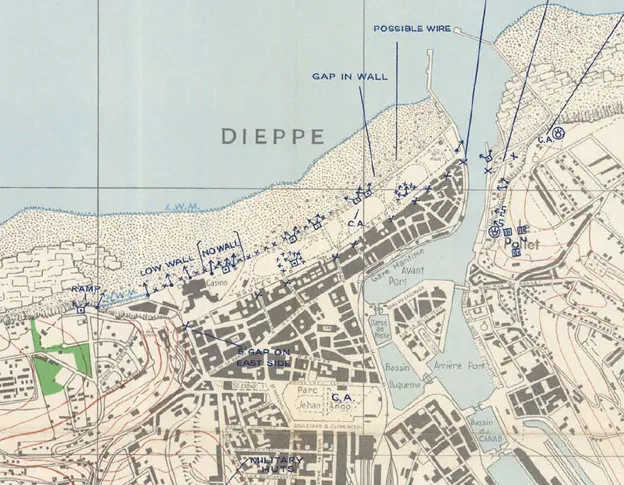
Four different defensive overprints were georeferenced to provide a good base to map the defensive positions of Dieppe and surrounding areas. Things that were mapped include bunkers, machine posts, gun batteries, obstacles (trenches, barbed wire), and radar stations.
Creating the Web Map, Timeline and Narrative
The web map is meant to be used as a visual guide to the battle. Many units are not represented on the web map — this is to keep the web map simple enough to run on the average computer and internet connection, but complex enough to showcase the entire battle. The battle was chaos: while the web map shows units as cohesive units, this is merely a representation. Finally, this web map should be reviewed through the lens of its sources. Much of the timeline and narrative was created using reports on the battle from the Canadian Army's Second World War historian Colonel C.P. Stacey. The project will remain open to be refined over time.
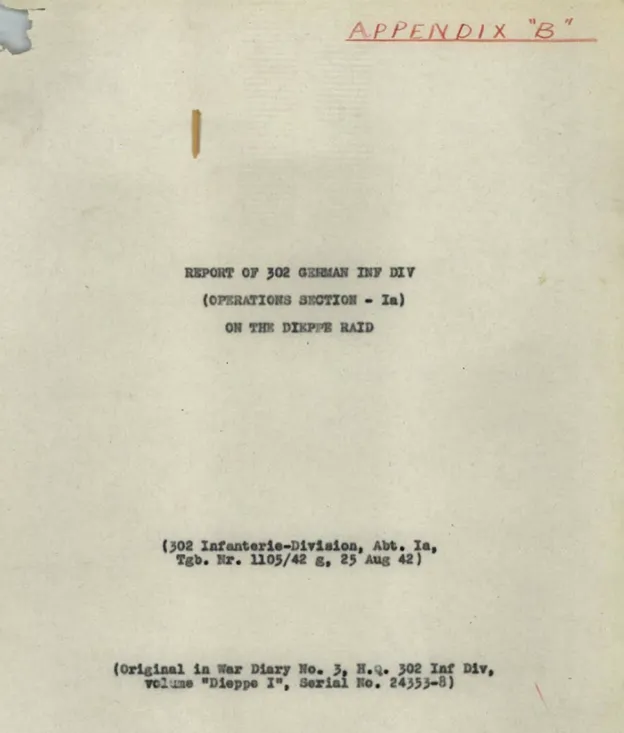
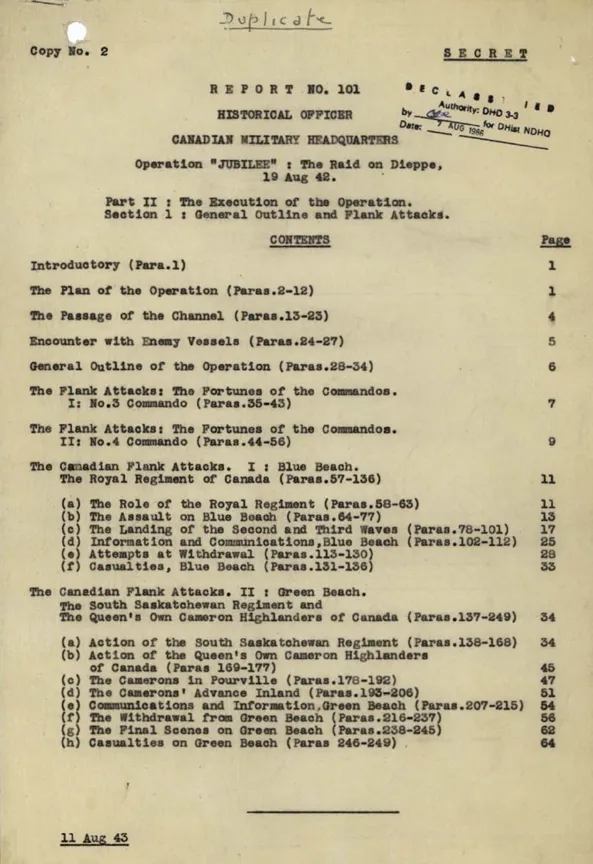
Sources used in the Dieppe web map: Naval Staff History - Raid on Dieppe (Naval Operations - Historical Section Admiralty); Operation Jubilee - Information from German War Diaries - C.P. Stacey; Operation Jubilee - Parts I, II & III - C.P. Stacey; Dieppe Through the Lens - Henry/Pallud.
Support the Project
Buy a Map
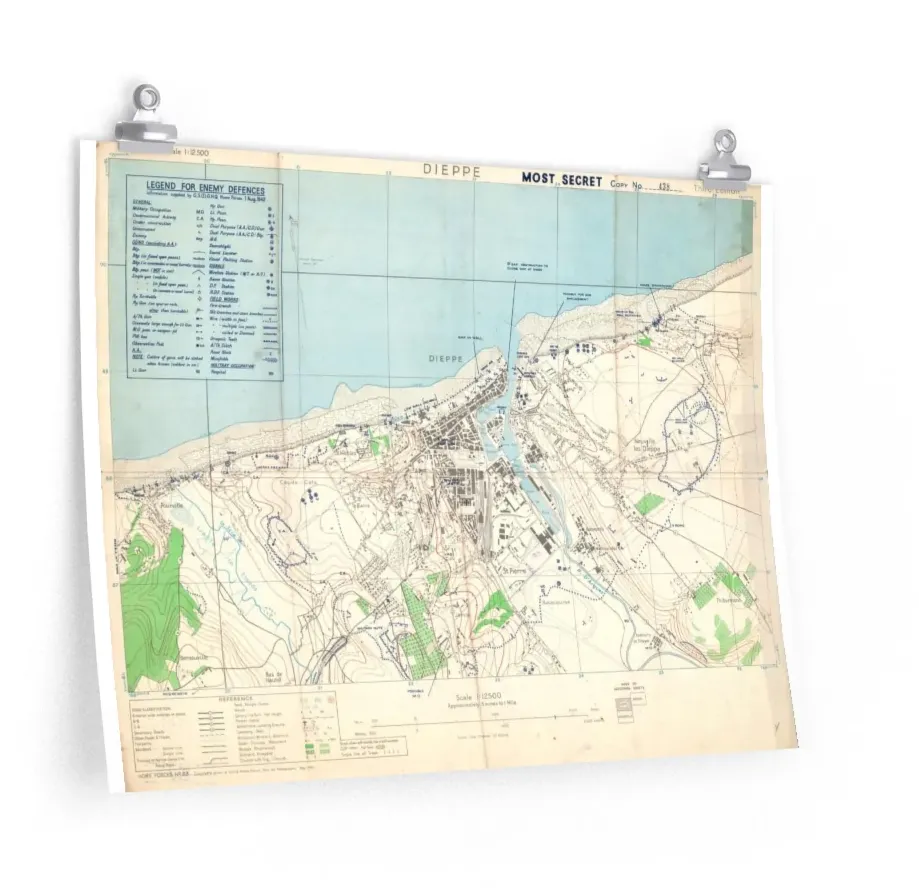
You can have your very own copy of a Defensive Overprint map used in the planning of Operation Jubilee. These maps show machine gun positions, bunkers, barbed wire emplacements, anti-aircraft positions, gun batteries and more, printed on high quality paper ready for framing. 100% of proceeds are directed back to the project.
The Project '44 team acknowledges and thanks Veterans Affairs Canada for their contribution to help fund part of the project.