Operation Wellhit: The Capture of Boulogne
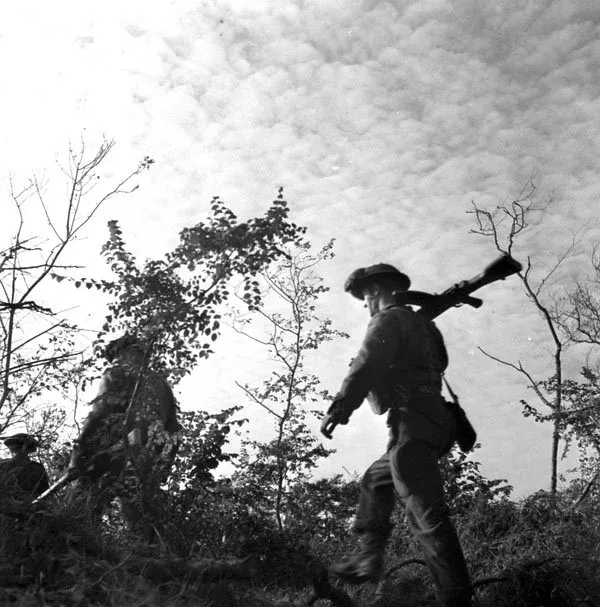
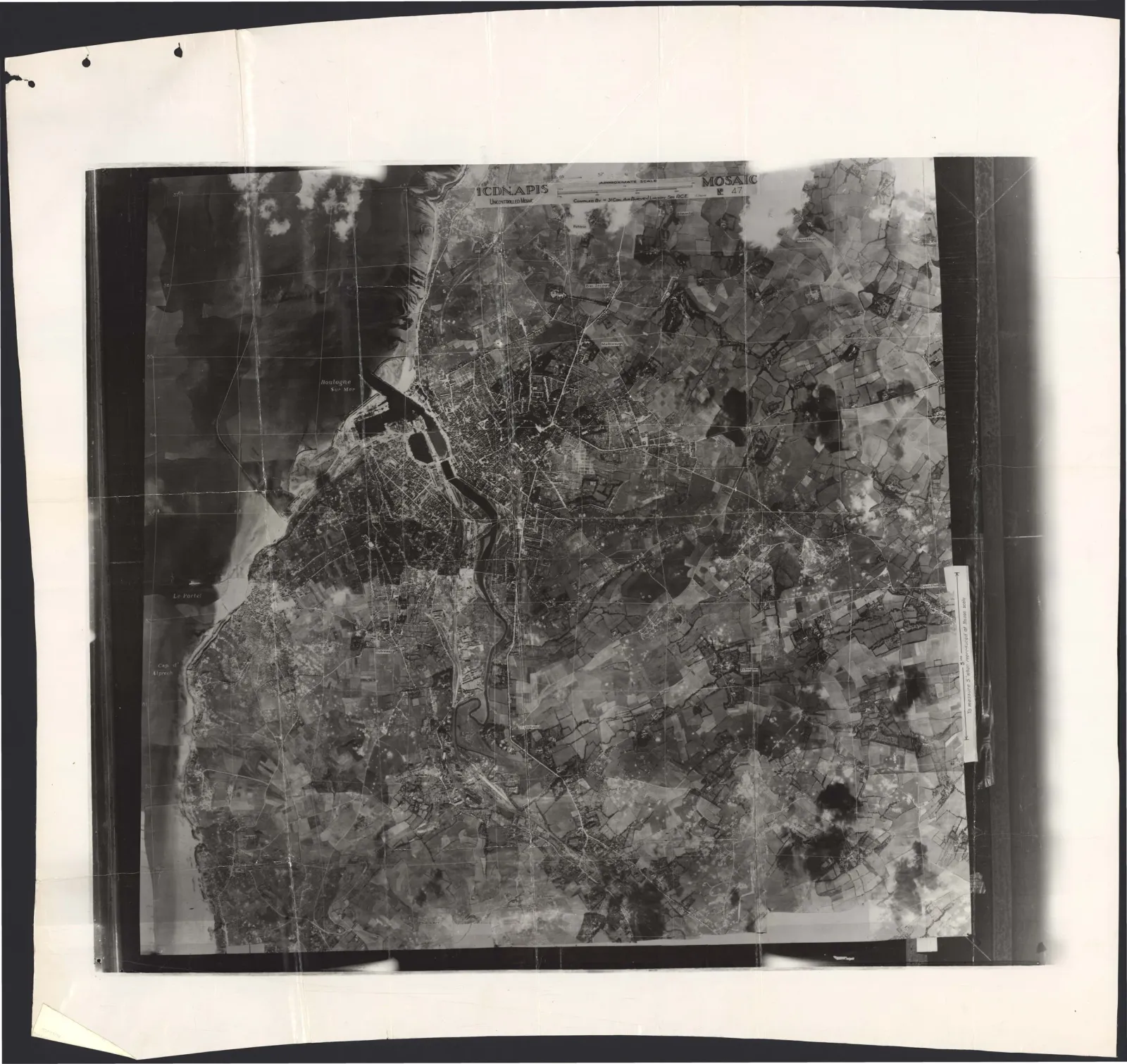
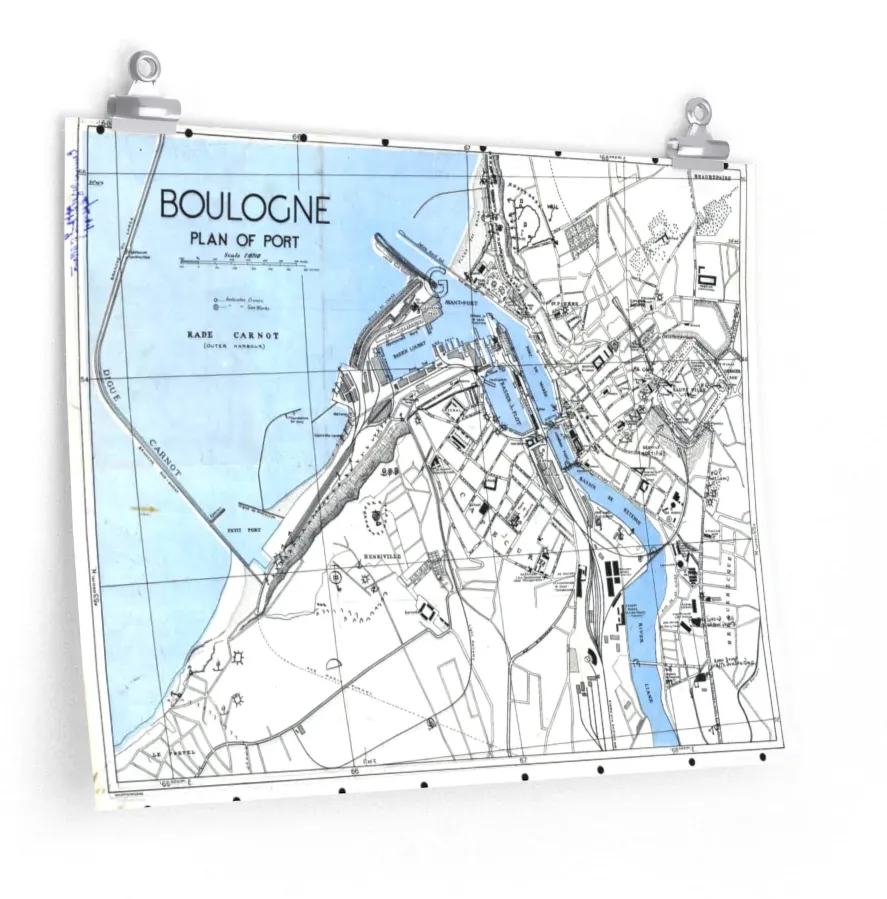
In mid September 1944, the 3rd Canadian Infantry Division, with the 8th and 9th Canadian Infantry Brigades chosen to lead, was ordered to take Boulogne-sur-Mer. The operation was code named Wellhit, and it was hoped that capturing Boulogne and its harbour could alleviate some of the supply issues facing the Allies as they attacked toward Germany.
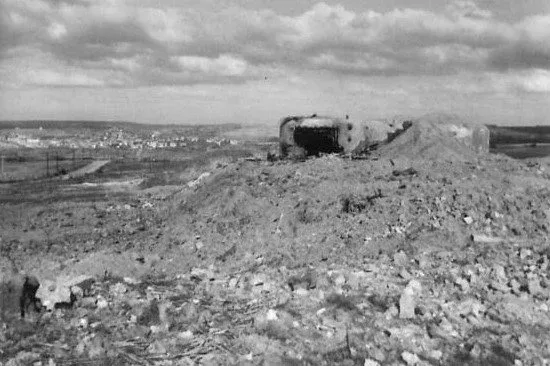
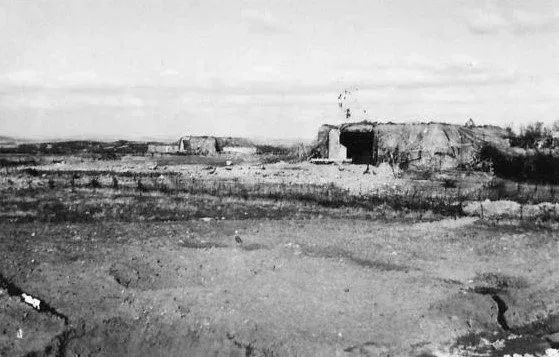
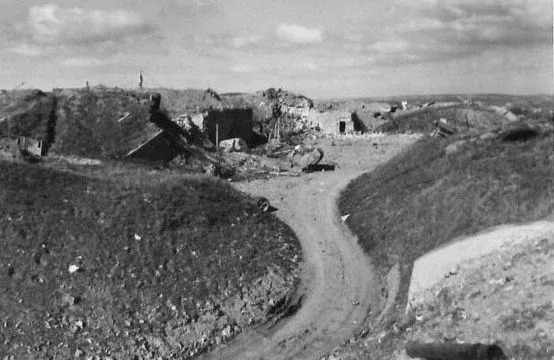
Boulogne was a formidable objective. It was ringed by high hills which the German defenders had turned into strongpoints. The 10,000 defenders were supported by coastal guns, 88mm guns, 15cm howitzers, and anti-tank guns.
The Attack Begins
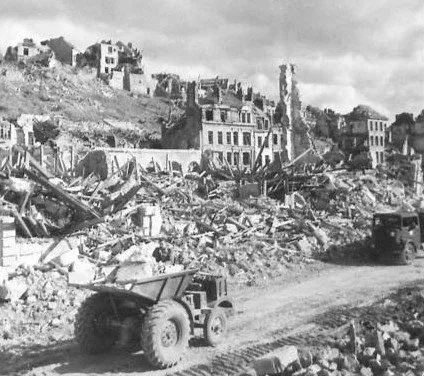
At 8:25 am on the 17th of September, Bomber Command attacked the German positions at Boulogne with 540 Lancasters, 212 Halifaxes, and 40 Mosquitoes. They dropped 3,232 tons of bombs on the German defences.
8th Canadian Infantry Brigade
On the 17th of September, the German strongpoint at La Tresorerie was attacked by the North Shore Regiment at 9:25 am, before the main assault on Boulogne began. The assault was checked after making slight progress and the position was not taken until the 18th.
The rest of 8th Brigade's attack began at 9:55 am on the 17th. Le Régiment de la Chaudière captured Marlborough. The Queen's Own Rifles of Canada attacked and captured St. Martin Boulogne and by evening they were close to Boulogne itself.
On the 18th, the Chaudière pushed on to the Colonne de la Grande Armée. The Queen's Own Rifles advanced through the northern outskirts of Boulogne. On the 19th of September the North Shore moved against Wimille and captured it the following morning. They also took Wimereux on the 22nd.
On the 21st of September patrols of the Queen's Own Rifles and the Chaudière probed the outer works of Fort de la Crèche. During the afternoon, 78 medium bombers attacked the fort. The next day when the Queen's Own Rifles attacked, they quickly subdued the garrison and it surrendered.
9th Canadian Infantry Brigade
On the 17th of September, the 9th Brigade, tanks of the Fort Garry Horse, and the 87th Assault Squadron Royal Engineers attacked toward Boulogne. The Stormont, Dundas and Glengarry (SDG) Highlanders advanced through St. Martin-Boulogne. The North Nova Scotia Highlanders ran into heavy opposition attacking Mont Lambert.
Early on the 18th, three armoured assault teams of the 31st British Tank Brigade, accompanied by 9th Brigade infantry, drove into Boulogne hoping to seize bridges over the Liane River but they were all destroyed. Later that day, the North Novas captured Mont Lambert. The SDG Highlanders reached the "upper town" of Boulogne. An attack by Churchill tanks forced the surrender of the defenders.
On the 19th, the Highland Light Infantry of Canada attacked across the Liane River but heavy opposition stalled their advance. The SDG Highlanders took the village of Outreau and the heavily fortified German position, codenamed "Buttercup," south of Boulogne, the same day.
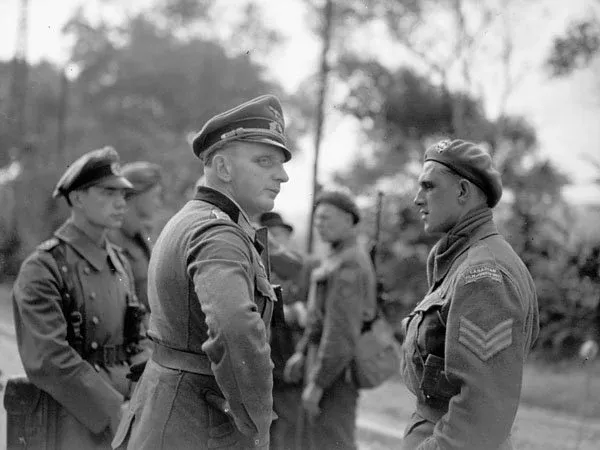
The Cameron Highlanders of Ottawa captured the hilltop at Herquelingue on the 19th but when the North Novas attacked on the 20th they came under fire from the lower slopes of the hill as German defenders remained hidden in its underground passages. Tank fire forced the German surrender on the 21st. On the afternoon of the 22nd of September, messages encouraging the German defenders at Le Portel — the final German held position — to surrender were successful. This capitulation brought Operation Wellhit to an end.
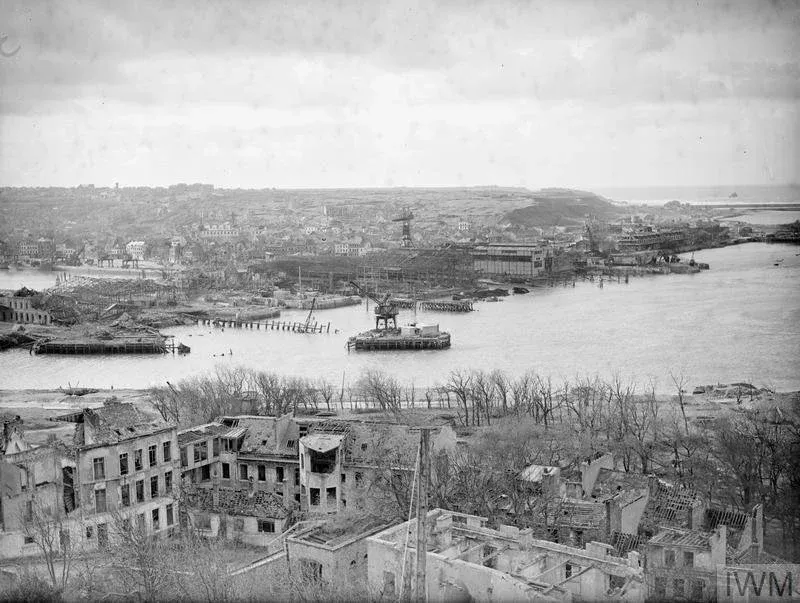
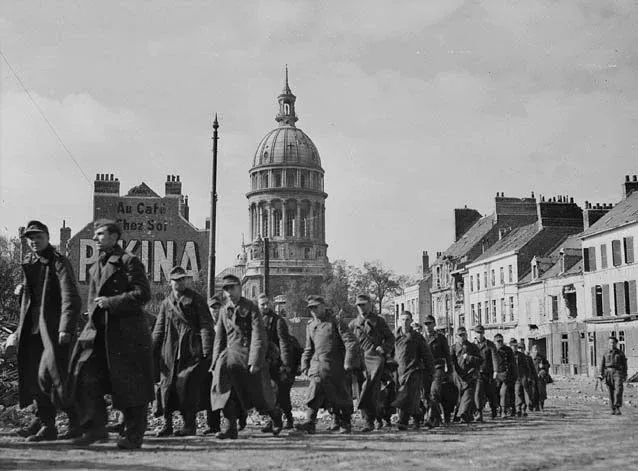
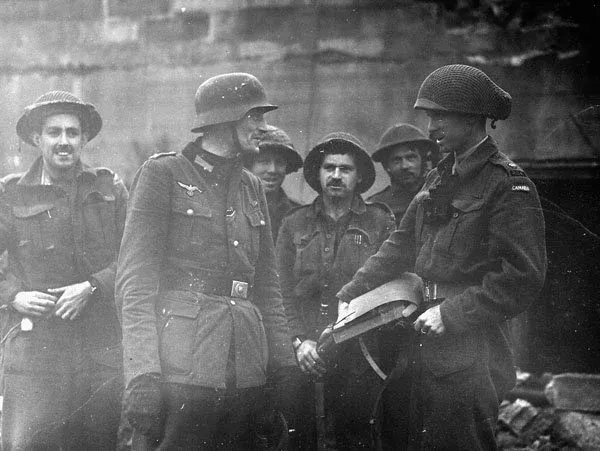
The Canadians took 9,517 German prisoners including 250 wounded. The Canadians took 634 casualties during Wellhit, much of it caused by German artillery. After the capture of the port, it became apparent that harbour facilities were heavily damaged by enemy demolitions and Allied bombing. Boulogne's port remained unusable until the 12th of October 1944.