Operation Cottage
The "Battle" of Kiska and the Aleutians Campaign is certainly among Canada's little discussed, and strangest, operations of the Second World War. It was the Canadian Army's second large contribution to the Pacific Theatre, after the Battle of Hong Kong in December 1941. Kiska involved both the 13th Infantry Brigade and the joint American-Canadian unit, the First Special Service Force. No actual fighting took place as the Japanese evacuated the island before the Allied landings, but American and Canadian troops were still killed and wounded. This "battle" was the last major Canadian Army involvement in the war in the Pacific.
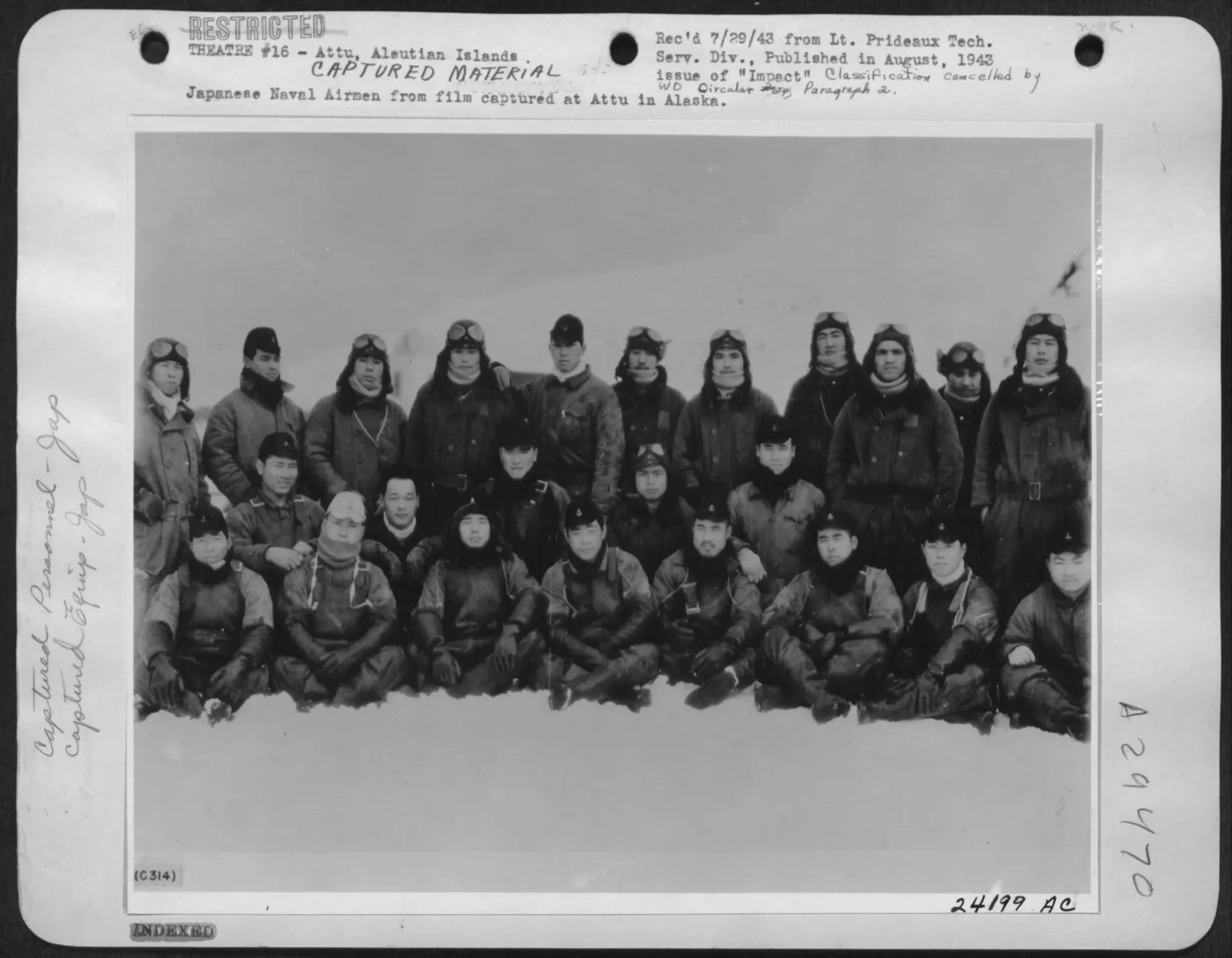
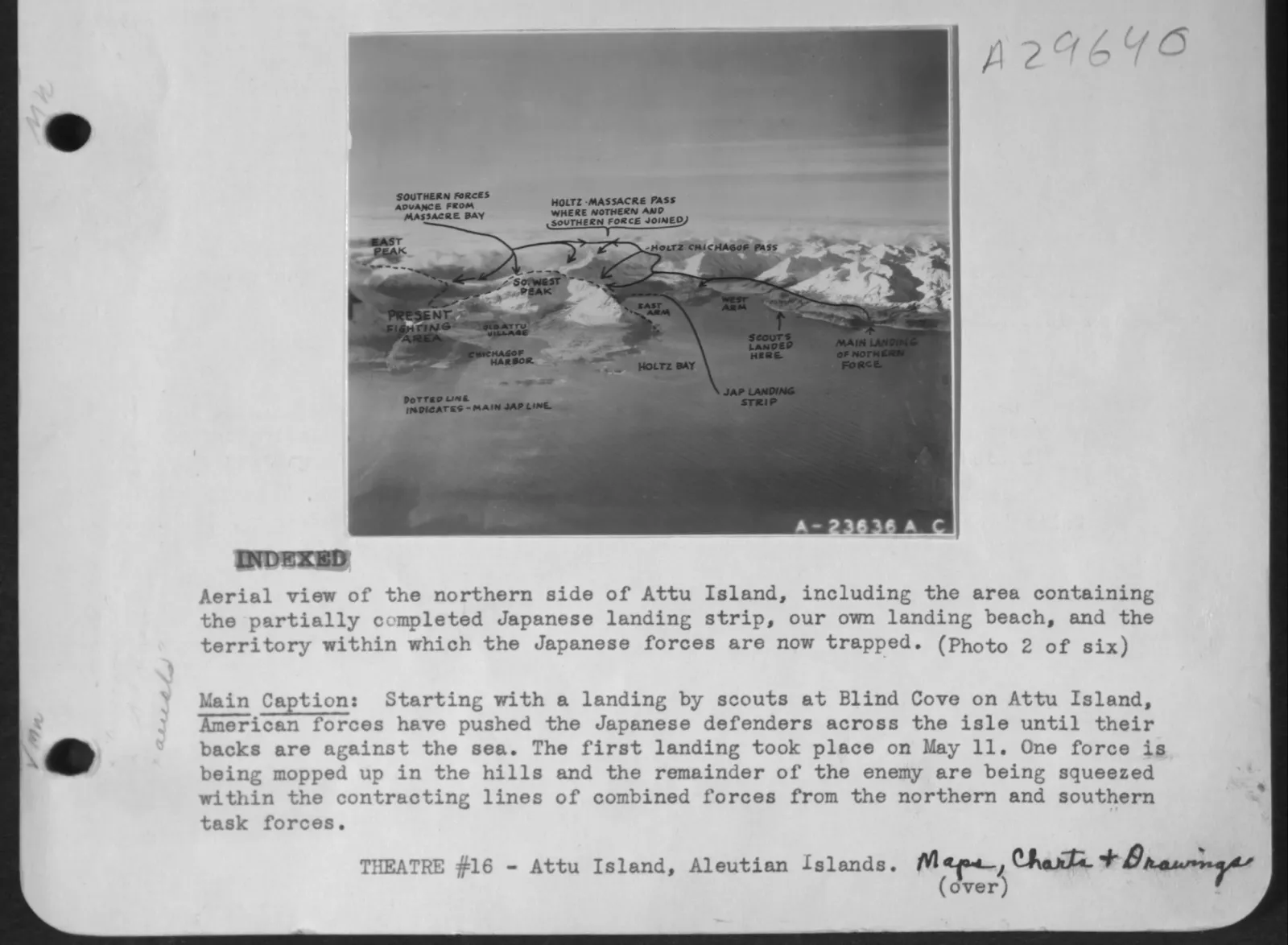
The Japanese Empire had been expanding since December 1941 when it attacked British controlled Malaya and the American Pacific Fleet at Pearl Harbor. The initial Japanese advances captured many European and American colonies in East Asia and the Pacific. The advances came to an end in mid 1942. The next stage of the Japanese advance was a two-pronged attack against American islands in the Pacific. The main attack saw a Japanese carrier force attack the American base on Midway Island in hopes of drawing out American forces in a decisive battle. The surprise attack failed as the Americans knew of the plan beforehand. Following the defeat at Midway, Japanese forces occupied Attu and Kiska in the Aleutian Islands in early June 1942 with no American resistance. The capture of these islands represented the extreme edge of the Japanese advance in the Pacific.
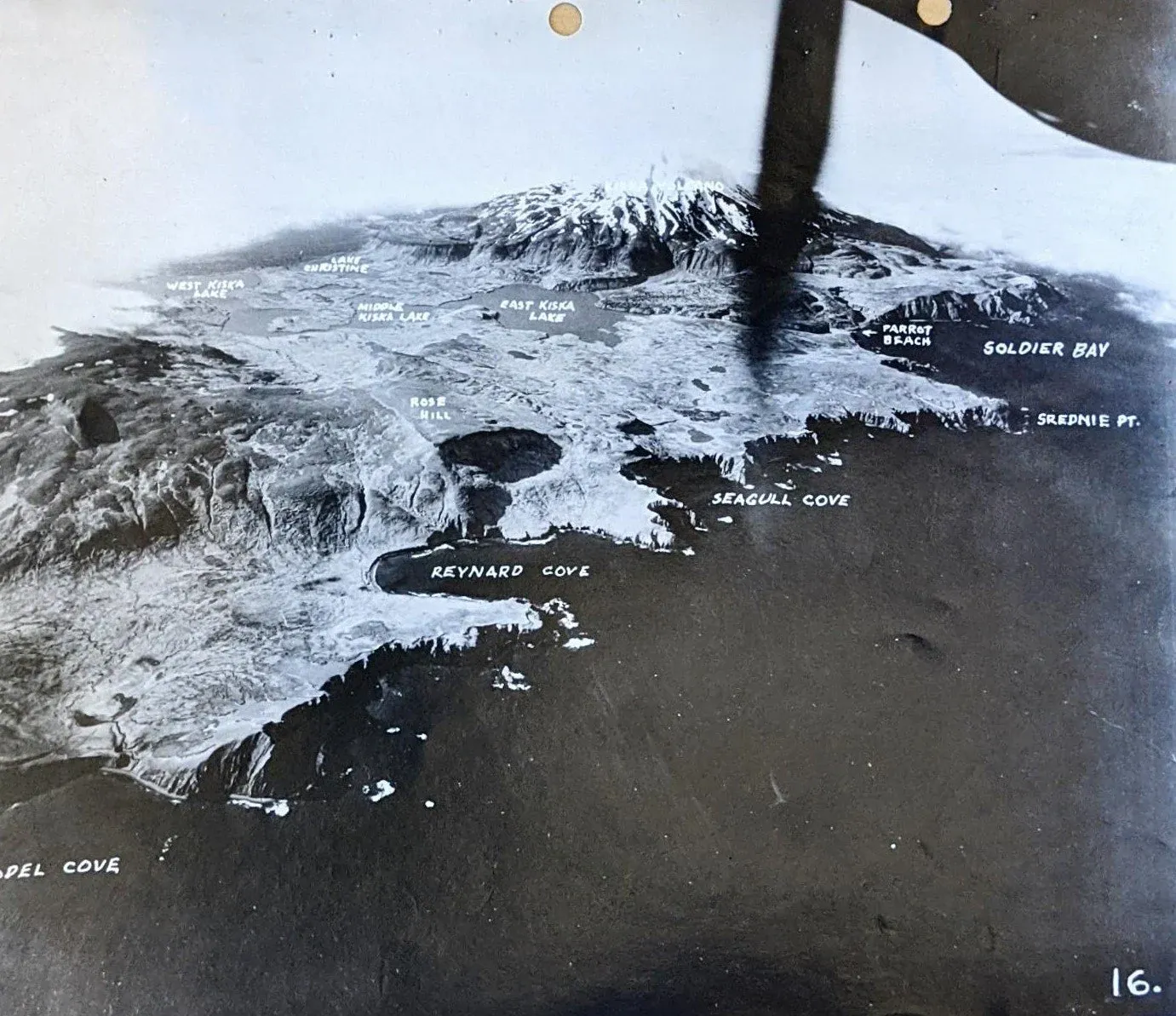
15th of August 1943
"All rose early to the sound of Naval Gunfire. The plan had called for the 'Bell' to lower her landing craft for a fake run into Tom Thumb Cove while the Navy pounded Gertrude Cove. The 'Bell' is shrouded in fog and the Naval bombardment (which was to have been observed fire) is a doubtfull quantity. We are lost in dense fog. Can this be 'D' day?" — War Diary of 13th Infantry Brigade
Invasion of Kiska
The attack on Kiska came in August 1943. Several thousand Canadians participated in the American-led Operation Cottage. The Canadian contribution was the 13th Canadian Brigade of the 6th Division, along with numerous support units such as artillery, engineers, and medical services. These were not the only Canadians involved as it was to be the first combat action of the First Special Service Force, a unit composed of highly trained American and Canadian soldiers. The combined American-Canadian attack on Kiska included 34,426 soldiers, of which 5,300 were Canadian.
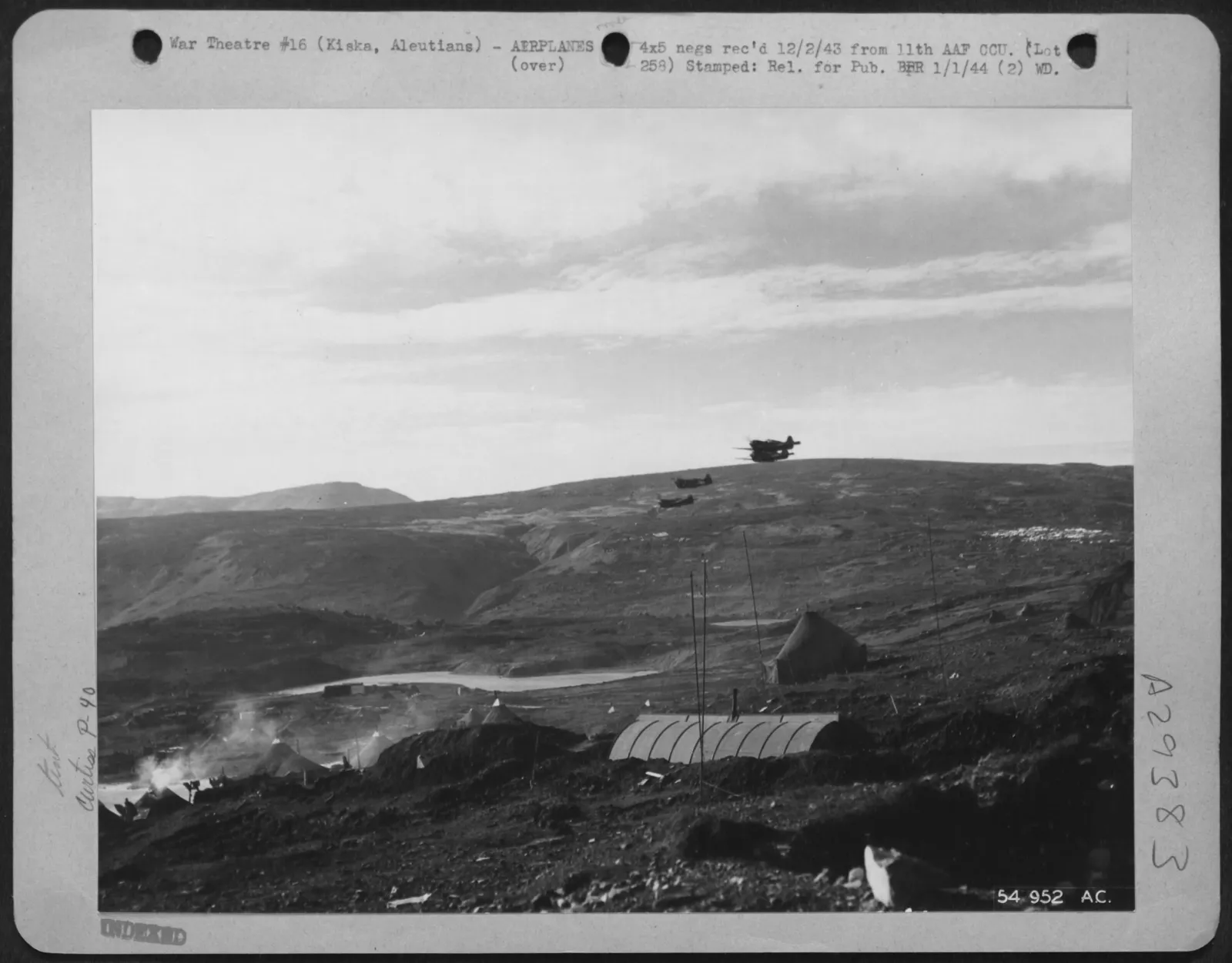
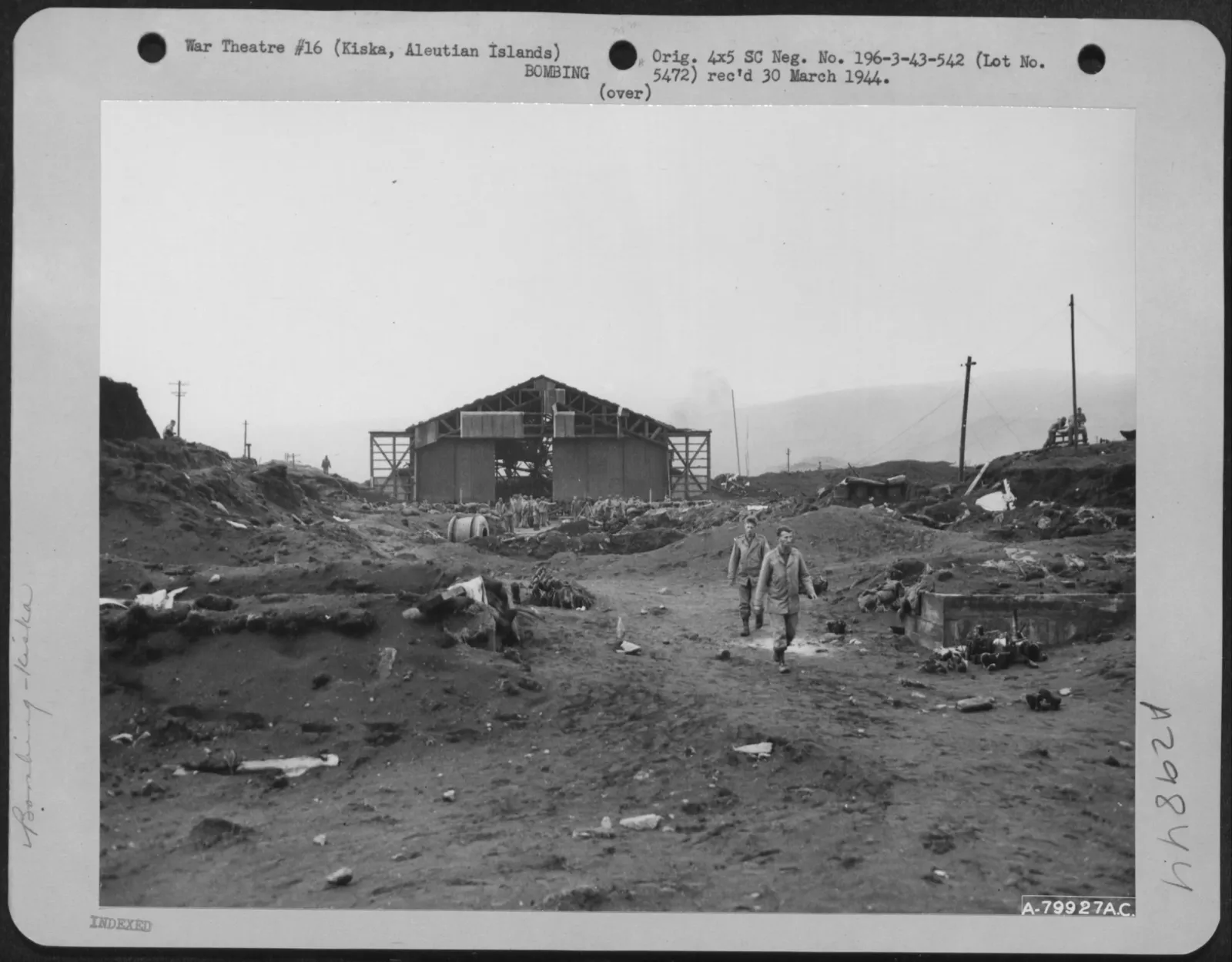
The American commanders were unaware that the last Japanese troops left Kiska on the 28th of July 1943. The first landings by troops of the 7th American Infantry Division on Kiska were launched on the 15th of August 1943 followed by the landings of the 13th Canadian Infantry Brigade on the 16th. The troops quickly discovered that the island had been evacuated. Despite the lack of Japanese soldiers, there still were American and Canadian casualties. Some were wounded and killed in friendly fire as nervous soldiers fired into the fog amongst the confusion. Others were wounded and killed by enemy mines, booby-traps, and explosive ordinance left on the island. The Canadians sustained eight casualties, four dead and four wounded. Total Allied casualties connected to the Kiska landings numbered 313.
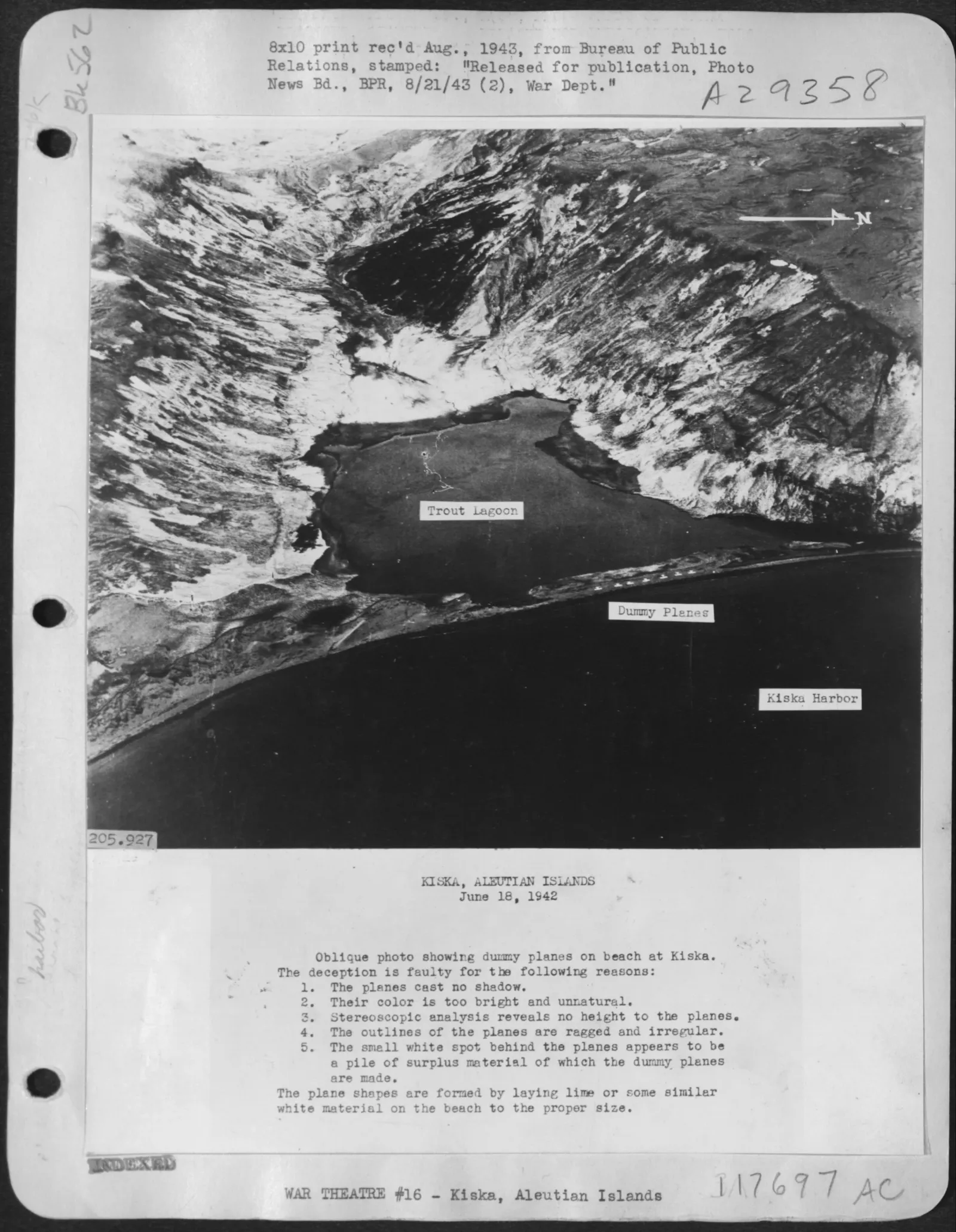
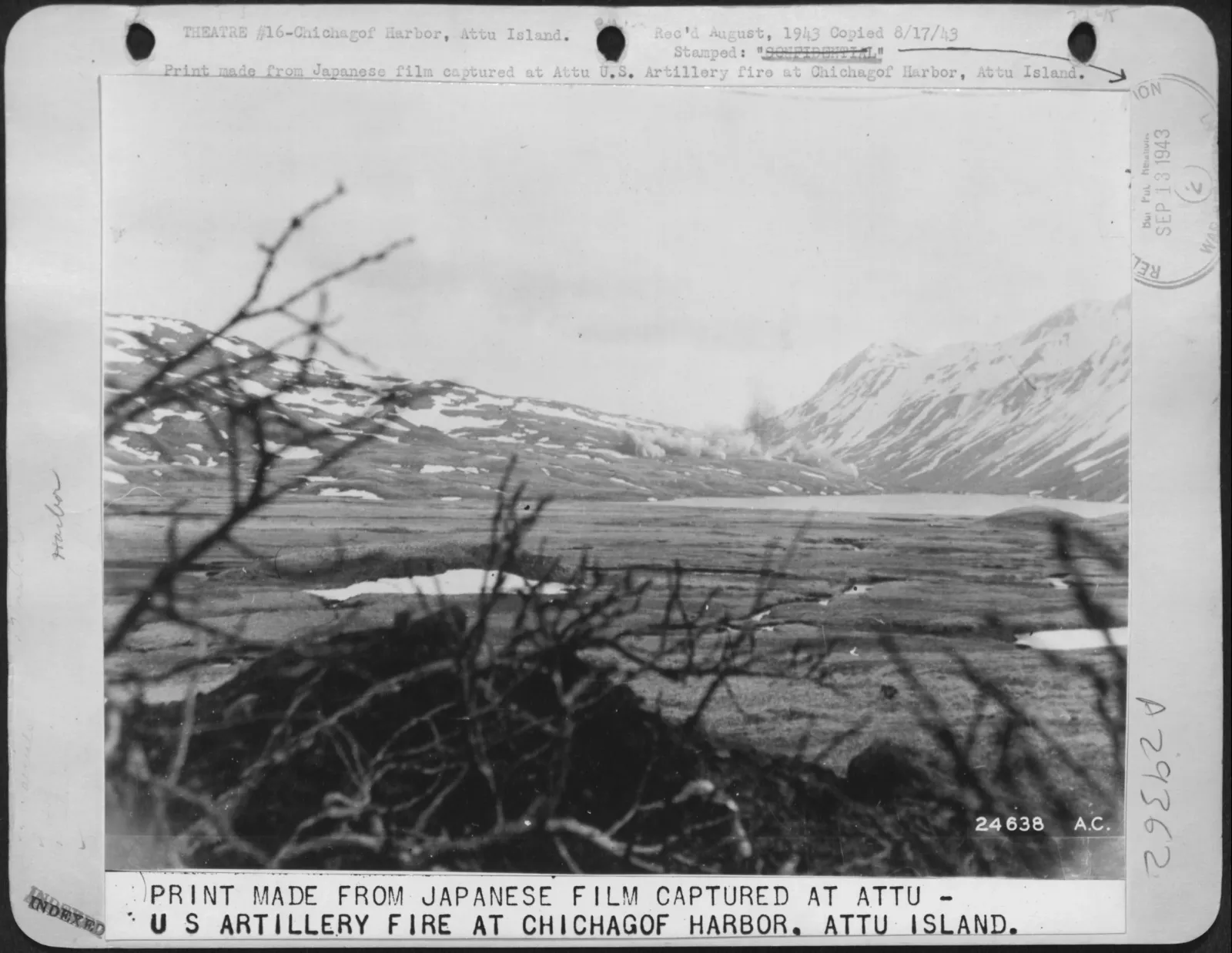
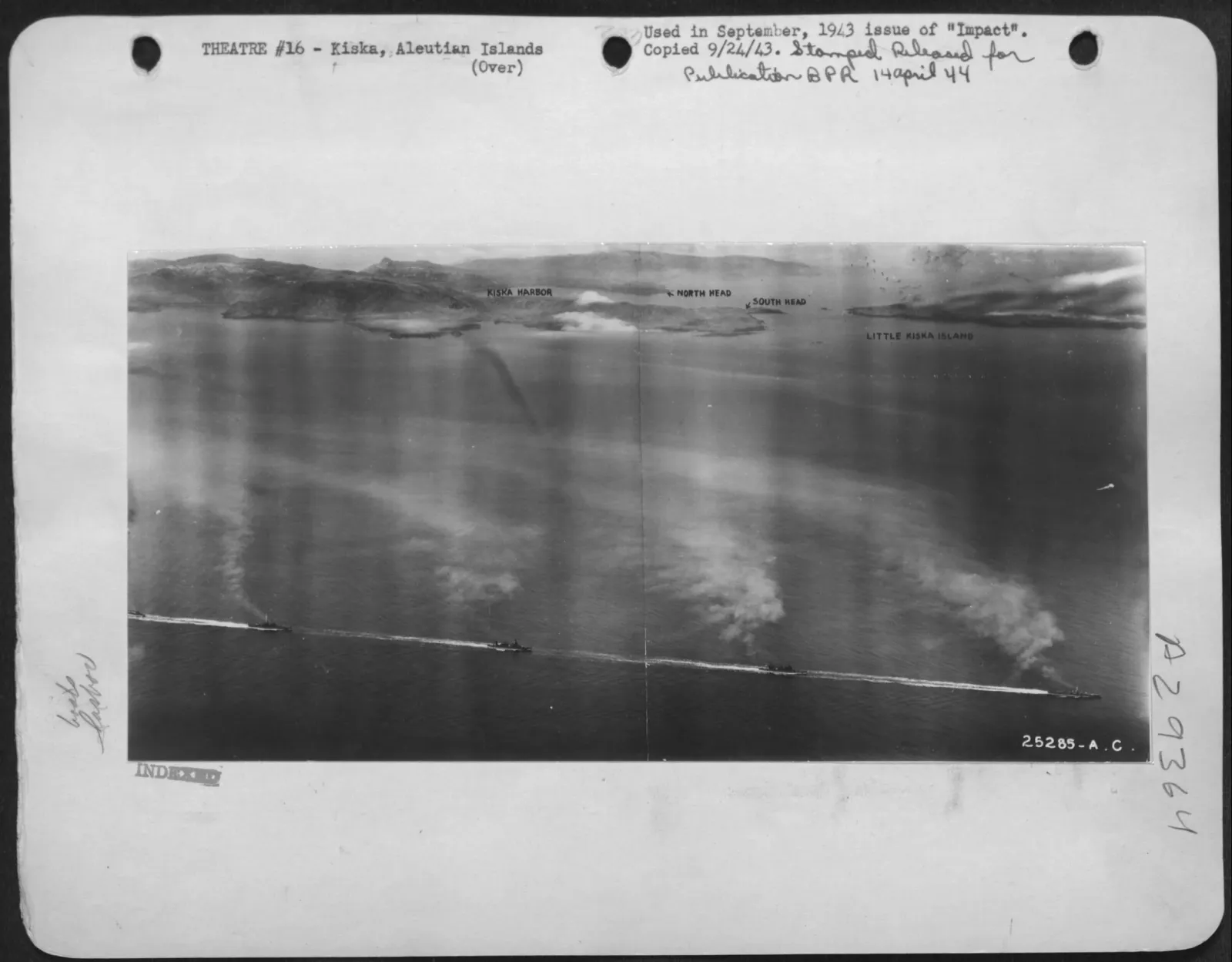
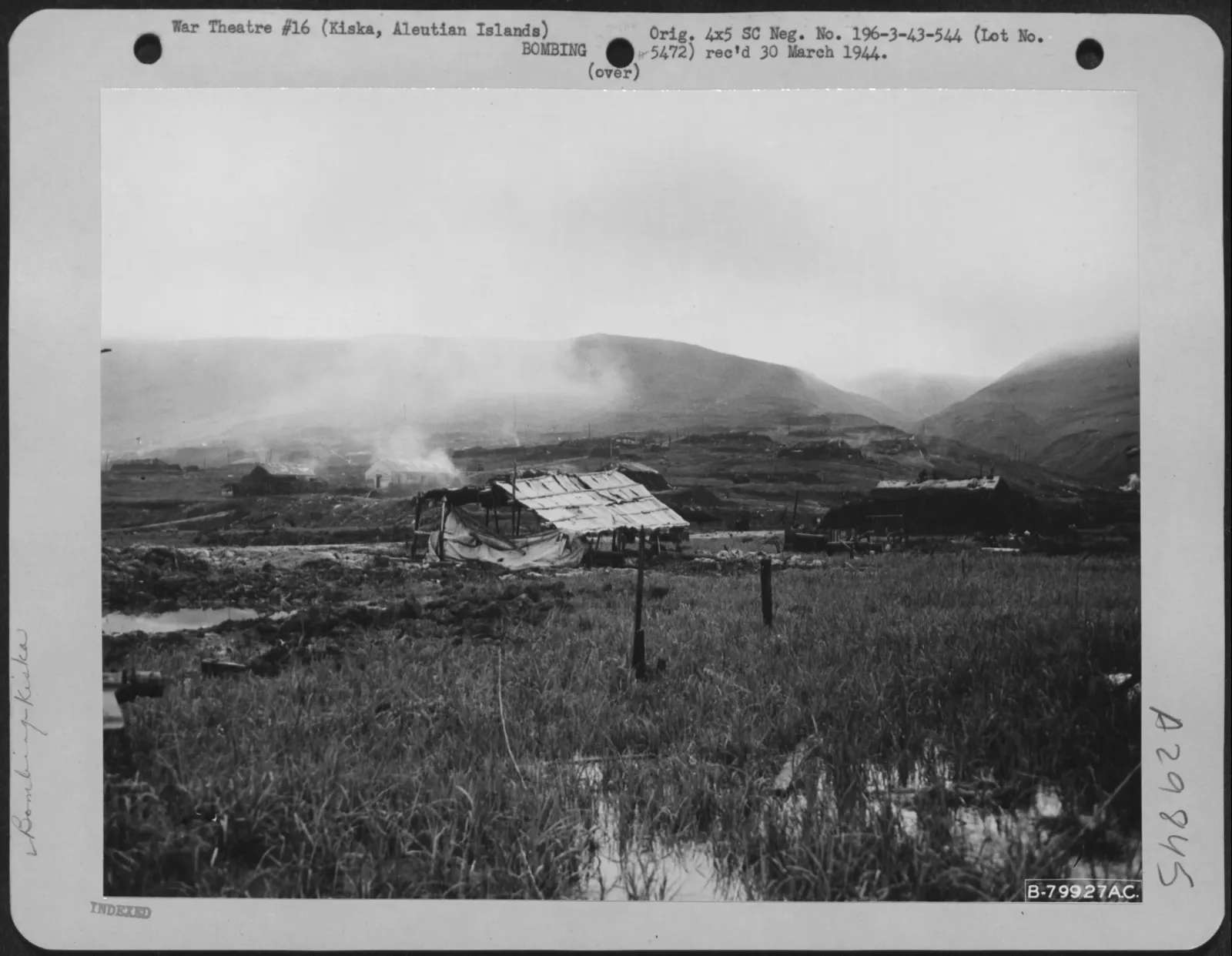
17th of August 1943
"The Special Service Boys, having seized their initial objective (RANGER HILL), had pushed down towards the village of MAIN CAMP. Now, each man of the Special Force carried over 500 rounds of ammunition, and when they reached the village, rich in abandoned Japanese small arms weapons and similar articles, they decided to lighten their original load. The result was that they conducted a field firing exercise in the Valley west of SALMON LAGOON and in front of our troops. After a few brisk exchanges of fire between the 184 and Canadian troops on one side and the S.S.F. on the other (without casualties) the situation clarified itself." — War Diary of 13th Infantry Brigade
Explore the Defences of Kiska Island
22nd of August 1943
"It would be safe to say that not 10% of our force could have answered correctly the question — 'What is the date and the day?' One day seems like another — work goes on just the same." — War Diary of 13th Infantry Brigade
Aftermath
The lack of a battle at Kiska raises the question of what the reaction in Canada would have been had numerous Canadians, especially conscripts, been killed by the Japanese on American soil. Given the issues faced during the two conscription crises, one would think the reaction would have been far from quiet. Colonel C.P. Stacey, the Canadian Army official historian of the Second World War, presented Kiska as a missed opportunity to show what the soldiers conscripted under the National Resources Mobilization Act could do in battle and change the "hostile attitude" that the Canadian public took toward them. This is a rather optimistic view because if the fighting had taken place on Kiska it may have been as difficult and bloody as what happened on Attu. This would have put many conscripts, especially French-Canadians, into combat. Had Kiska been as bloody as Attu, the ramifications on the Canadian home front could have been catastrophic for the government of Prime Minister William Lyon Mackenzie King. More importantly, the Canadian war effort may have suffered from a backlash, particularly in Quebec, due to many conscripts being killed or wounded on foreign soil. Canada was fortunate that the Japanese abandoned Kiska without a fight.
Operation Cottage Story Map
Resources
The following primary source documents were used in this project and are available for download:
- Photograph Intelligence Report on Japanese Anti-Aircraft and Coastal Defense Guns
- Photograph Intelligence Report on Japanese Military Buildings
- Combat Narrative: The Aleutians Campaign
Support the Project
Buy a Map
We sell dozens of authentic maps covering D-Day, Monte Cassino, Dieppe, Market Garden and more — high resolution scans of original maps from the archives. Each map is printed on high quality paper ready for framing. 100% of proceeds are directed back to the project.