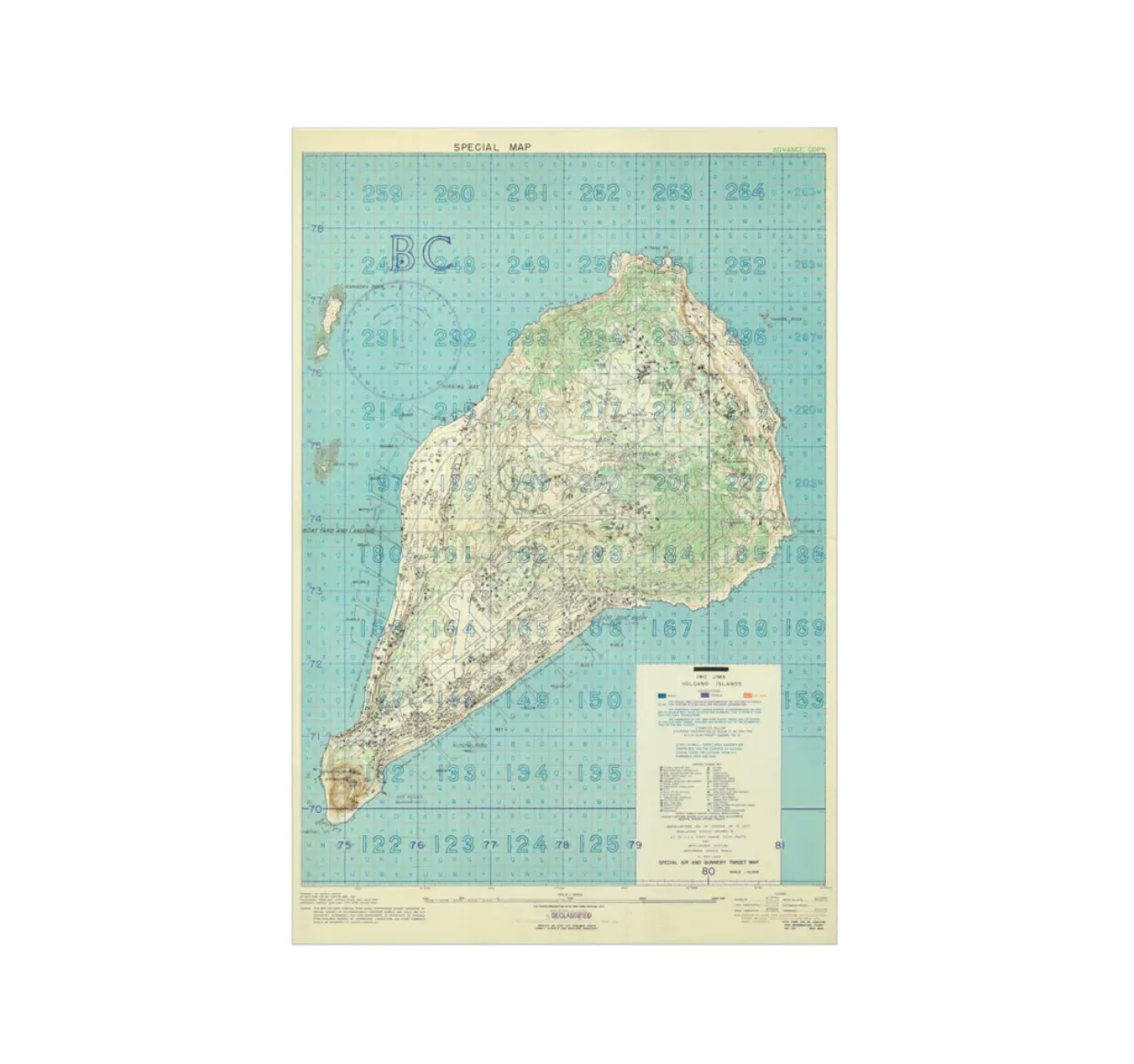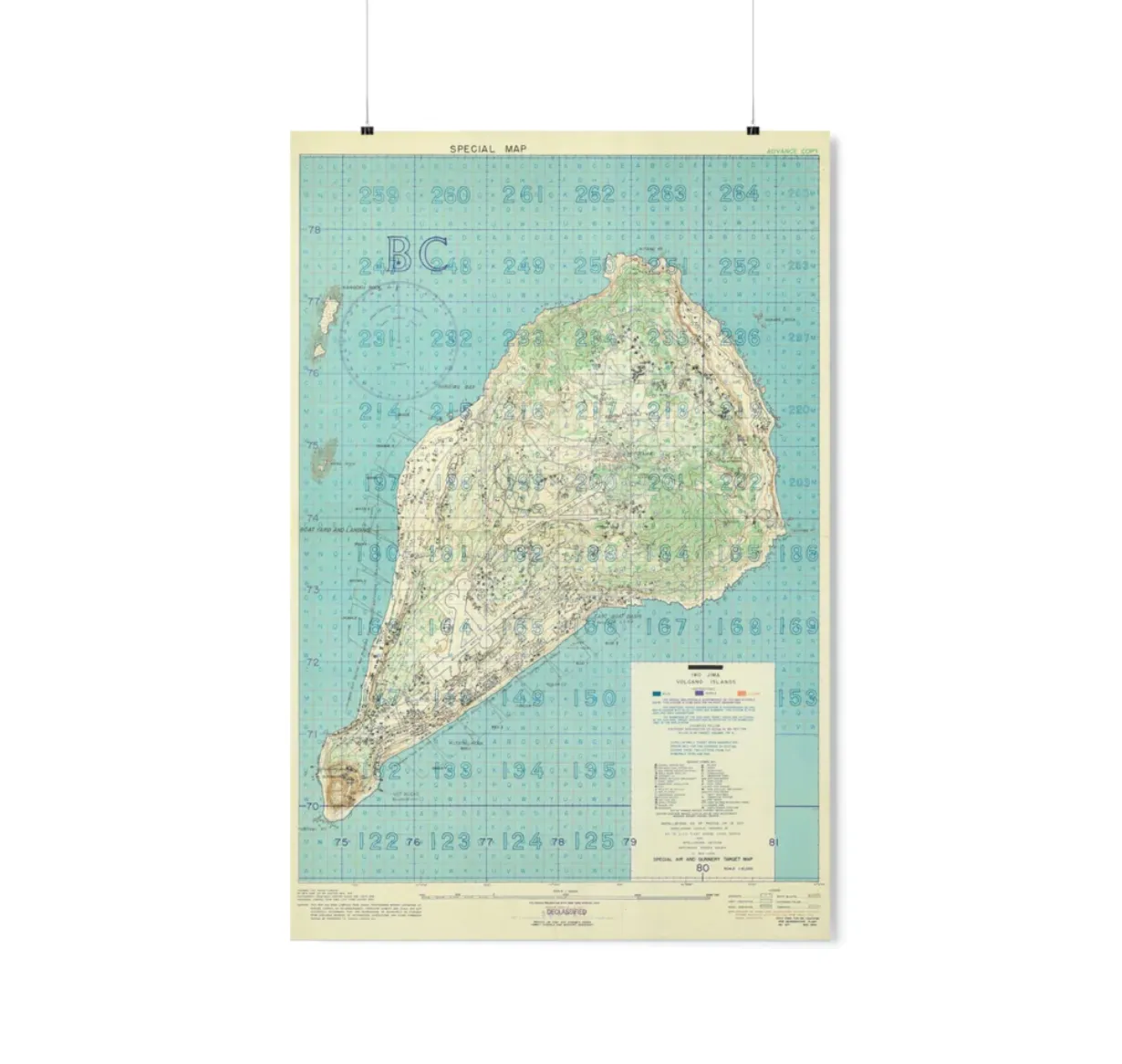
Battle of Iwo Jima
The Battle of Iwo Jima was a major conflict in World War II that took place between February and March 1945. The battle was fought between the United States and Japan, with the United States ultimately emerging as the victor. The battle was a significant moment in the war and had far-reaching consequences for both sides.
Iwo Jima, also known as Iwo To, is a small island located approximately 750 miles south of Tokyo. The island was of strategic importance to both the United States and Japan due to its location. The United States wanted to capture the island in order to use it as a base for launching air raids against the Japanese mainland. The Japanese, on the other hand, saw the island as a critical defensive position and were determined to hold it at all costs.
The United States launched a massive amphibious assault on the island on February 19, 1945, with the intention of quickly capturing it. The assault was led by General Holland M. Smith and was supported by a massive naval and air bombardment. The initial assault was successful, with the United States quickly securing a beachhead on the island.
However, the Japanese had prepared extensive defensive positions on the island and were determined to fight to the death. The battle quickly turned into a brutal and bloody fight, with both sides suffering heavy casualties. The Japanese were able to hold out for longer than expected, thanks in part to the complex network of tunnels and bunkers that they had built on the island.
The fighting on Iwo Jima was intense and brutal, with both sides suffering heavy casualties. The United States suffered more than 26,000 casualties, including more than 6,800 deaths. The Japanese suffered even heavier losses, with an estimated 20,000 soldiers killed and only 216 taken prisoner.
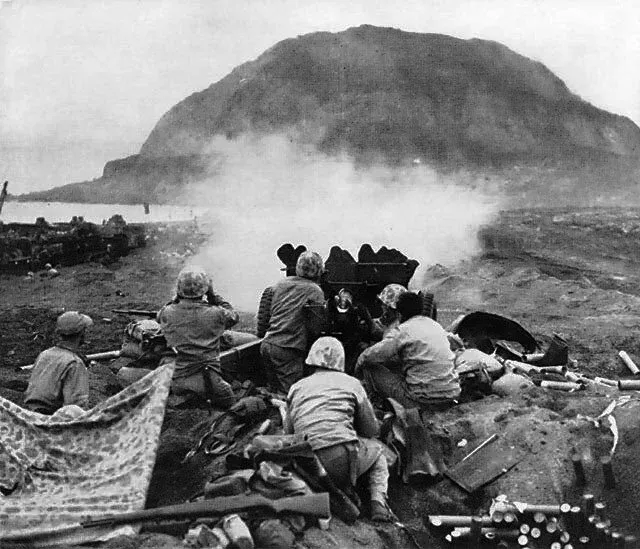
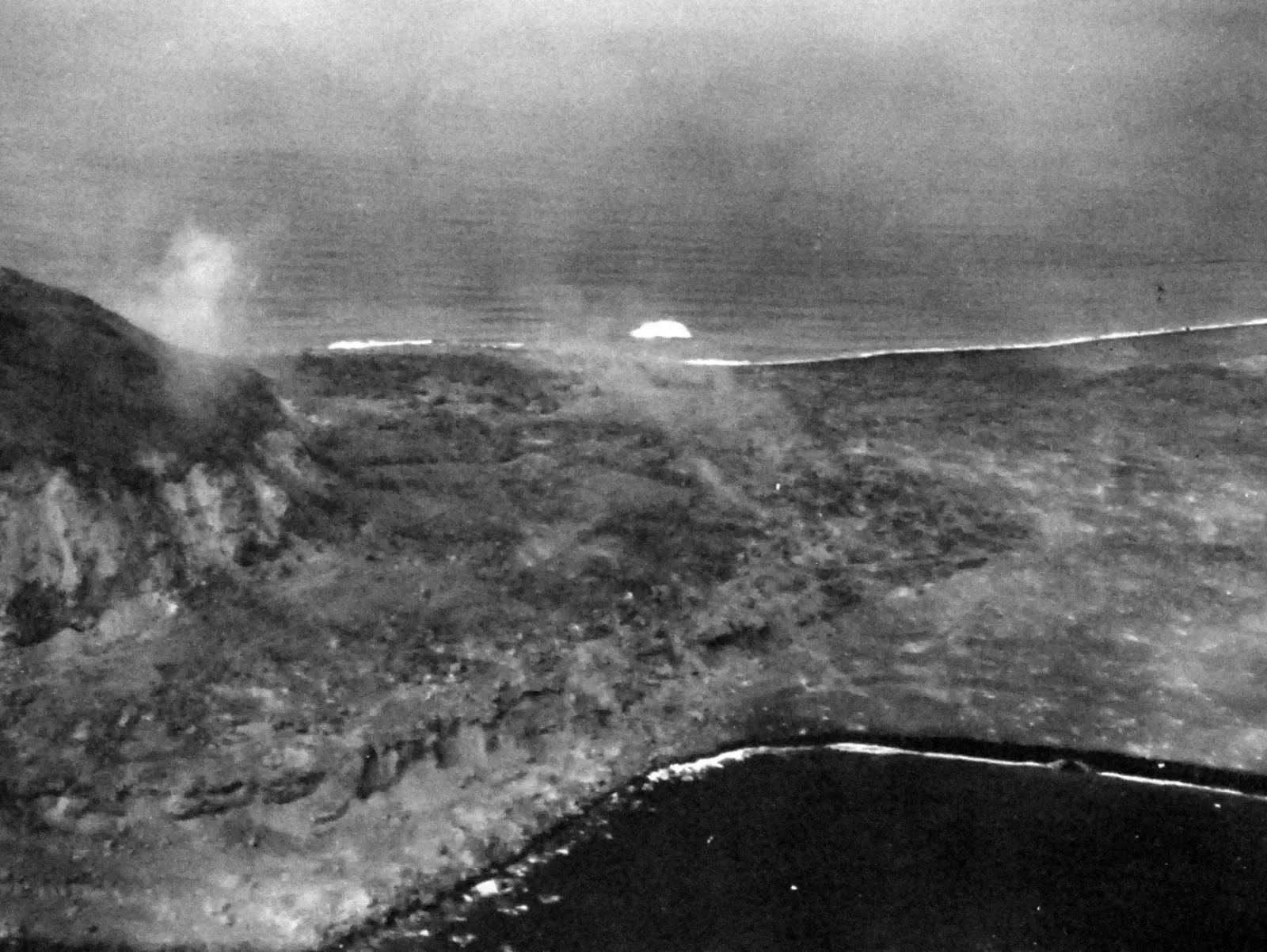
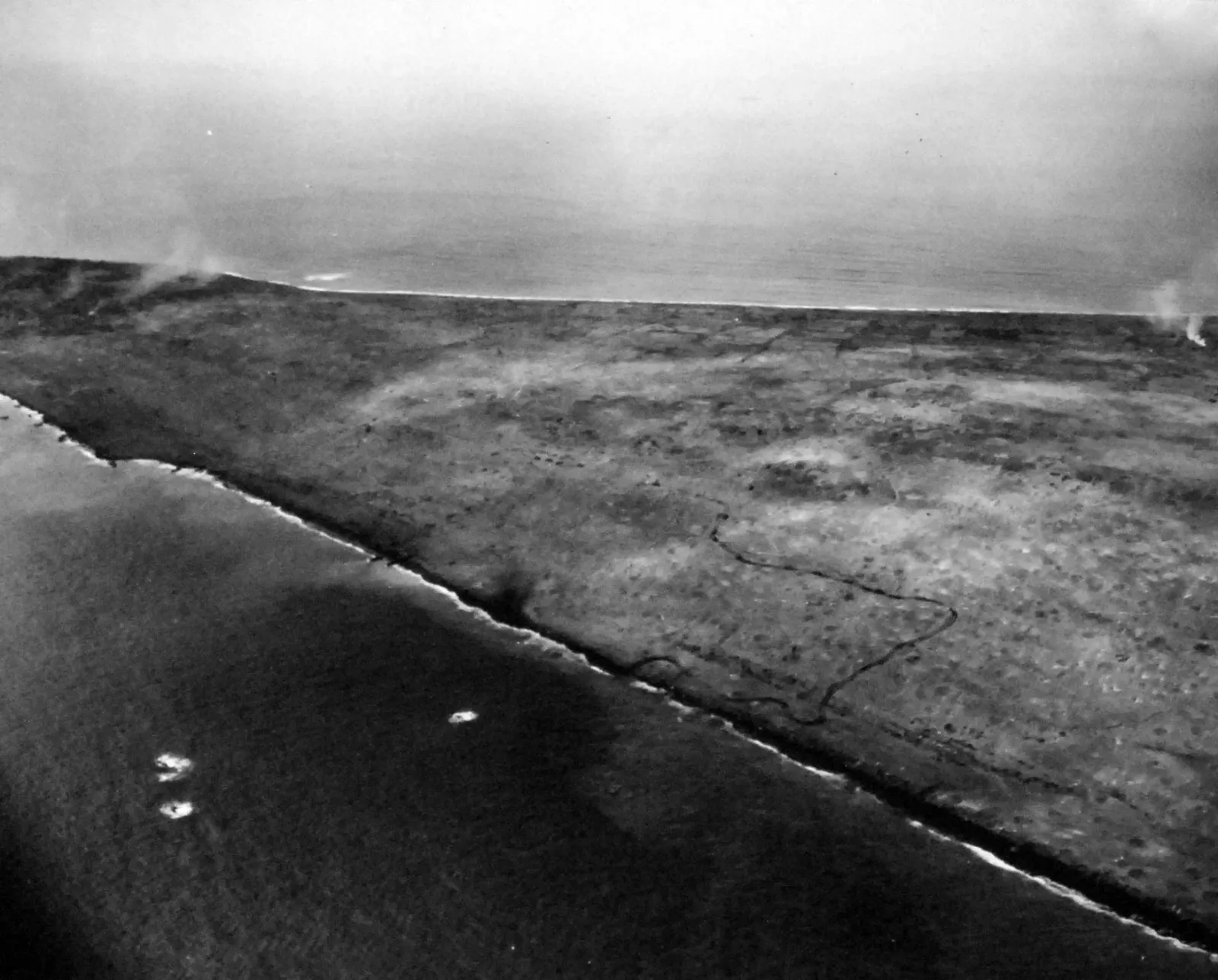
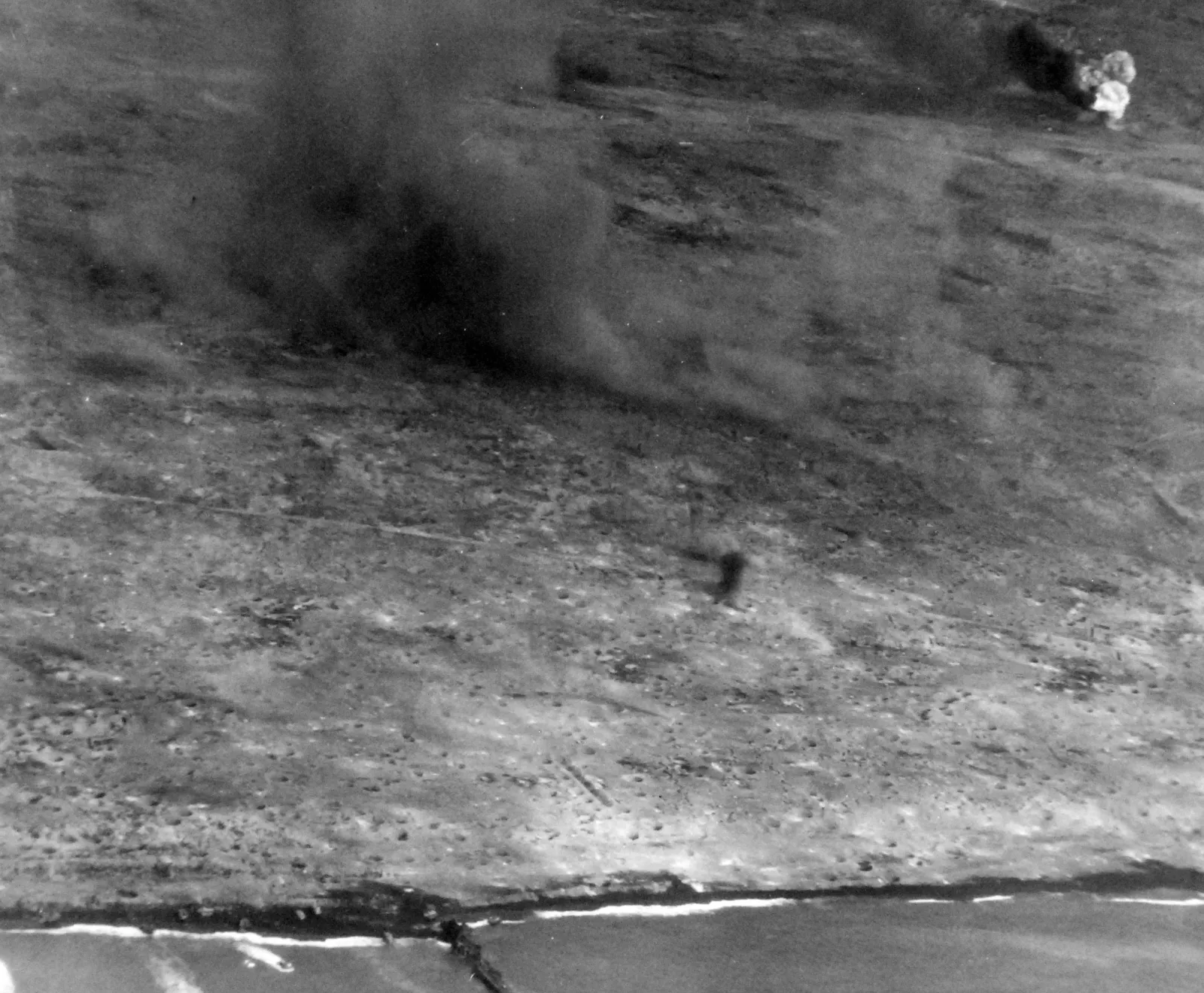
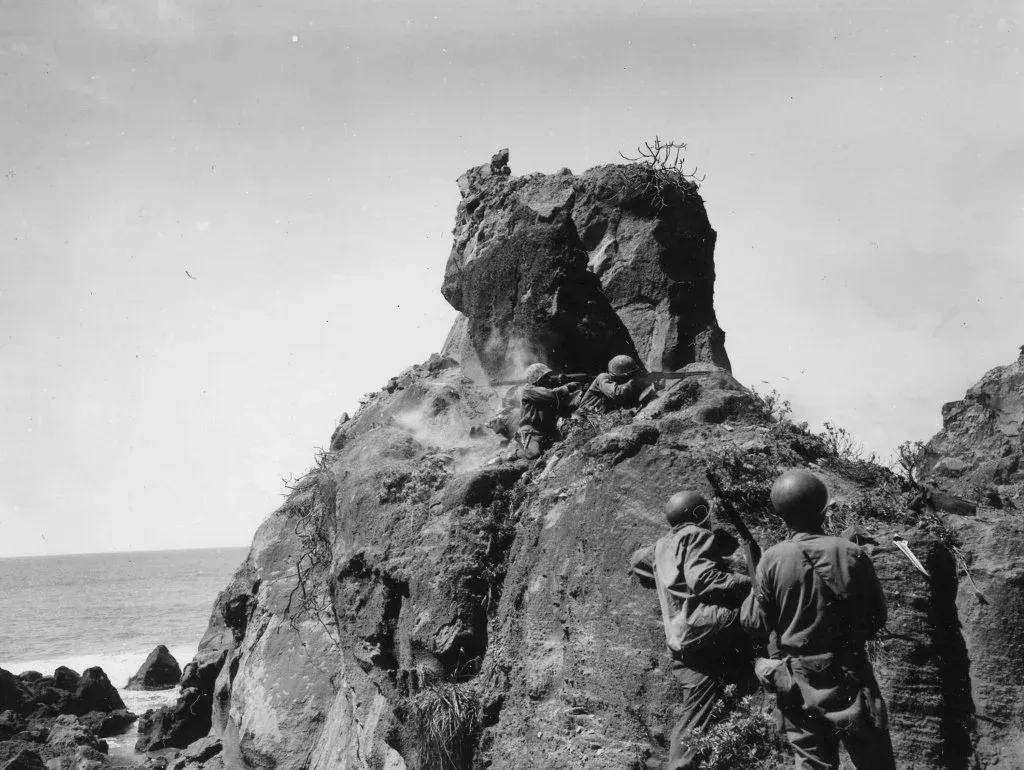
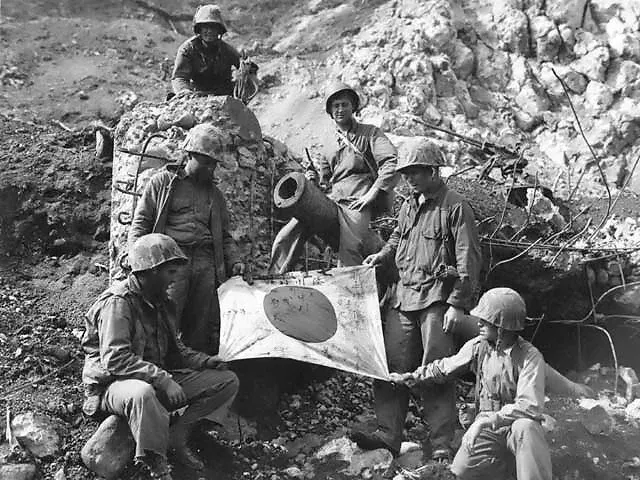
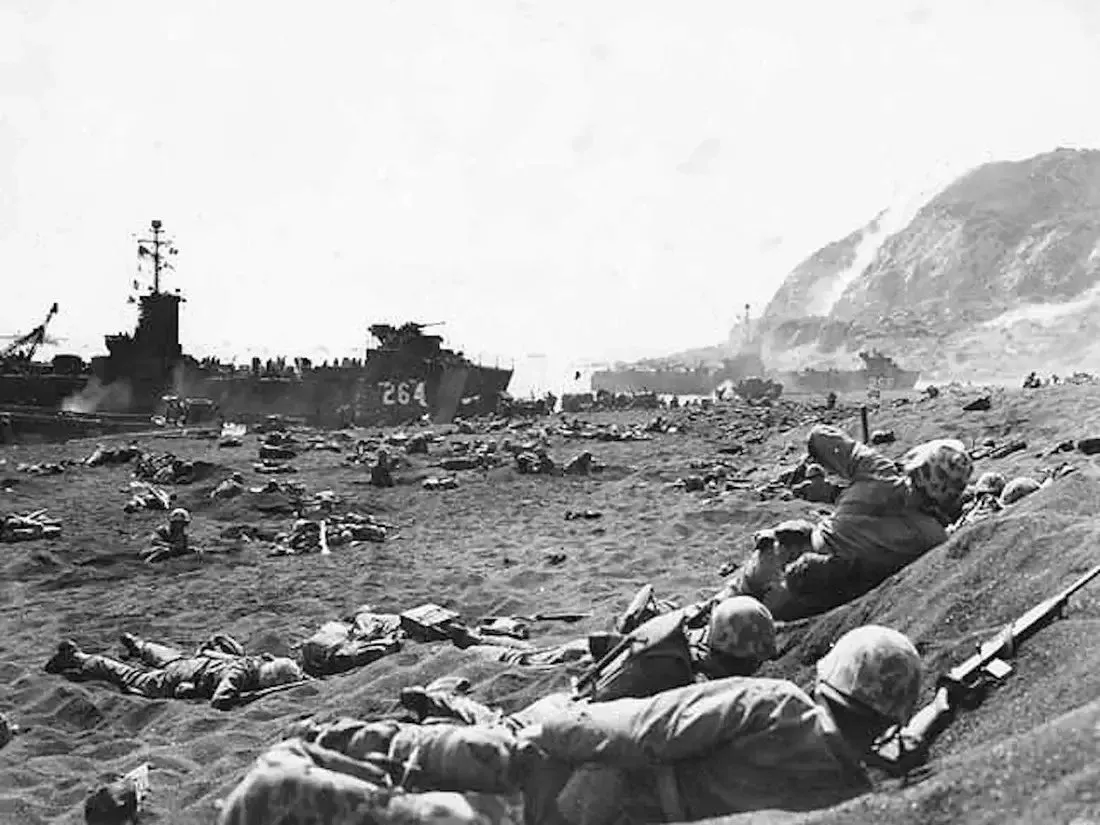
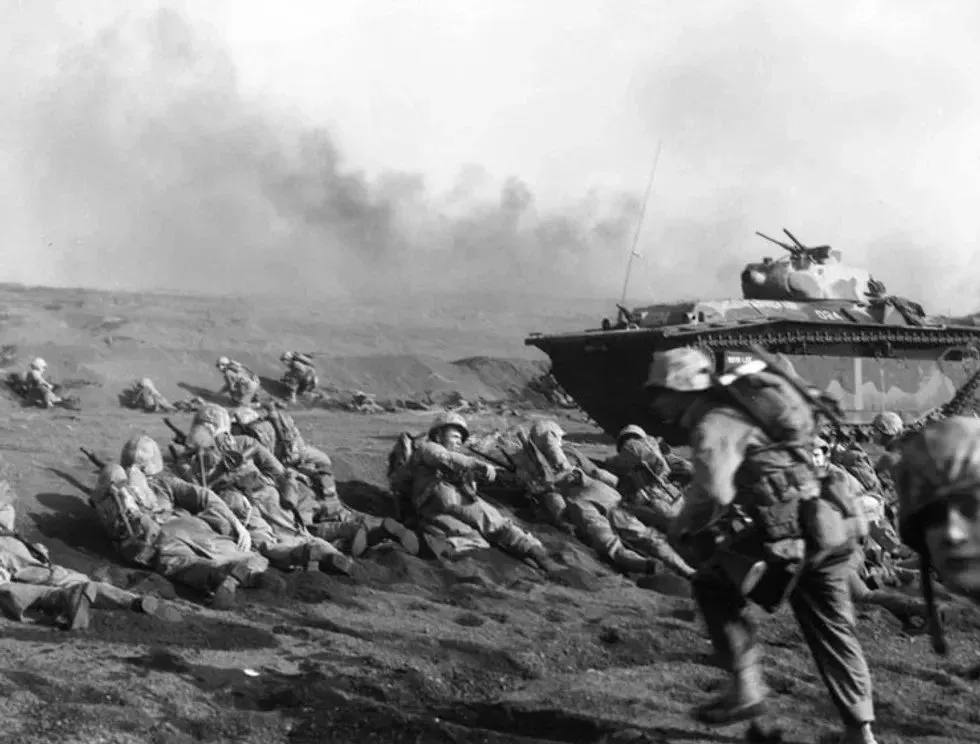
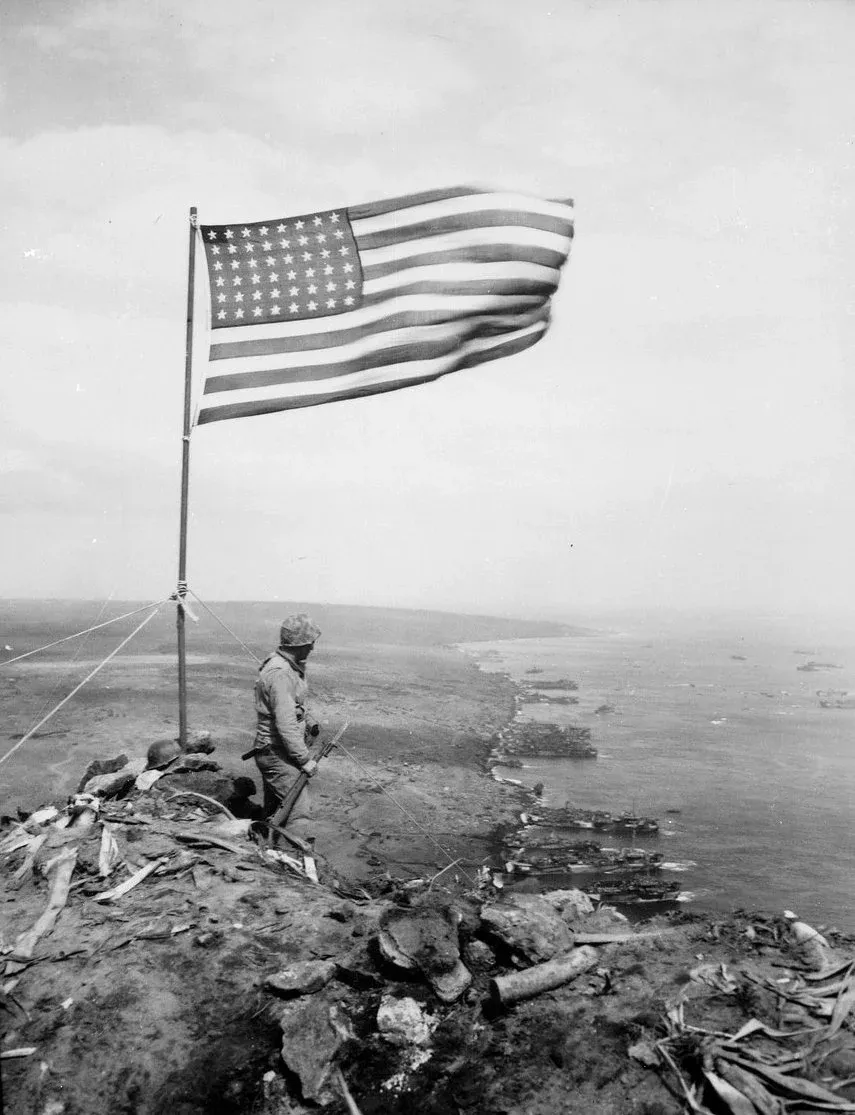
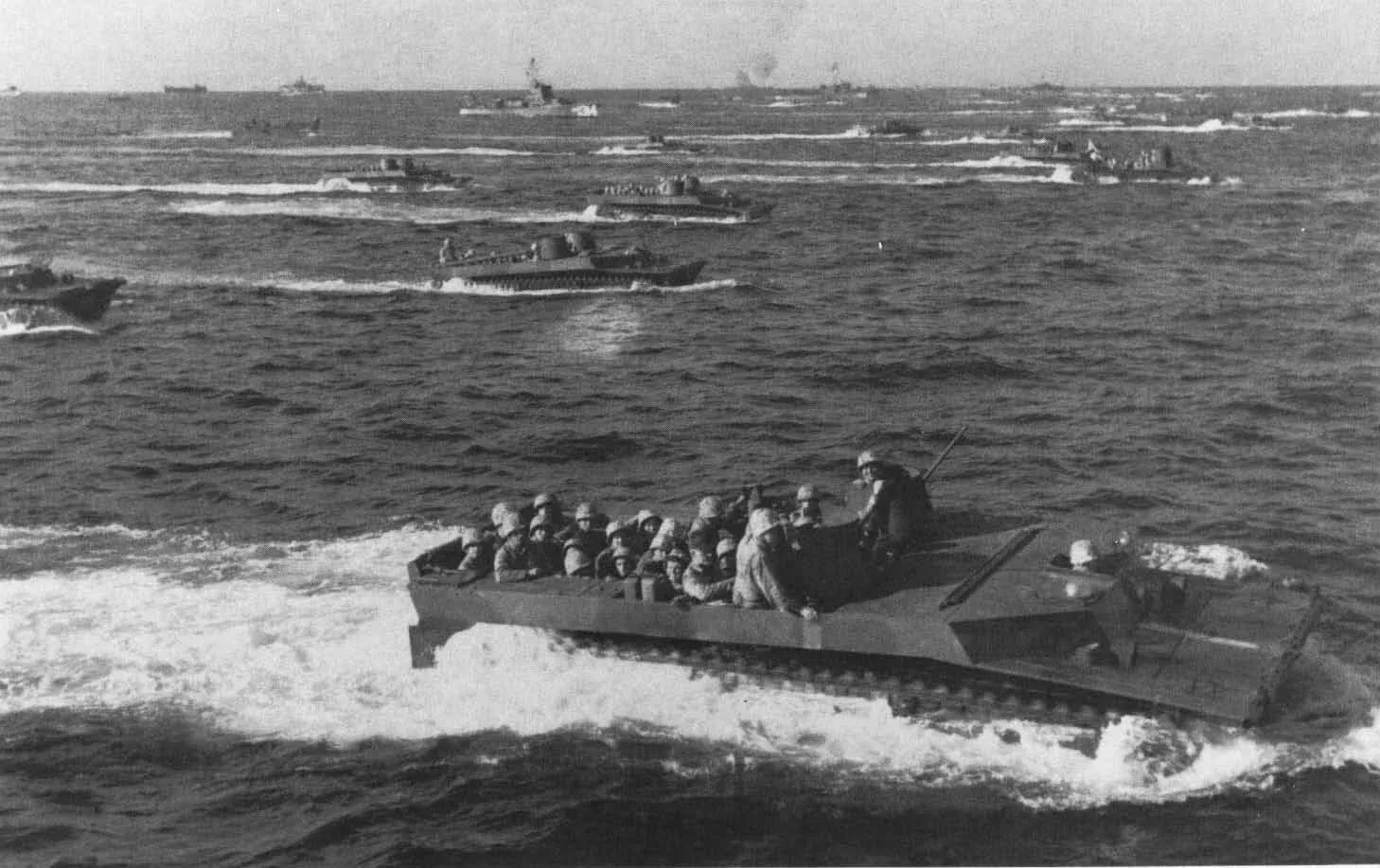
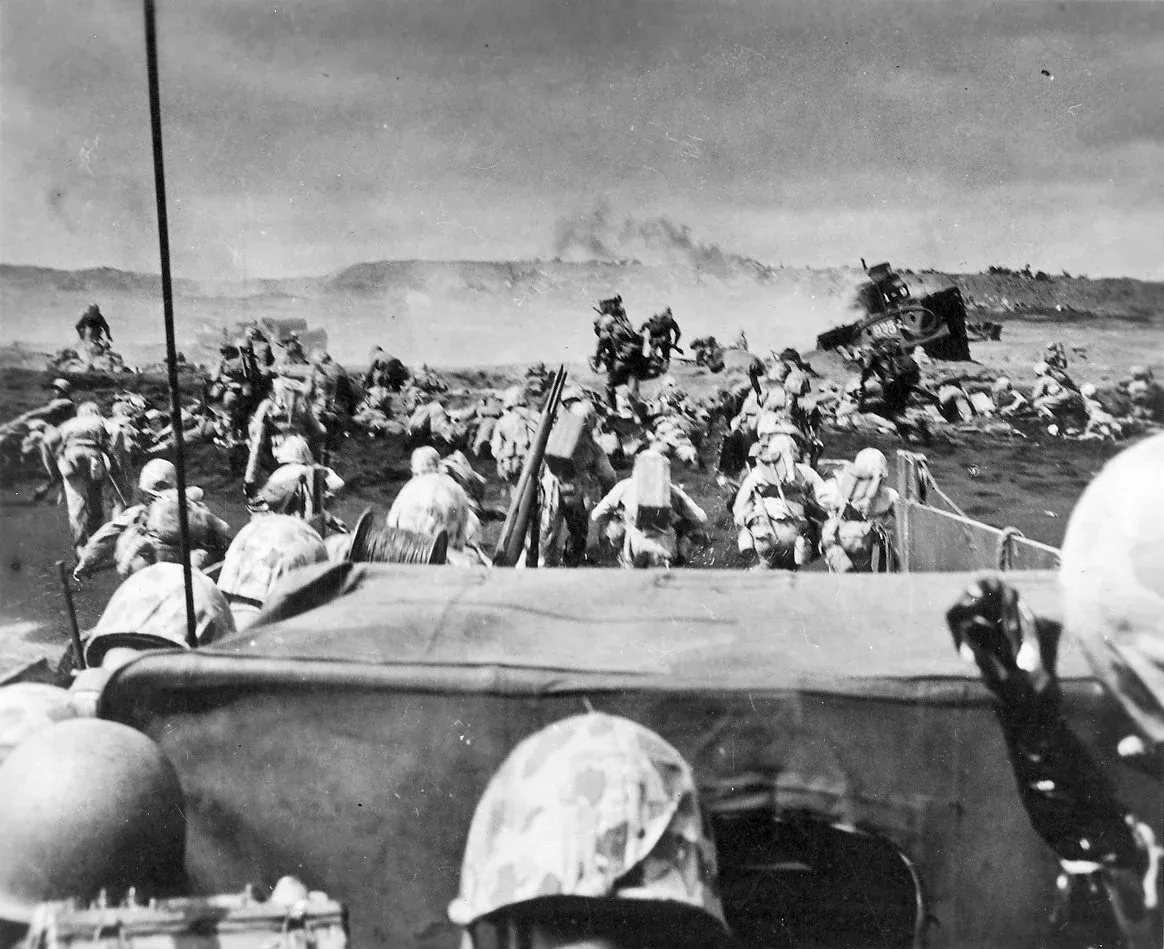
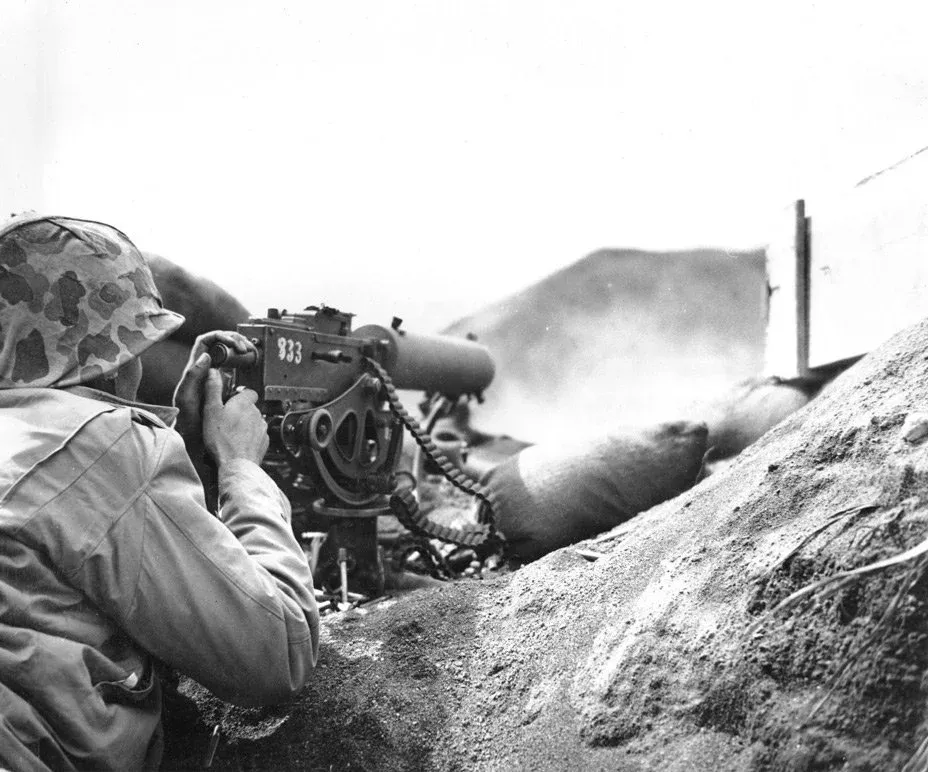
Despite the heavy casualties, the United States was ultimately able to secure a victory on Iwo Jima. On March 26, 1945, the last of the Japanese resistance was finally crushed, and the island was declared secured. The victory was a major turning point in the war and was seen as a major blow to the Japanese military.
The Battle of Iwo Jima is remembered as one of the most iconic and significant moments of World War II. The iconic photograph of the raising of the American flag on Mount Suribachi, which was taken during the battle, has become one of the most recognizable images of the war. The battle is also remembered for the bravery and sacrifice of the soldiers who fought and died there.
The Battle of Iwo Jima was a turning point in the war and had far-reaching consequences for both sides. The United States was able to use the island as a base for launching air raids against the Japanese mainland, which helped to bring the war to a close. The Japanese, on the other hand, were dealt a major blow and were unable to recover from the loss of the island. The battle was a brutal and costly conflict, but it was a crucial moment in the war that ultimately led to the Allied victory.