By David O'Keefe
Aided by the novel use of searchlights, whose beams were bounced off low-hanging clouds to create an “artificial” moonlight, Simonds’s infantry battalions from the 2nd and 3rd Canadian Infantry Divisions surged forward in the first phase of the operation. Designed as a grinding battle of attrition by its architect, 2nd Canadian Corps Commander Lt.Gen Guy Simonds (operating under command of General Miles Dempsey’s Second British Army), the objective of this complex and overly complicated operation based on a strict and unyielding timetable was two-fold – capture Verrières Ridge, a tactically dominating piece of ground south of Caen and punch a breach in the main German defence line in the eastern part of the Normandy bridgehead. This breach would permit two British Armoured divisions (7th Armoured and Guards Armoured) to pour through and imperil Hitler’s beloved 1st SS (Leibstandarte) Panzer Division and lure the Germans into battle.
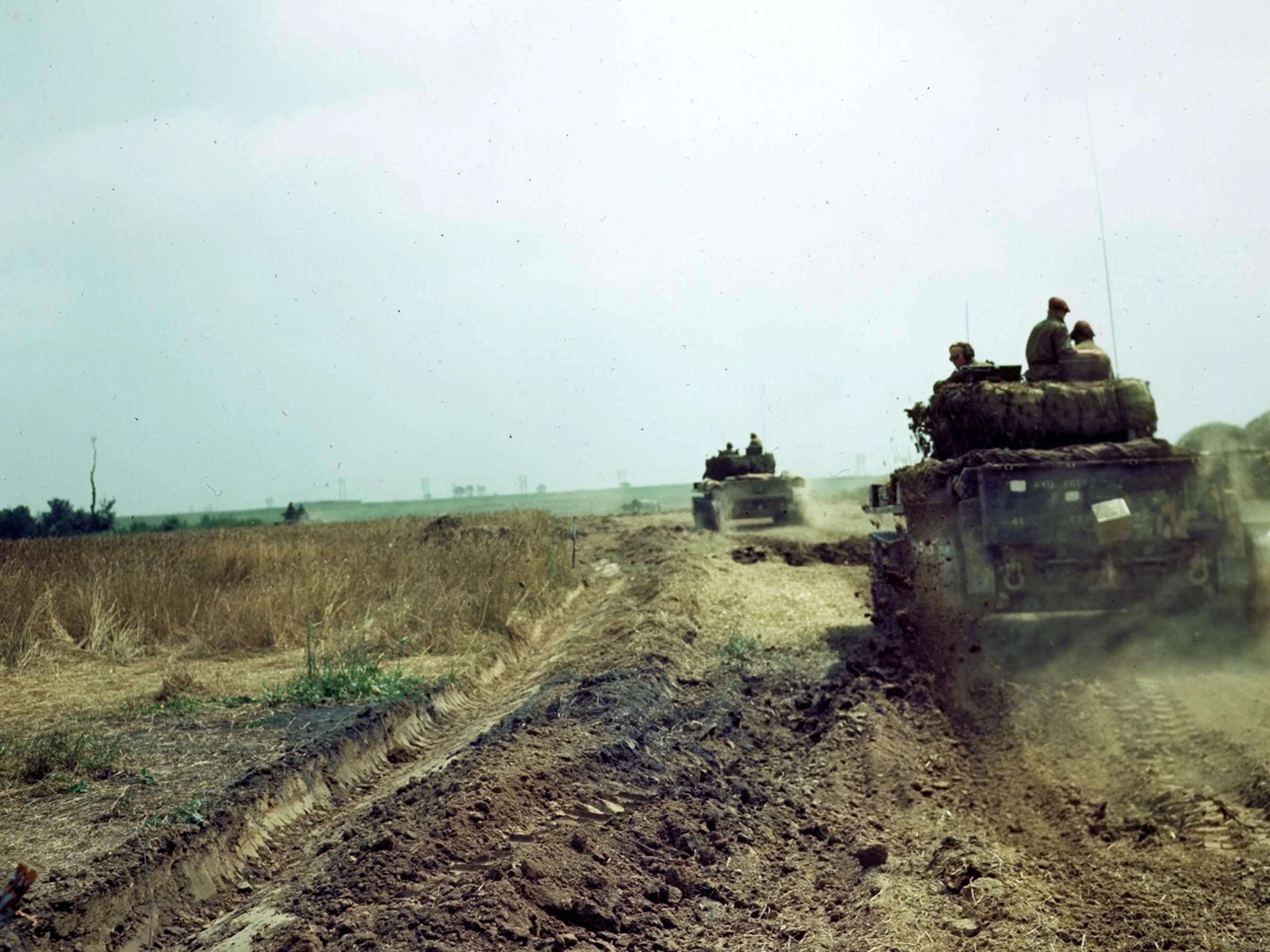
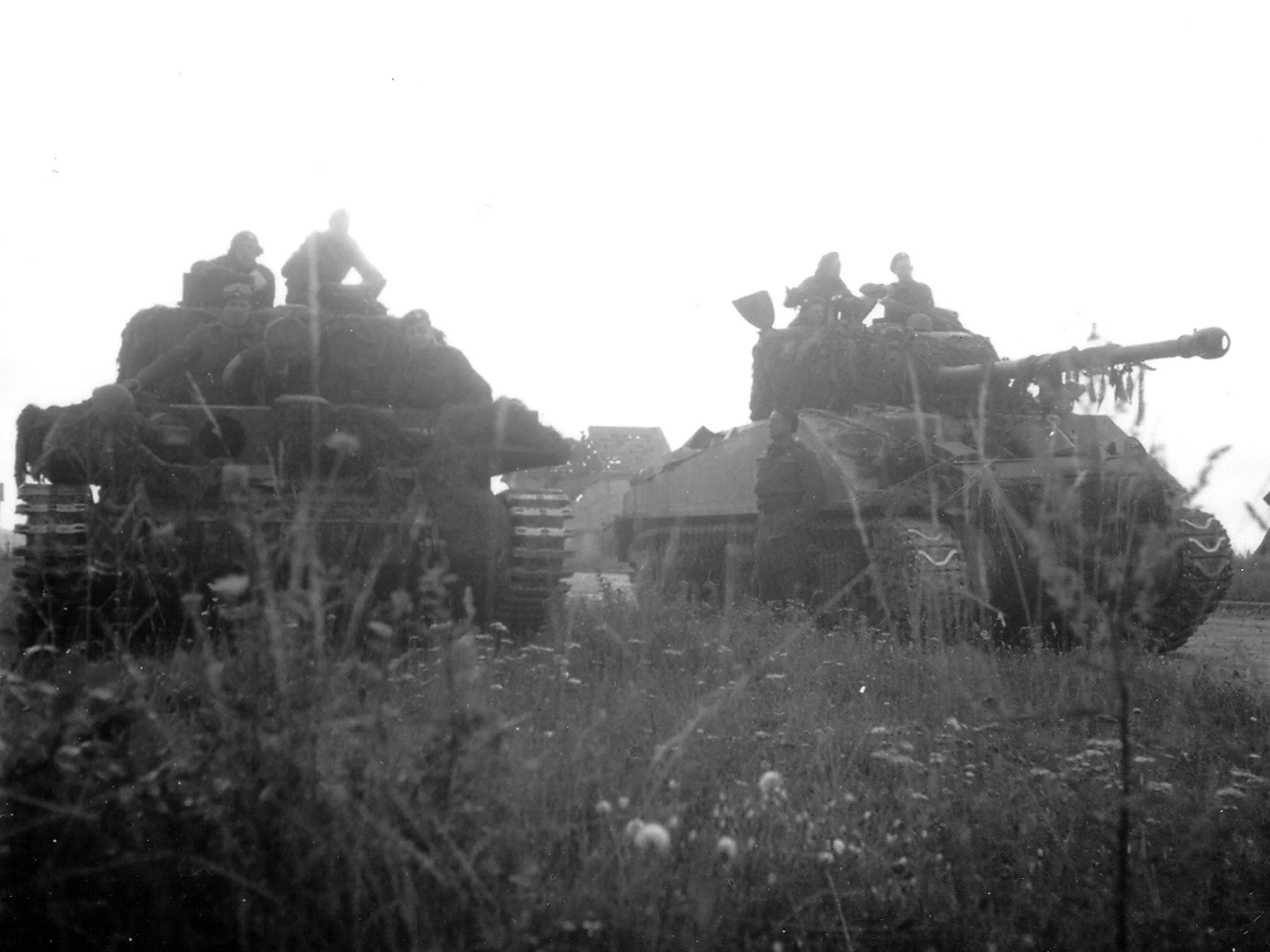
7th ARMD DIV
LAC/DND
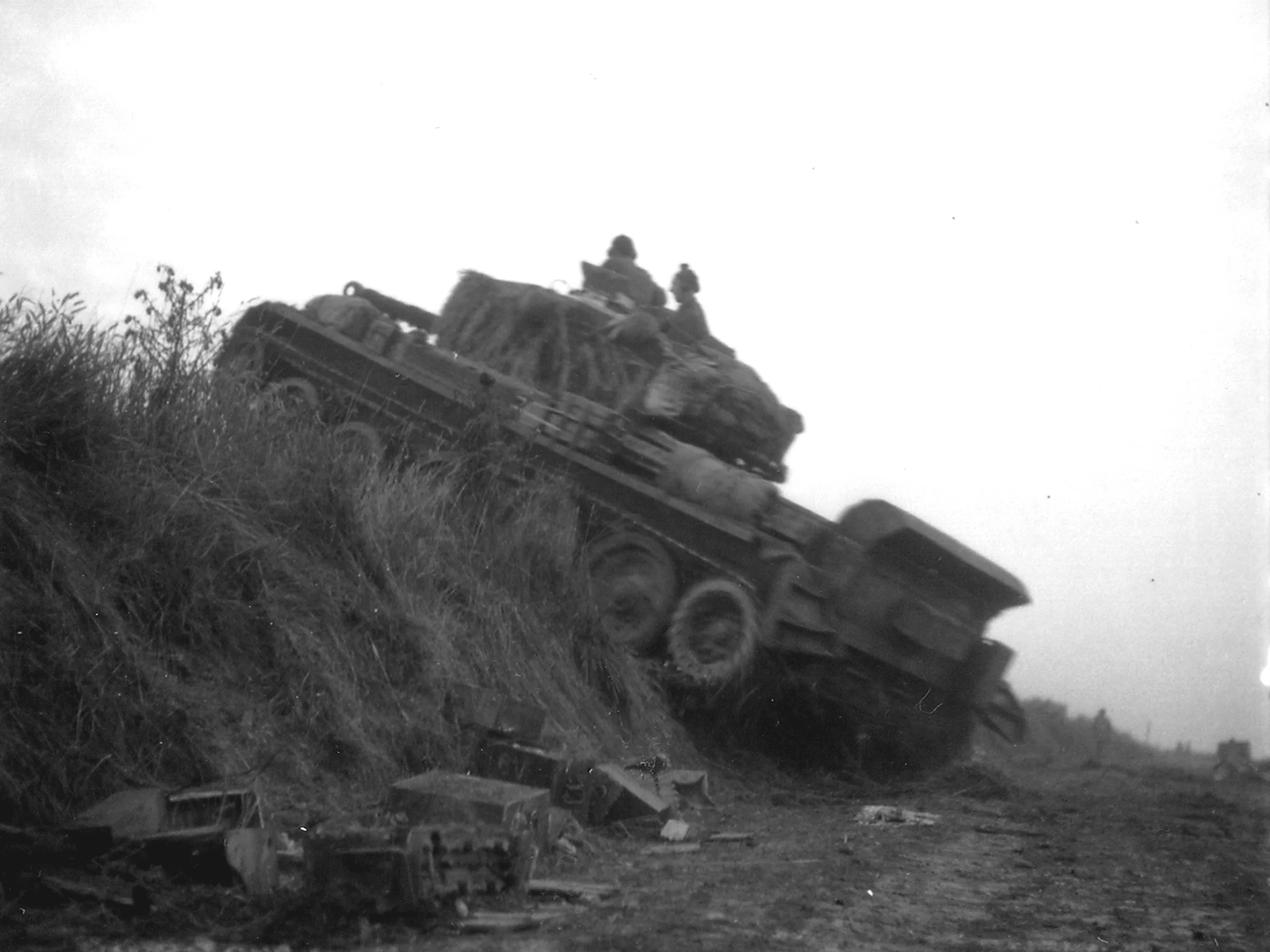
With the trap set, Simonds would use the overwhelming Allied material advantage in tanks, anti-tank guns, artillery and air power to decimate the German panzer reserves surging forth from the lairs south of Verrières to claw the ridge back and deliver their trapped brethren. Although the operation was in many ways a repeat of the Sir Arthur Currie’s magnificent victory at Hill 70 in 1917, many believed that If all went according to plan, Lt Gen Guy Simonds would have a victory that would be the “Vimy Ridge” of his generation. Of course, no operation of war ever goes according to plan.
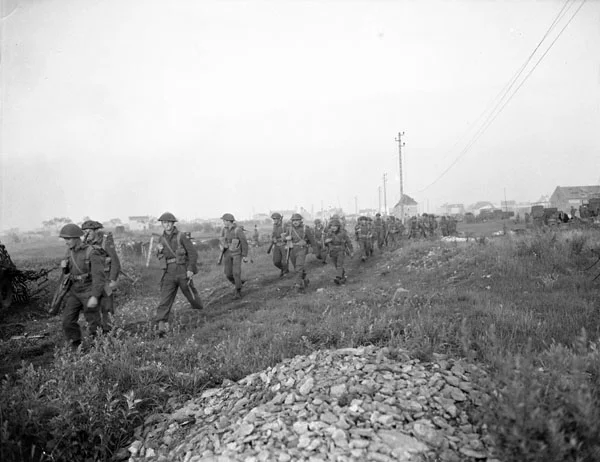
LAC/DND
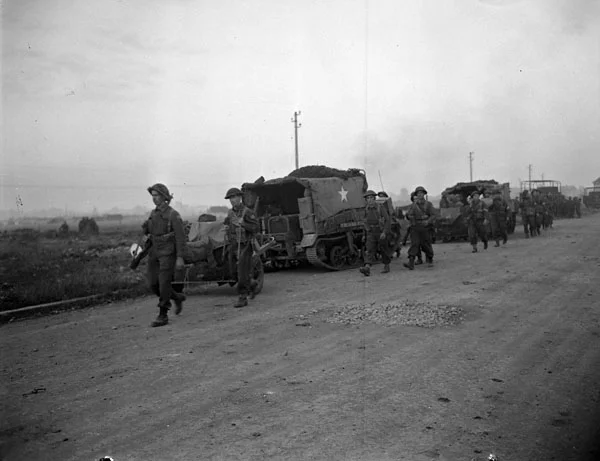
LAC/DND
Even before the operation began, it started to unravel. The Germans struck first launching a series of air raids in the dead of night to wreak havoc on command and control facilities that stirred up a thick fog of war. The artificial moonlight did not work as planned, and many of the battalions in initial assault wave suffered horribly moving up the ridge, silhouetted by the lights in the dead of night. By daybreak, when the main attack was supposed to go in to capture the crest and reverse slope of the ridge, the results before Simonds were dismal: only one of his six first phase objectives had been captured, and his plan had begun to collapse. Undaunted, the Corps Commander pressed home his attack in broad daylight. The was a combination of mutiny, massacre and heroism.
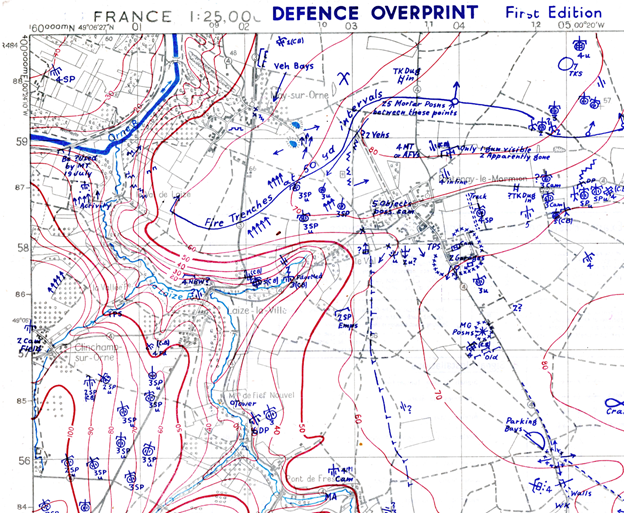
On the 3rd Canadian Division front, 9th Brigade units that had fought since D-Day balked at Simonds’s orders and the general relieved their commanders. In the 2nd Canadian Division, which had just arrived in the bridgehead, a massacre ensued as they dutifully followed his orders and paid the ultimate price in the face of the stiffest German resistance offered up during the entire Normandy campaign.
In the end, Simonds’s bid to capture the ridge cost over 1500 Allied casualties with close to 500 dead. July 25th became the second deadliest day for the Canadian Army after the bloody debacle at Dieppe two years earlier.